
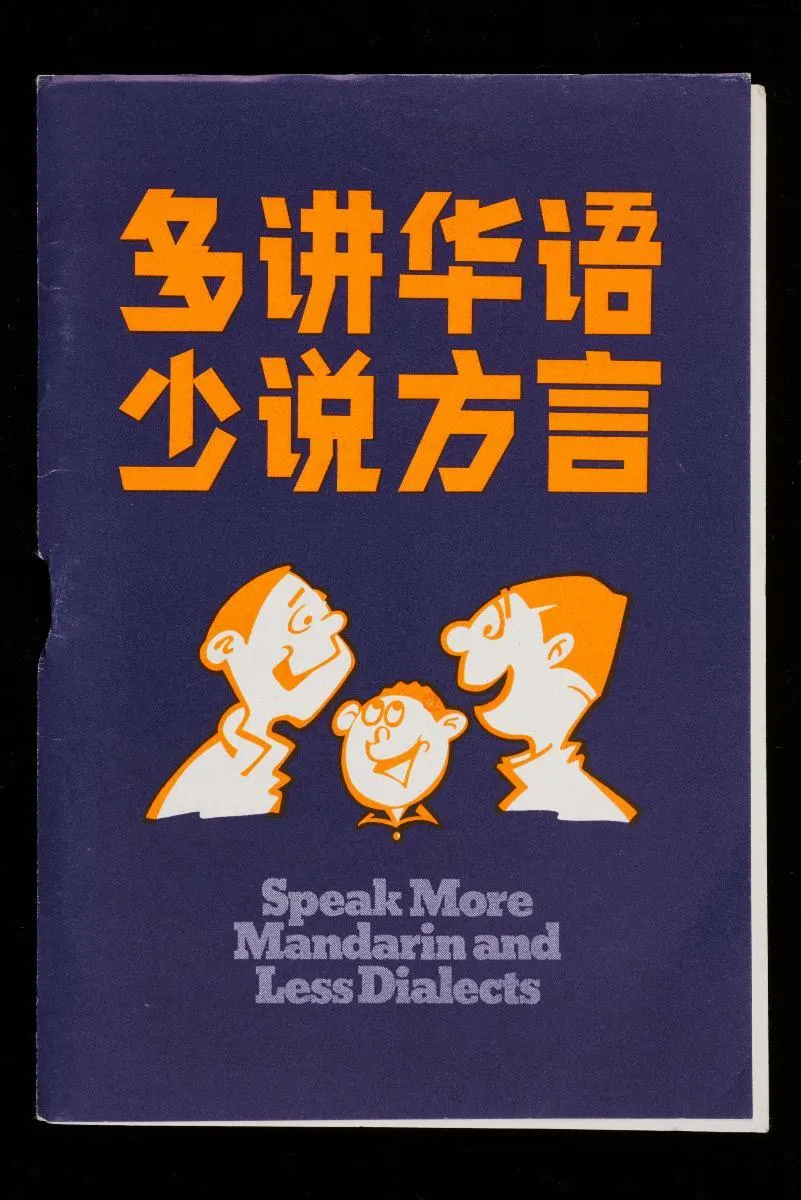
Language unification has bound the nation together but also threatened the survival of local voices.
A Policy of Unity
When the People’s Republic of China was founded in 1949, one of the new government’s priorities was linguistic unity. With hundreds of dialects and languages spoken across the country, communication between provinces was often fragmented. The promotion of Putonghua (standard Mandarin) became central to nation-building, intended to bridge divides and strengthen identity.
Today, Mandarin is the common tongue taught in schools, used in government, and broadcast nationwide. The policy has largely succeeded in fostering a shared national language, but it has also raised tensions about cultural preservation.
Dialects Under Pressure
Local dialects such as Shanghainese, Cantonese, Hokkien, and Hakka once thrived in daily life. Generations spoke them at home, on the streets, and in marketplaces. Yet in recent decades, these voices have been fading.
In Shanghai, schools discourage the use of the local dialect, and children often grow up speaking only Mandarin. Cantonese still enjoys popularity in Hong Kong and Guangdong media, but younger audiences are increasingly more fluent in Mandarin. Rural dialects fare even worse, with some predicted to vanish within a generation.
Cultural Identity at Stake
For many, dialects are more than linguistic tools; they are carriers of history and identity. Cantonese opera, Suzhou ballads, and Hokkien folk songs lose resonance when detached from their original dialects. Elders worry that cultural memory is being severed as children switch exclusively to Mandarin.
In Guangdong, grassroots campaigns have called for more Cantonese programming on local television. In Fujian, community groups organize dialect classes for young people. These movements highlight how deeply language is tied to belonging and cultural pride.
The Politics of Control
The language debate is not only cultural but political. Promoting Mandarin strengthens central authority by reducing regionalism and ensuring consistent communication. It reflects Beijing’s priority of unity over diversity, particularly in areas with strong local identities.
Critics argue that the erosion of dialects is part of a broader homogenization strategy, where linguistic diversity is treated as a challenge to state cohesion. Supporters counter that a national lingua franca is essential for modernization, mobility, and economic growth.
Everyday Consequences
For ordinary families, the tension plays out in small but meaningful ways. Parents may speak a dialect at home, while children reply in Mandarin. University students often find they cannot read dialect-specific scripts or literature. Intergenerational conversations become strained when dialects fade from younger tongues.
Yet Mandarin has also expanded opportunities. Migrants moving from inland provinces to coastal cities rely on it to integrate. Digital platforms, from WeChat to Douyin, amplify Mandarin as the default online voice. In this sense, the spread of Mandarin reflects not only policy but also practicality.
A Space for Coexistence?
Some scholars argue that China’s linguistic future does not need to be zero-sum. Policies could allow Mandarin to function as the unifying national language while protecting dialects as cultural heritage. Pilot projects in Guangdong and Jiangsu have introduced dialect lessons in schools alongside Mandarin, aiming for bilingual preservation.
Digital tools also offer hope. Apps, podcasts, and online archives are documenting dialects, ensuring that even if daily use declines, cultural memory endures.
Conclusion: Voices of a Nation
The rise of Mandarin has bound China together, enabling mobility, education, and national cohesion. Yet it has also come at the expense of linguistic diversity that once defined regional life. The story of Mandarin versus dialects is not just about language but about power, culture, and identity.
It serves as a reminder that modernization often comes with hidden costs. A language gained may also mean voices lost, and the challenge ahead is finding balance between unity and diversity in China’s evolving identity.

