
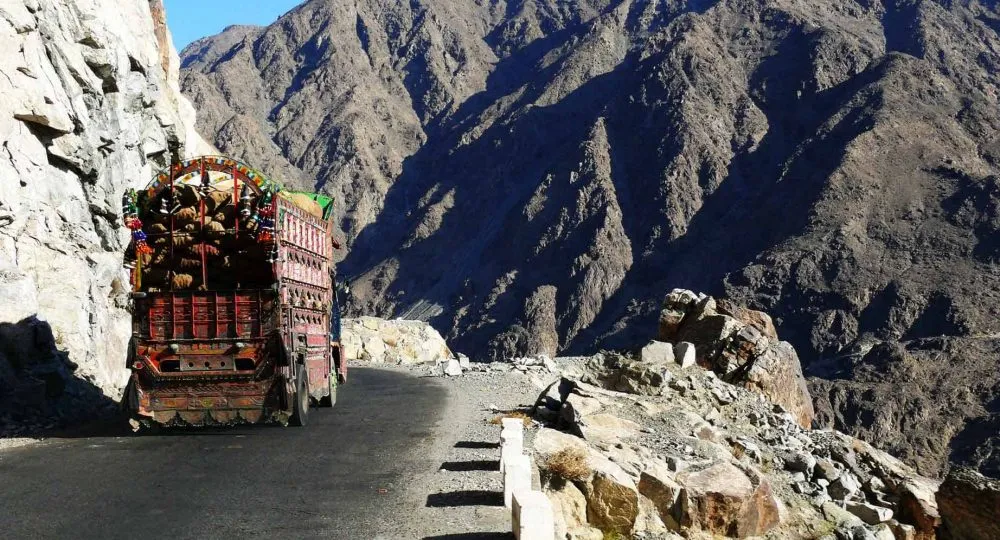
Long before China and Pakistan became modern nation states their lands were connected through the historic Silk Route, a vast network of trading paths that linked Asia, the Middle East and Europe. These ancient corridors carried more than silk and spices. They carried stories, ideas, knowledge and cultural influences that shaped the identities of both regions. Today the legacy of the Silk Route continues to influence regional cooperation and serves as a powerful reminder that China Pakistan friendship is rooted in centuries of interaction.
Archaeologists and historians point out that the territories of present day Pakistan played a key role as a gateway between Central Asia and South Asia. Caravans passed through what is now Gilgit Baltistan travelling between Kashgar and Taxila. These journeys enabled merchants, monks and scholars to exchange goods as well as philosophy, art and scientific knowledge. This long tradition of interconnectedness now forms the cultural foundation of modern China Pakistan diplomacy.
Taxila and Gandhara as centers of knowledge and exchange
One of the most significant intersections of the ancient Silk Route was Taxila, a renowned center of learning and a hub of the Gandhara civilization. Scholars from China travelled to this region centuries ago in search of Buddhist texts and teachings. Among the most well known visitors was the Chinese monk Xuanzang whose travels in the seventh century brought detailed descriptions of Gandhara’s culture, monasteries and knowledge traditions.
Xuanzang’s writings continue to be studied in both China and Pakistan. They offer insight into a period when scholars freely crossed borders in pursuit of wisdom. Chinese monks who visited Gandhara carried teachings back home and contributed to the spread of Buddhism across East Asia. Pakistan’s archaeological sites such as Dharmarajika, Takht i Bahi and the remains of ancient cities demonstrate the depth of this connection. These sites also attract Chinese tourists who come to trace the footsteps of early travelers.
Trade routes that carried culture, technology and belief systems
The Silk Route was not limited to spiritual exchange. It also promoted the movement of technology, craftsmanship and artistic styles. Chinese silk, ceramics and metalwork reached South Asian markets while Pakistani regions shared gemstones, textiles and agricultural goods with Chinese travelers. Artistic influences such as Gandharan sculpture styles, which combined Greco Roman and South Asian techniques, also made their way across borders and left an imprint on early Chinese Buddhist art.
These interactions created a shared cultural vocabulary that is still visible in historical artifacts. The influence of ancient trade is reflected in pottery designs, architectural styles and religious symbols found along the old Silk Route. For historians these connections demonstrate that China and Pakistan were part of an integrated cultural ecosystem long before modern diplomacy.
A historical foundation for today’s strategic cooperation
As China and Pakistan deepen their partnership under CPEC and other initiatives both countries often highlight the historic bonds shaped by the Silk Route. These references are more than symbolic. They underline the idea that connectivity and cooperation have always been part of their shared history. The ancient routes that once moved caravans now inspire highways, economic corridors and digital networks.
Modern China Pakistan diplomacy frequently draws upon Silk Route themes of mutual benefit, cultural respect and peaceful exchange. Many scholars argue that today’s connectivity projects are a continuation of an ancient tradition in which trade and knowledge flowed freely between regions. This historical understanding strengthens bilateral trust and provides a cultural framework for long term strategic planning.
Reviving heritage to strengthen future relations
In recent years both China and Pakistan have invested in preserving Silk Route heritage. Collaborative archaeological projects, museum exhibitions and cultural exchanges highlight the common history of the two regions. The restoration of Buddhist sites in Pakistan has drawn interest from Chinese institutions, creating new opportunities for tourism, education and people to people exchange.
Young Pakistanis studying Chinese language and culture often refer to the Silk Route as a symbol of deep friendship. Chinese visitors to Pakistan speak about the emotional experience of seeing Gandharan artifacts that reflect the origins of Buddhist heritage in China. These shared narratives contribute to a sense of historical continuity and reinforce the idea that the two countries are linked not only by modern agreements but by centuries of cultural dialogue.
History as a bridge to modern diplomacy
The ancient Silk Route shows that China Pakistan relations are rooted in far more than recent political cooperation. They are built on a long legacy of cultural exchange, intellectual dialogue and mutual curiosity that spans centuries. This historical context helps explain the strength of their modern partnership and provides a roadmap for deeper engagement in trade, culture and education.
As both nations continue to shape regional connectivity projects the story of the Silk Route serves as a reminder that their collaboration is part of a much older journey. The past does not merely inform the present it enriches it and provides a strong bridge toward a shared future.

