
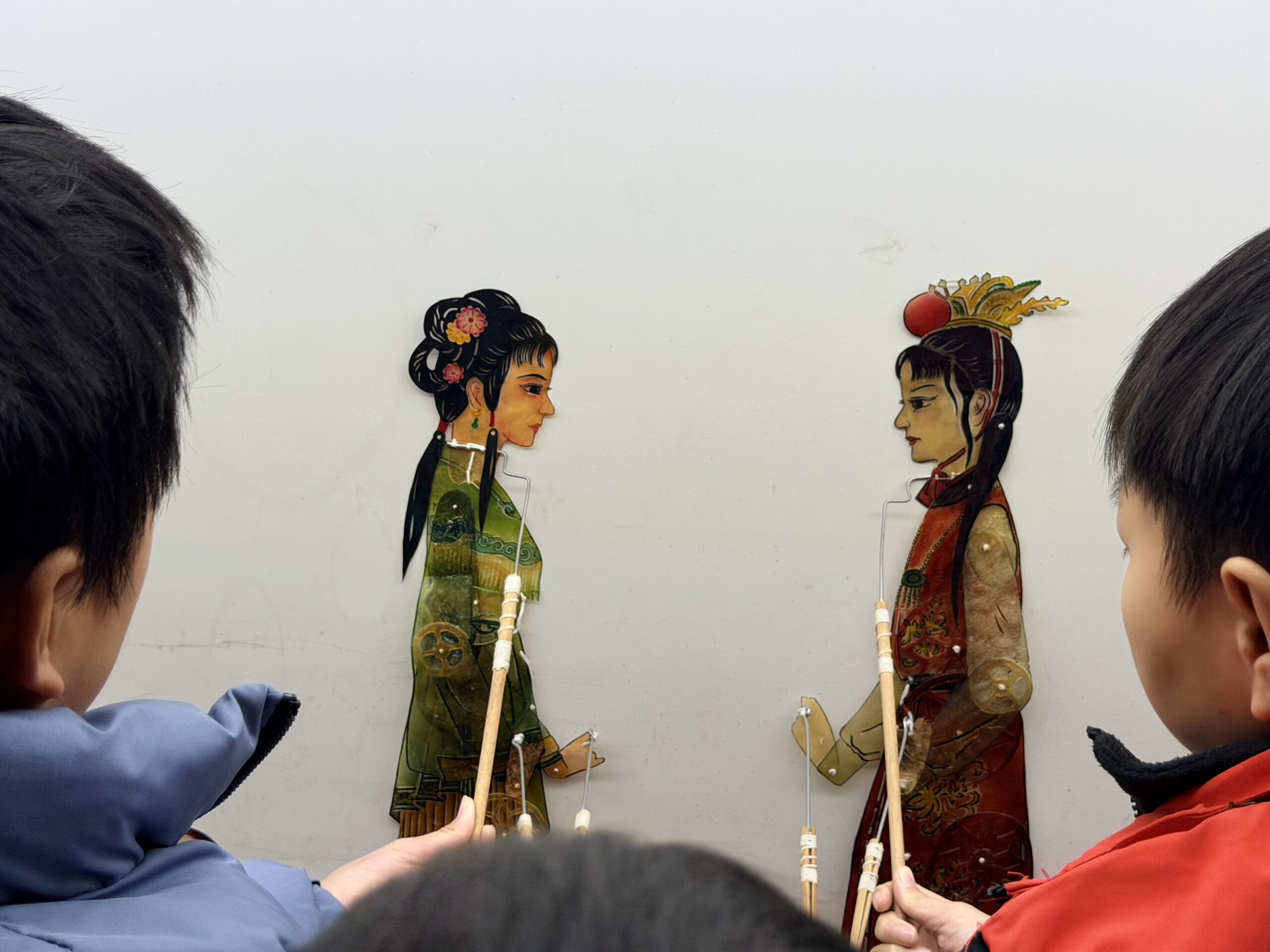
A new shadow puppet play inspired by one of the most memorable storylines in the classic Chinese novel Dream of the Red Mansion has premiered in Beijing, marking an early attempt to introduce the traditional art form in multiple languages. The production, titled When Baoyu and Daiyu Shared the Pages of the Western Chamber, presents a well-known moment from the novel through a creative blend of traditional puppetry and modern translation work.
The play has been developed in Chinese, English, and French, with the multilingual adaptations created in collaboration with Beijing Foreign Studies University. The initiative aims to broaden the reach of shadow puppetry and make the literary classic more accessible to audiences both in China and abroad.
Lin Zhonghua, who leads the shadow puppetry division at the China Folk Literature and Art Association, said recent developments in the field have shown how traditional art forms can evolve while maintaining their cultural roots. He noted that producing a multilingual version of a story from Dream of the Red Mansion fills a gap in shadow puppet repertory. Traditionally, the format has relied on folk tales or historical episodes, and adaptations of major classical novels have been rare. The new production, he said, offers fresh opportunities for international performances and cultural exchange.
Students and faculty members from Beijing Foreign Studies University also took part in the performance, presenting an English dubbed version of the play. Several participants shared that the process required overcoming difficulties in translation, tone adjustment and synchronization. They described the effort as both demanding and meaningful, saying it allowed them to engage closely with the story’s emotional depth and literary significance while also showcasing the flexibility of shadow puppetry as an expressive medium.
Cultural organizers hope the performance will help younger audiences connect with the novel in new ways. Yu Peili, deputy director of the Haidian District Cultural Development Promotion Center, said shadow puppetry has a unique ability to present complex stories through visually engaging techniques. She said introducing Dream of the Red Mansion through this medium may foster a renewed appreciation for the novel’s characters, themes and artistic value.
The premiere comes at a time when traditional Chinese art forms are receiving increased attention for their potential to reach global audiences. Multilingual versions of traditional performances have become an important tool in cultural exchange efforts, allowing international viewers to experience Chinese culture in closer, more accessible ways.
As the play begins its journey beyond Beijing, organizers hope its multilingual foundation will enable it to resonate with diverse audiences and encourage new interest in both shadow puppetry and classic Chinese literature. The project represents a blend of literary heritage, artistic innovation and cultural outreach that may inspire future adaptations of traditional works.

