
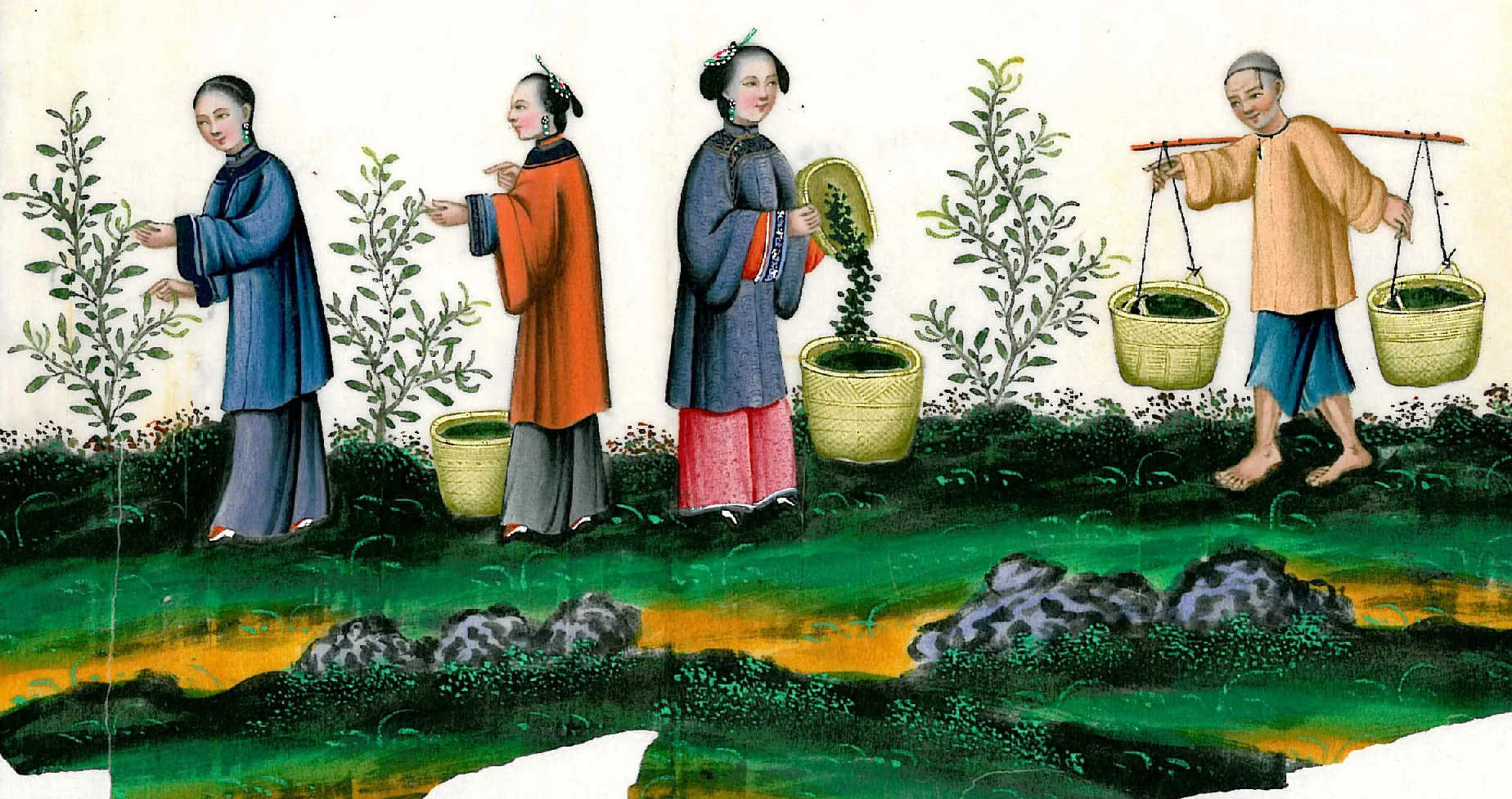
The story of China’s imperial past is often told through emperors, generals, and major events, but archived documents reveal a different perspective. Hidden within old manuscripts, household registers, market records, and village agreements are rich details about the routines of ordinary people. These records show how families lived, worked, and interacted in a world shaped by tradition, seasonal cycles, and social structure. Rediscovering these everyday experiences helps us understand how common people contributed to the stability and cultural richness of imperial China. Through these archives, the past becomes more personal and relatable.
Family structure and social responsibilities
Ancient household registers provide valuable insights into family life. These records list family members, their ages and the responsibilities assigned to each person. Families were closely connected, and generations often lived under one roof. Elders guided younger members while children learned skills from parents and relatives. Social duties were clearly defined, with each member contributing to household survival. Women managed essential tasks such as cooking, weaving and caring for children, while men handled farming, trade or official duties. Understanding these roles highlights how families operated as well coordinated units in daily life.
Work patterns shaped by seasons and local needs
Work routines in imperial China depended heavily on geography and climate. Farmers woke early to cultivate fields, plant crops and maintain irrigation systems. Market workers prepared stalls before sunrise to sell vegetables, fish, herbs and handmade items. Craftsmen such as potters, carpenters and blacksmiths followed structured schedules to meet village needs. Seasonal festivals and agricultural cycles influenced when people worked and when they rested. Records from rural and urban areas show that communities planned their activities around weather patterns, harvest periods and trade opportunities. These patterns reveal how ordinary people adapted their lives to the natural rhythm of the land.
Food habits and local markets
Ancient market records help reconstruct the food culture of imperial China. Vendors sold rice, millet, noodles and vegetables that varied from region to region. Fish and preserved meats were common in coastal areas, while inland communities relied more on grains and vegetables. Tea houses served as social spaces where people gathered to talk, rest and exchange news. Food preparation was often a family activity, with ingredients sourced from gardens, farms or traveling merchants. These details illustrate how food was connected not only to survival but also to community bonding and cultural tradition.
Education and the pursuit of knowledge
Archives also reveal the importance of education in imperial Chinese society. Even families with limited resources encouraged children to learn basic reading and writing. Village schools offered instruction in classics, moral conduct and practical knowledge. For many, education provided an opportunity to improve their social position through government examinations. Although only a small number succeeded in becoming scholars or officials, the dream of advancement motivated countless families. These educational traditions shaped the values of discipline, learning and respect for knowledge that continue to influence Chinese society today.
Festivals, rituals and community life
Festivals played an important role in bringing communities together. Documents describing local customs show how people celebrated the Lunar New Year, Mid Autumn Festival and various harvest traditions. Villagers prepared special foods, decorated homes and performed rituals to honor ancestors and deities. These occasions strengthened family bonds and reinforced cultural identity. Theater performances, storytelling and folk dances added joy and entertainment to daily life. Such celebrations reveal how people balanced hard work with moments of collective happiness and spiritual reflection.
Why understanding ordinary life matters
Studying the daily life of ordinary people provides a fuller and more meaningful picture of China’s imperial history. These archived records remind us that history is shaped not only by rulers and major events but also by the millions of individuals who maintained families, built communities and preserved traditions. Their routines, challenges and achievements reflect the true foundation of society. By exploring their stories, historians gain a deeper appreciation for the resilience and creativity of everyday life. This understanding strengthens cultural heritage and connects modern readers to the human experiences of the past.

