
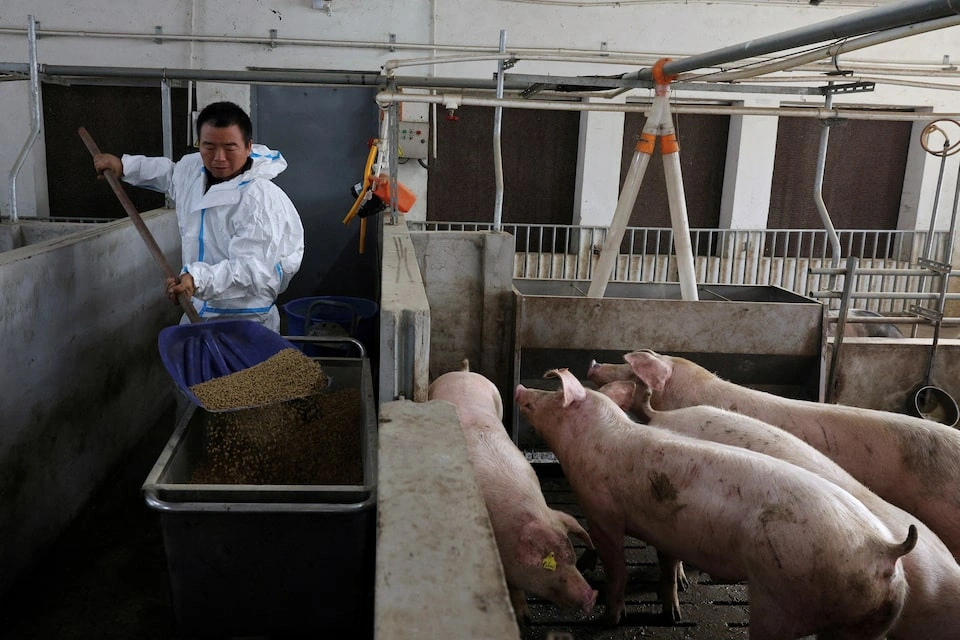
China is introducing new feed strategies for its pig farming industry as part of a broader effort to reduce dependence on US soy imports. Authorities and agricultural planners are encouraging alternative feed ingredients to replace traditional soybean based diets, reflecting a shift aimed at strengthening domestic supply chains and improving food security.
The move comes as China looks to diversify its agricultural inputs amid changing global trade dynamics. Soybeans have long been a critical component of animal feed, particularly for pigs, but reliance on imports has exposed the sector to external risks such as price fluctuations and geopolitical tensions. By promoting locally sourced or alternative feed materials, officials aim to reduce vulnerability and create a more resilient farming system.
Farmers are being encouraged to adopt new feed formulas that include a mix of grains, oilseed substitutes, and other protein sources. Advances in agricultural science have made it possible to maintain livestock growth and productivity while using less soybean content. This transition is supported by research and pilot programs designed to ensure that animal health and output levels remain stable during the shift.
The strategy is also linked to broader efforts to modernize China’s agricultural sector, including improving efficiency and reducing costs. By lowering reliance on imported feed, producers may gain greater control over production expenses and reduce exposure to global market volatility. Analysts note that such changes could have ripple effects on global soybean demand and international agricultural trade.
As the transition continues, the pig farming industry is expected to adapt gradually, with authorities monitoring outcomes and refining policies as needed. The shift highlights China’s focus on long term sustainability and supply chain security within its food production system, particularly in key sectors like pork that play a central role in domestic consumption.

