
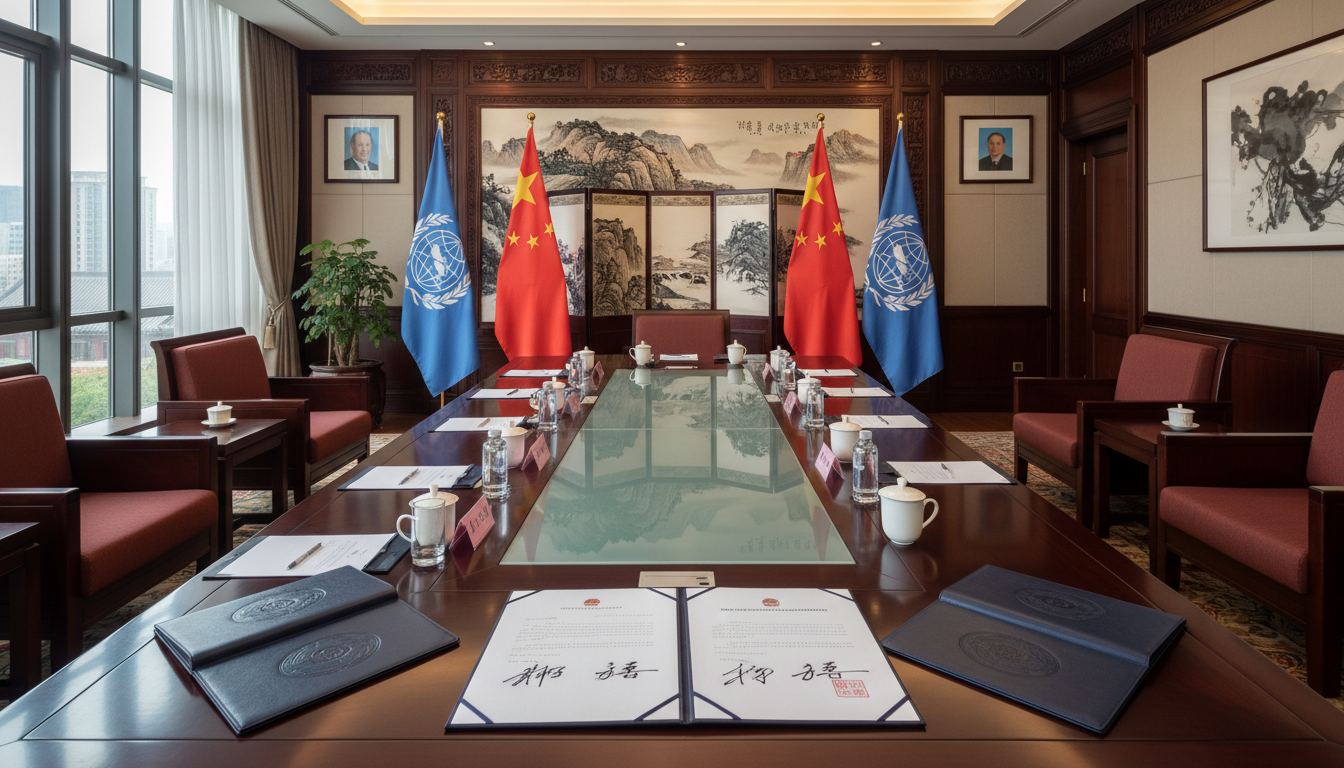
Zardari’s Strategic Agenda in China
President Asif Ali Zardari concluded his China visit as official briefings focused on immediate deliverables rather than ceremony. Today, Islamabad and Beijing framed the tour around economic coordination, security contacts, and support for ongoing connectivity projects, with statements carried by Dawn. In the middle of the delegation schedule, the China-Pakistan agreements were presented by Pakistani officials as practical instruments for ministries to implement, not political slogans. The presidency said the agenda prioritised investment facilitation and protection for personnel and projects tied to bilateral cooperation. Live remarks from aides emphasised predictable timelines for follow up meetings and document finalisation. An Update from the diplomatic team said working groups would report progress through established channels.
Key Agreements Signed During Visit
Officials described several signed and initialled documents, while keeping emphasis on implementation steps and interagency coordination. Dawn reported that the visit ended with new agreements and understandings covering cooperation areas discussed during the meetings. Midway through the coverage, a related China Crunch brief, Beijing Backs Havana as US Sanctions Tighten, illustrated how Beijing is simultaneously managing multiple diplomatic tracks as Pakistan pursued its own package. Live coverage also tracked how diplomacy and commerce intersect, with trade agreements repeatedly cited in briefings as a priority for follow up. Today, officials issued an Update that technical teams will circulate minutes and compliance checklists, and for wider regional context, an external reference on security pressure points, US Bessent urges China to help open Strait of Hormuz, shows how maritime stability remains on agendas.
Implications for China-Pakistan Relations
Pakistan’s foreign policy team presented the outcomes as reinforcement of Sino-Pakistani diplomacy, arguing that routine high level engagement is being converted into enforceable tasks for economic and security agencies. In the middle of those readouts, the China-Pakistan agreements were framed as a way to reduce delays by clarifying responsibilities between federal ministries and implementing bodies. Live briefings highlighted how the two sides want predictable dispute handling for commercial partners and clearer coordination on project logistics. For additional context on recent official travel and planning, Shehbaz Sharif heads to China for June 4 visit outlines how Islamabad has been pacing successive engagements with Beijing. A separate Update from Pakistan officials noted that the next phase is less about signing ceremonies and more about monitoring delivery milestones through scheduled review sessions. Today, diplomats stressed that continuity is the signal both capitals want investors and bureaucracies to read.
Regional Impact of New Agreements
Regional security was referenced as a practical consideration rather than a rhetorical flourish, particularly around safeguarding people, transport corridors, and commercial flows. In the middle of the discussion, Pakistani officials linked the visit’s deliverables to stabilising expectations for traders and contractors, noting that clear procedures can help reduce friction points that spill across borders. Live diplomatic messaging also tied economic cooperation to broader confidence building, while avoiding detailed operational disclosures in public briefings. An Update from the Pakistan side said coordination will continue through diplomatic and security channels already in place, rather than creating parallel structures. Today, analysts in Pakistan media framed the trip as a signal of continuity in Beijing’s engagement with Islamabad, while cautioning that regional conditions will test implementation capacity. Official statements kept focus on management of risks and timely execution of agreed steps.
Future Prospects and Continued Collaboration
The closing messaging from both sides emphasised follow through, with officials signalling that the next weeks will be judged by paperwork completion, sequencing of meetings, and delivery of early wins. In the middle of that forward looking plan, the China-Pakistan agreements were described by Pakistani officials as a starting point for new rounds of technical engagement, especially where trade facilitation and project security overlap. Live tracking of the post visit schedule will likely focus on when working groups meet and how quickly outstanding annexes are cleared. An Update from Islamabad indicated that ministries will compile implementation notes and share them through diplomatic channels to avoid mixed signals to businesses. Today, the presidency framed the outcome as continuity plus measurable steps, while urging institutions to keep timelines realistic and transparent. The trip ended with commitments to keep contact active and to review progress in structured sessions.

