
China’s Position on US-Iran Standoff
China used a major international summit to press for de-escalation in the Gulf and framed stability as a shared interest for energy importers and exporters alike. In comments carried by Dawn, Foreign Minister Wang Yi called for US-Iran dialogue and urged a swift reopening of key shipping lanes, linking diplomacy to economic shock prevention. Today, Beijing positioned itself as a mediator that prefers negotiated outcomes over coercive measures, while also signaling it will defend predictable trade flows. Live diplomatic engagement was presented as the most practical tool to lower risk, rather than punitive cycles that harden positions. The message aligned with Chinese foreign policy that emphasizes sovereignty, restraint, and crisis management through talks.
Strategic Importance of the Strait of Hormuz
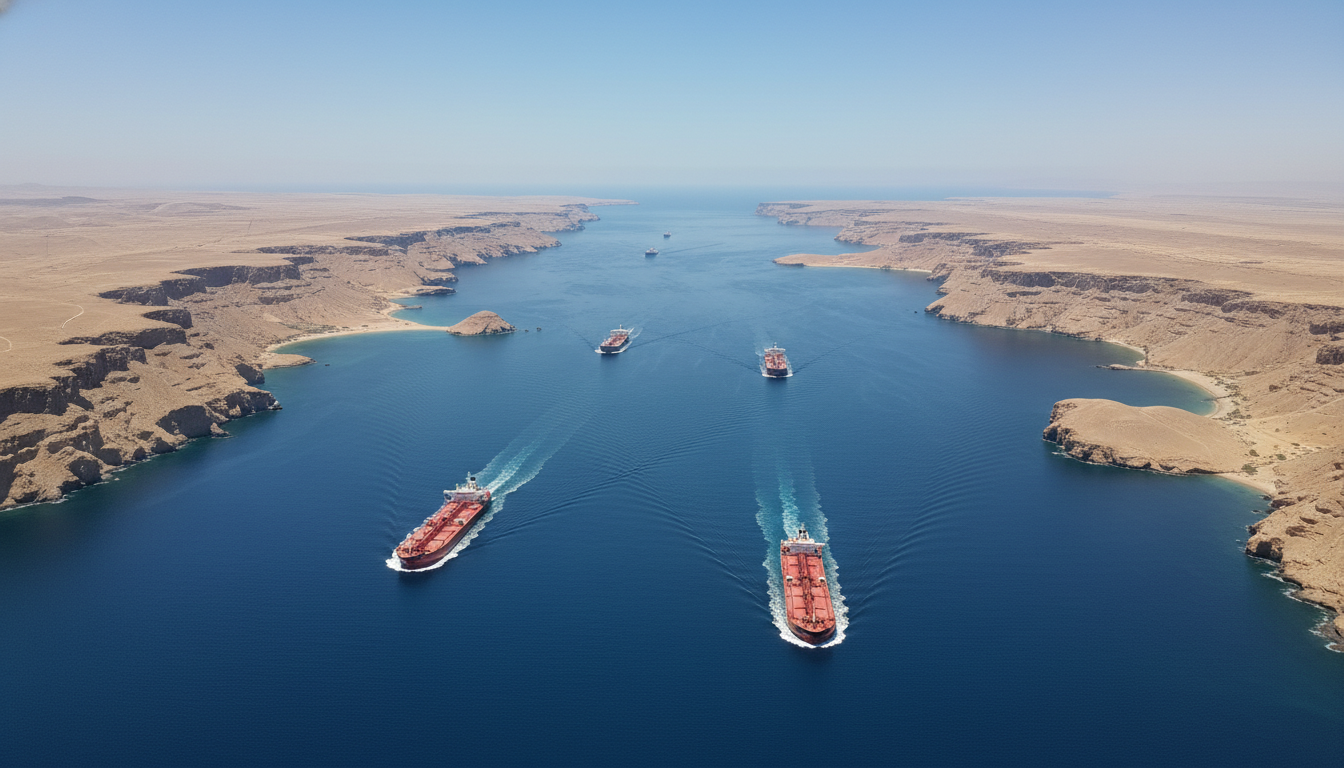
The Strait of Hormuz remains the narrow maritime chokepoint that quickly turns political friction into shipping disruption, insurance spikes, and rerouted cargoes. In the same Dawn account, Wang argued that rapid restoration of safe passage is essential, and an Update on maritime conditions can change price expectations within hours. For readers tracking summit dynamics, the broader context of great power signaling is captured in Xi-Trump summit signals next phase in ties now, which shows how leaders tie security language to trade confidence. Live market sensitivity is amplified when navies adjust patrol patterns and shipping firms revise schedules. Today, China presented the chokepoint as a global commons problem that demands coordination, not unilateral escalation.
Impact on Global Trade and Security
Shipping and energy markets treat Gulf tension as an immediate risk premium, and that premium feeds into freight, petrochemicals, and industrial costs across Asia and Europe. Analysts watching an Update on crude benchmarks also track refinery margins and short-term fuel availability, because even small delays can ripple through supply chains. The energy angle has been highlighted recently in Oil Jumps as China Eyes US Supplies, Price Signal, which connects price moves to shifting procurement decisions. Live security alerts, whether official or commercial, also affect crew safety protocols and port planning. Today, China argued that keeping the Strait of Hormuz open reduces incentives for miscalculation and limits the space for spoilers.
International Response and Implications
Other delegations at the summit treated the Gulf as a test of international diplomacy, balancing deterrence with open channels to prevent a slide into wider conflict. Beijing emphasized that US-Iran dialogue should be insulated from tactical incidents and kept at a political level where compromises can be packaged credibly. Live coordination among maritime authorities, including guidance to commercial vessels, was cited as a practical way to stabilize expectations while talks proceed. For a wider lens on how Chinese foreign policy frames Gulf access and risk, the South China Morning Post has described related governance challenges in other sectors in Hong Kong in ride hailing licences and demand pressures, illustrating how regulatory capacity shapes outcomes. Today, summit language signaled that escalation would carry economic and political costs for multiple capitals.
Future Prospects for US-Iran Relations
The near-term trajectory depends on whether channels stay open after the summit, and whether both sides can define concrete steps that reduce risk at sea while preserving domestic narratives. China’s call for US-Iran dialogue was framed as a process issue, prioritize contact, clarify red lines, and avoid moves that force immediate retaliation. An Update from diplomats involved will likely focus on sequencing, such as confidence-building measures tied to maritime safety and communications between militaries. Live expectations are modest, but the summit showed that major energy consumers are pressing for stability because market shocks can quickly translate into inflation and political pressure. Today, Beijing’s approach positions it to argue for further talks if the chokepoint remains a flashpoint.

