
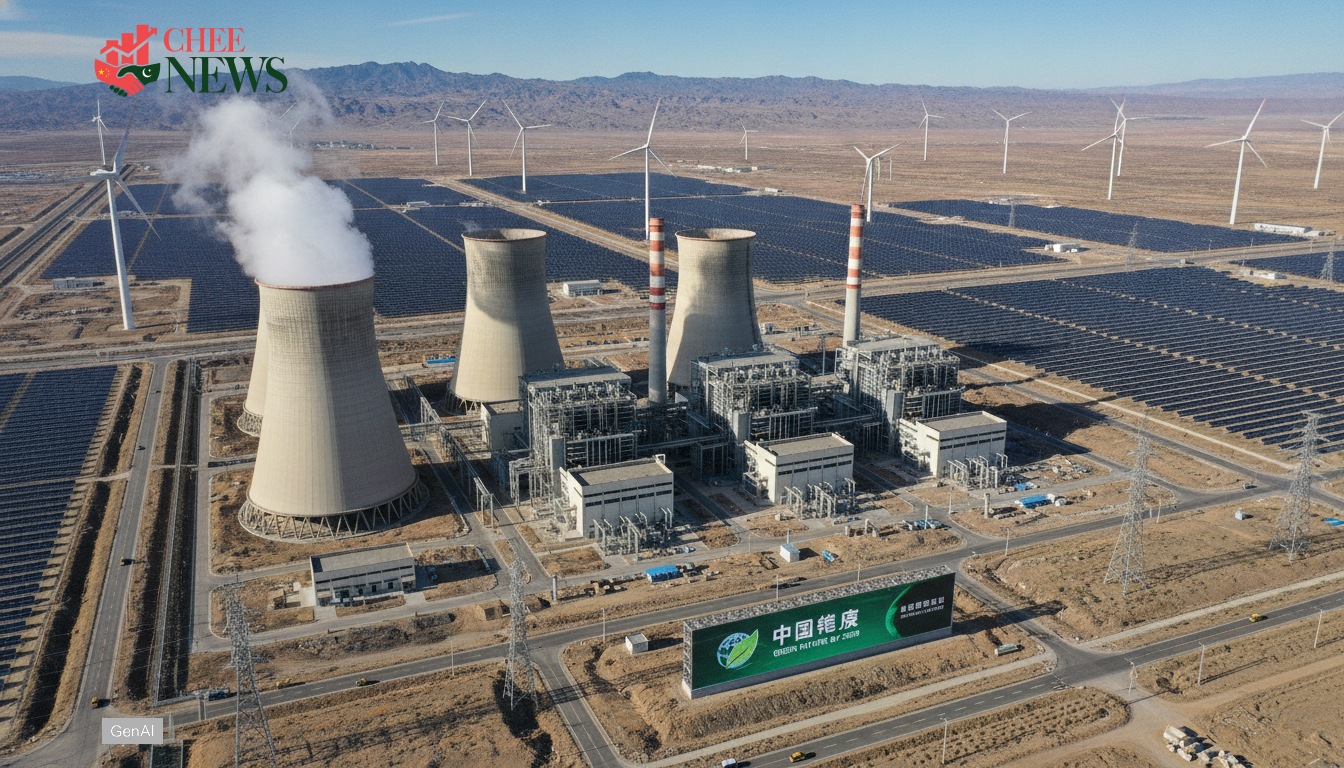
China’s non-fossil energy target for 2030
China is sharpening its power sector goals around non-fossil energy as policymakers push for a faster shift in the generation mix. As suggested by Reuters, officials are aiming for about half of electricity production from non-fossil energy sources by 2030, covering hydro, wind, solar and nuclear. The target frames decisions on grid investment, permitting and dispatch rules that determine which plants run and how often. Analysts and utilities are watching for operational details, because the headline share depends on hourly balancing, not just added capacity.
Implementation will hinge on provincial execution, since local governments approve many projects and manage land, transmission corridors and industrial power demand. In provinces such as Inner Mongolia and Gansu, which host large wind and solar bases, the coming years will also test whether reforms can align system operations with the non-fossil energy push while keeping reliability intact during peaks.
Where China stands on non-fossil energy today
China still relies heavily on coal for power system stability, particularly during seasonal peaks and drought periods that limit hydropower. According to available reports, the policy balancing act involves Beijing expanding clean generation while keeping enough thermal capacity available to avoid shortages. That tension is visible in grid operations, where curtailment and congestion can prevent renewable plants from delivering power even after they are built.
In parallel sectors, electrification is increasing load and making planning harder; coverage of China electric vehicles boom lifts sales, strains grids shows how transport demand can interact with network constraints, and planners are increasingly focused on flexibility resources. Including pumped storage and demand response, these tools can reduce the need for constant coal output and support higher non-fossil energy penetration.
Projects and grids needed to scale non-fossil energy
Project approvals and transmission buildouts are being aligned with the 2030 goals, particularly where wind and solar resources are far from coastal load centers. State Grid and China Southern Power Grid have emphasized long distance ultra high voltage lines in public statements, aimed at moving renewable electricity across provinces and lowering bottlenecks. Developers also track connection timelines and curtailment risk because these factors determine how much non-fossil energy actually reaches end users.
The policy push is also forcing a closer look at fuel tradeoffs in the legacy system; market observers tracking China refined fuel exports: July quota increase note how energy flows and pricing signals can shift as electrification grows, while supply chain questions matter too, including minerals used in magnets, batteries and power electronics. See Chinese smuggling allegations in Japan rare earth case for regional sensitivities tied to rare earths that can affect procurement and timelines.
Reliability hurdles for 50% non-fossil energy
Hitting a 50% share on an annual basis will require more than adding turbines and panels, because the system must meet demand during wind lulls, cloudy periods and heatwaves. As noted by available reports, execution will depend on how China manages reliability while scaling clean generation, which puts pressure on storage build rates and market reforms that reward flexibility. Improving forecasting, upgrading interprovincial trading and expanding ancillary service markets can reduce curtailment and lift the effective contribution of non-fossil energy resources.
At the same time, a clearer pathway for non-fossil energy can steer capital toward modern grids, advanced inverters and industrial electrification that lowers local pollution. In cities such as Shanghai and Shenzhen, the near term opportunity is to improve dispatch rules so that clean units run when available without compromising stability.
What China’s non-fossil energy shift means globally
China’s timetable matters globally because its equipment demand, commodity imports and policy signals influence project economics in many markets. Reuters has framed the 2030 target as a marker investors will use to gauge how quickly China can shift system operations, and that affects pricing for solar modules, wind components and grid hardware. A faster buildout can also tighten competition in clean tech exports, while increasing demand for critical minerals and engineering services that support non-fossil energy expansion.
For broader regional context on commodity sensitivity, the South China Morning Post has examined sanctions and waivers affecting oil availability in Asia in Asia treads cautiously on Iranian oil exports despite US sanctions waiver, and the next phase will be judged by measurable delivery, not announcements. Dispatch outcomes will reveal how deeply the non-fossil energy transition is embedded.

