
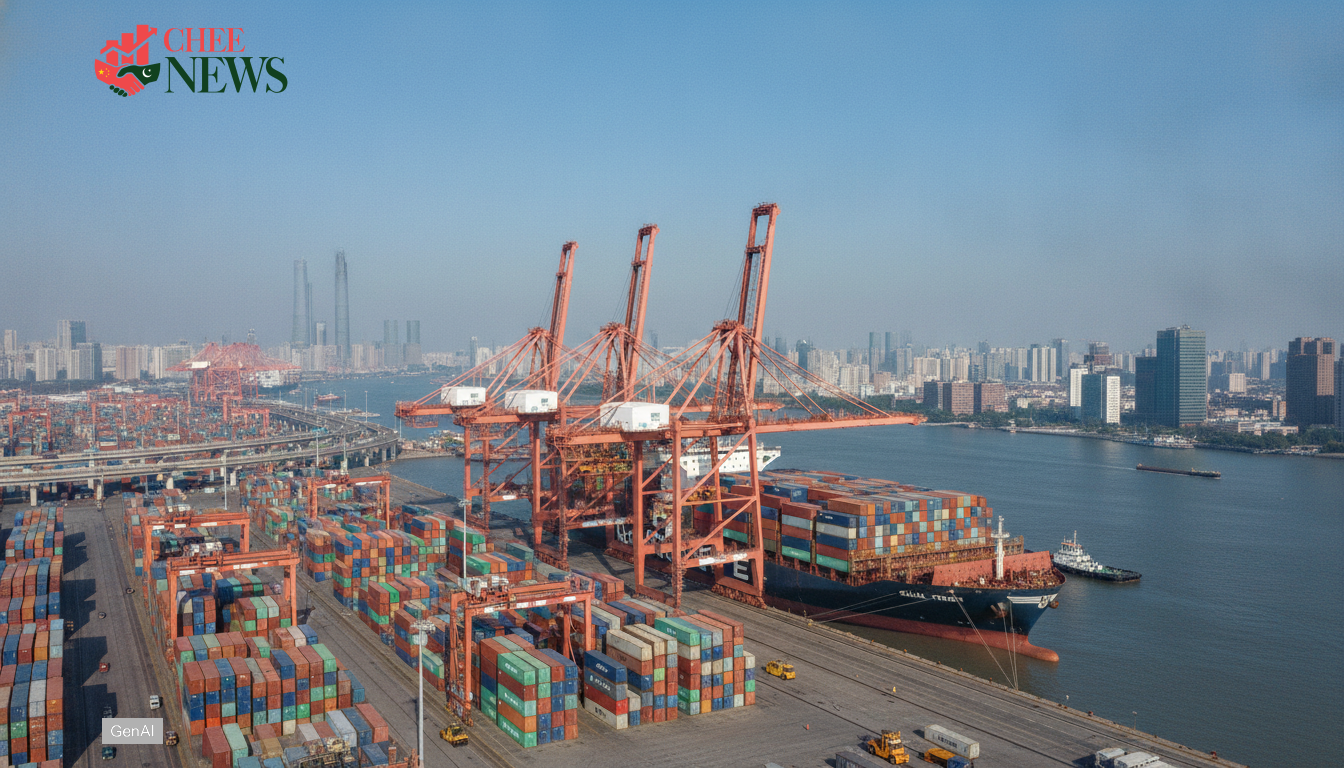
China’s economy shows June pickup in key indicators
In June 2024, incoming data and market commentary were widely interpreted as pointing to a firmer activity tone across several investor-watched indicators, including trade momentum and factory-linked demand, though the strength of the shift depended on which series investors emphasized. In that discussion, China’s economy was increasingly described as getting short-term lift from external orders, steadier industrial throughput, and somewhat better business-survey sentiment versus prior months, as indicated by market commentary rather than any single definitive release. At the same time, market participants often described domestic demand as uneven, with households cautious and services activity not always matching the pace implied by export-linked gauges. The near-term focus is whether external demand can keep inventories moving, support cash flow for exporters, and translate into sustained production schedules. According to available reports, investors are seeking confirmation in official releases, port throughput updates, and corporate earnings guidance.
U.S. export rebound lifts orders for Chinese manufacturers
Some market commentary suggested that a June rebound in U.S.-linked export demand helped stabilize order pipelines for manufacturers tied into global supply chains, supporting near-term production planning and logistics demand, though the magnitude can vary by sector and timing. That trade pulse can show up in shipping volumes, port activity, and freight pricing, and it can influence how markets interpret month-to-month swings in industrial output, and for additional context on regional trade read-throughs, see China Export Growth: AI Demand Boosts Hong Kong Exports. For China’s economy, a trade-led boost can look strong in high-frequency indicators while still leaving internal consumption mixed. Even with a better June tone, desks cautioned that the durability of the signal depends on restocking cycles, the path of tariff policy, and how quickly buyers normalize lead times.
Analysts track whether China’s economy is shifting to export-led growth
Strategists interviewed by CNBC emphasized that a market-relevant question is the composition of growth, with exports doing more of the work than consumption, at least in the latest monthly window, as they characterized it. In that framing, the outlook for China’s economy is often evaluated less through headline GDP debates and more through the consistency of new orders, utilization rates, and production schedules across export-exposed sectors, and for a policy and sector-competition angle, see Chinese Automotive Market Strategy: Canada as US Testbed. They also noted that a rebound driven by trade can coincide with softer household confidence, meaning services and discretionary categories can lag even as factories run busier. Market participants are therefore parsing company results and guidance for signs that margin pressure is easing and that pricing competition is stabilizing, although these signals can be mixed across industries. Currency stability and credit conditions remain important cross-checks for the trajectory of domestic growth.
Constraints still weigh on China’s economy despite better trade tone
Even if export-linked momentum improves, several constraints remain central to the outlook, including property stress and subdued household sentiment that can cap domestic demand, as frequently cited in investor commentary. Market participants noted that while firmer external orders can help factories run at healthier utilization rates, they do not directly resolve balance-sheet pressure tied to real estate and local-government financing channels, a theme still discussed in 2024 policy meetings in Beijing. For another trade-related policy signal that markets watch, see China fuel export quotas rise in July, shaking markets, and firms exposed to discretionary spending still face cautious consumers, and intensified price competition can compress margins even when volumes rise. Policymakers also have to balance targeted support with longer-term deleveraging goals, which can limit the size and speed of broad credit stimulus. The result is a recovery profile that can look uneven across provinces, income groups, and sectors.
What to watch next for China’s economy and trade relations
Near-term prospects will hinge on whether the June order rebound persists into the next reporting cycle and shows up in hard trade prints rather than sentiment alone. Some analysts argued that a sustained external impulse could stabilize hiring and supplier networks, particularly for manufacturers serving U.S. demand, but trade relations remain exposed to regulatory shifts and national security scrutiny that can affect technology-linked shipments. Businesses are responding by diversifying end markets, tightening compliance processes, and building more resilient procurement and inventory policies, according to common industry commentary, including for 2024 planning cycles. Investors will also monitor logistics costs, shipping capacity, and delivery times because these can amplify or soften the signal coming from new orders. Over the next few months of 2024, a key test will be whether external demand strength can coexist with a gradual repair in domestic confidence, turning a trade-led pickup into a broader, more balanced expansion.

