
China-Pakistan Economic Corridor: Infrastructure Progress
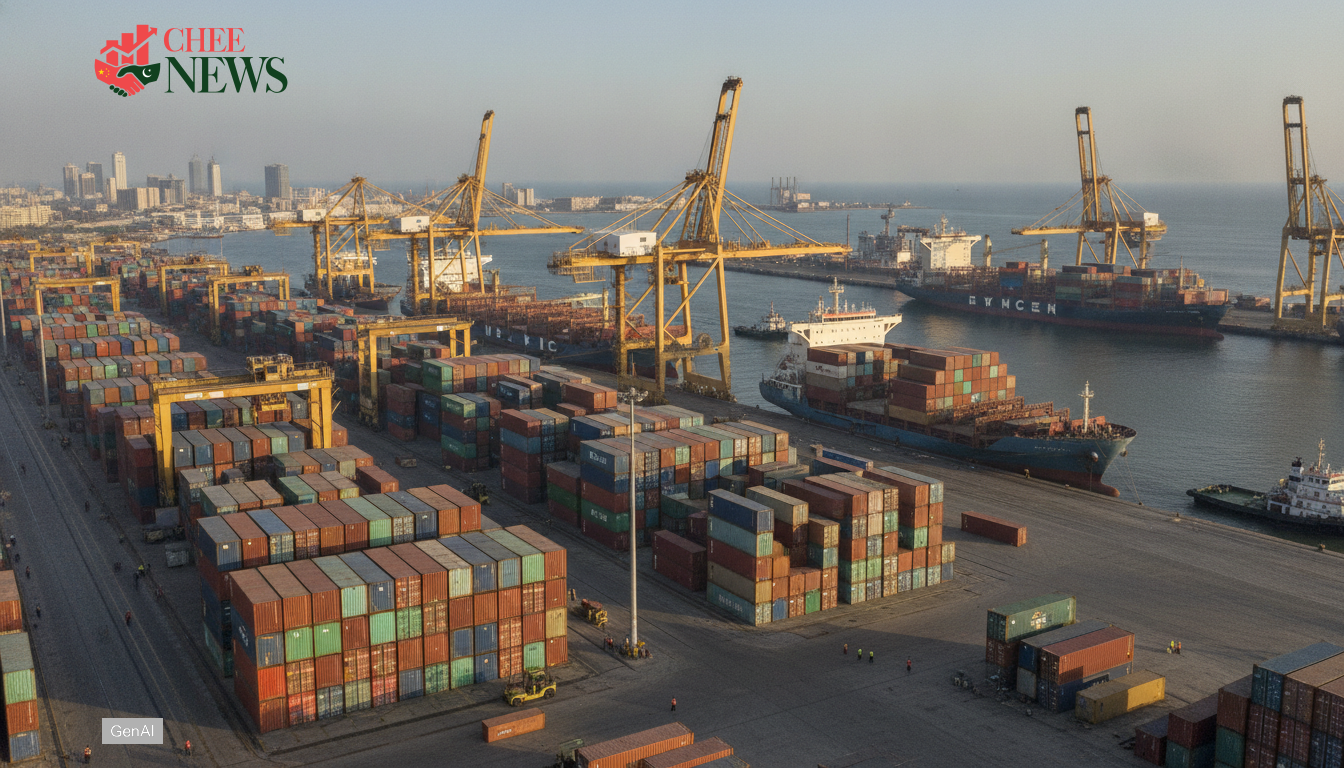
The China-Pakistan Economic Corridor is described by Pakistani planners as shifting from planning to implementation across road, port and power-link upgrades intended to support domestic and regional trade. Pakistan’s planning agencies say corridor timelines depend on synchronized upgrades that connect Gwadar, industrial zones and inland markets. The Ministry of Planning, Development and Special Initiatives has repeatedly framed road connectivity and industrial cooperation as core priorities for corridor coordination, and in the China-Pakistan Economic Corridor context officials have also presented energy and transport links as interdependent, so that industrial sites can operate with more predictable inputs and dispatch. If executed as intended, this approach could reduce transit uncertainty for manufacturers and exporters and help limit avoidable logistics delays.
China-Pakistan Economic Corridor: Economic Effects
According to available reports, officials and analysts increasingly emphasize cost relief and competitiveness, particularly where logistics and power reliability affect exporter pricing, though impacts vary by sector and project readiness. Midstream indicators tied to corridor performance are typically discussed in terms of freight efficiency, industrial utilization and on-time delivery capacity, rather than a single headline metric, and for context on how external supply chain and policy shifts can affect equipment choices, see US weighs ban on Chinese inverters as industry warns. Pakistan’s import bill is widely reported to be sensitive to fuel and machinery cycles, so fewer delays and steadier power, where achieved, can potentially ease working-capital pressure and improve delivery reliability for contracts linked to corridor-linked production.
Chinese Investment and Financing in the Corridor
Capital formation is being evaluated project by project, with government statements often emphasizing operating performance over announcements. In the broader CPEC pipeline, Chinese financing is frequently described by officials as an important catalyst for power generation additions, industrial park build-out and port-side services that aim to translate infrastructure into sustained commercial activity; a detailed view of deal momentum is covered in Chinese investment in Pakistan: energy deals accelerate, which connects financing structures to execution pacing. Fiscal managers have repeatedly stressed the need to align new capacity with payment discipline, warning that circular-debt pressures can offset potential gains, and for sector-specific trade spillovers, see China-Pakistan Economic Corridor reshapes car trade.
China-Pakistan Economic Corridor: Risks and Bottlenecks
Execution risks are reportedly highlighted by officials and market observers because financing costs, import dependence and local bottlenecks can weaken project economics, particularly around Gwadar and key inland corridors. Corridor delivery can face practical hurdles such as land acquisition timelines, grid constraints near new industrial loads and the need for consistent customs modernization at border and port touchpoints—issues commonly cited in public-sector and industry discussions. International policy shifts can also influence equipment pricing and availability, which can feed into procurement schedules and tariff outcomes. Pakistan’s opportunity, according to many governance-focused assessments, is to tighten contract management, improve dispute-resolution speed, and build local supplier capacity to reduce foreign-currency leakage while keeping completion schedules realistic.
Outlook for Exports and Regional Trade Growth
Policy planners increasingly frame the next phase around industrial exports and services rather than only construction, as indicated by recurring statements from economic ministries, including the Ministry of Commerce. In the China-Pakistan Economic Corridor context, Pakistan economy outcomes will likely depend on whether special economic zones attract firms that can compete on delivery time and quality, not only on incentives. The Ministry of Commerce continues to emphasize export diversification, and corridor-linked zones could support that aim if utilities, security and customs procedures remain predictable, as many business groups argue. The most credible growth path is often described as one where transport upgrades translate into incremental contract wins in textiles, light engineering and agribusiness processing, though results will depend on firm-level competitiveness and policy follow-through. If governance holds, corridor infrastructure may function as a platform for more resilient regional trade rather than a persistent cost center.

