
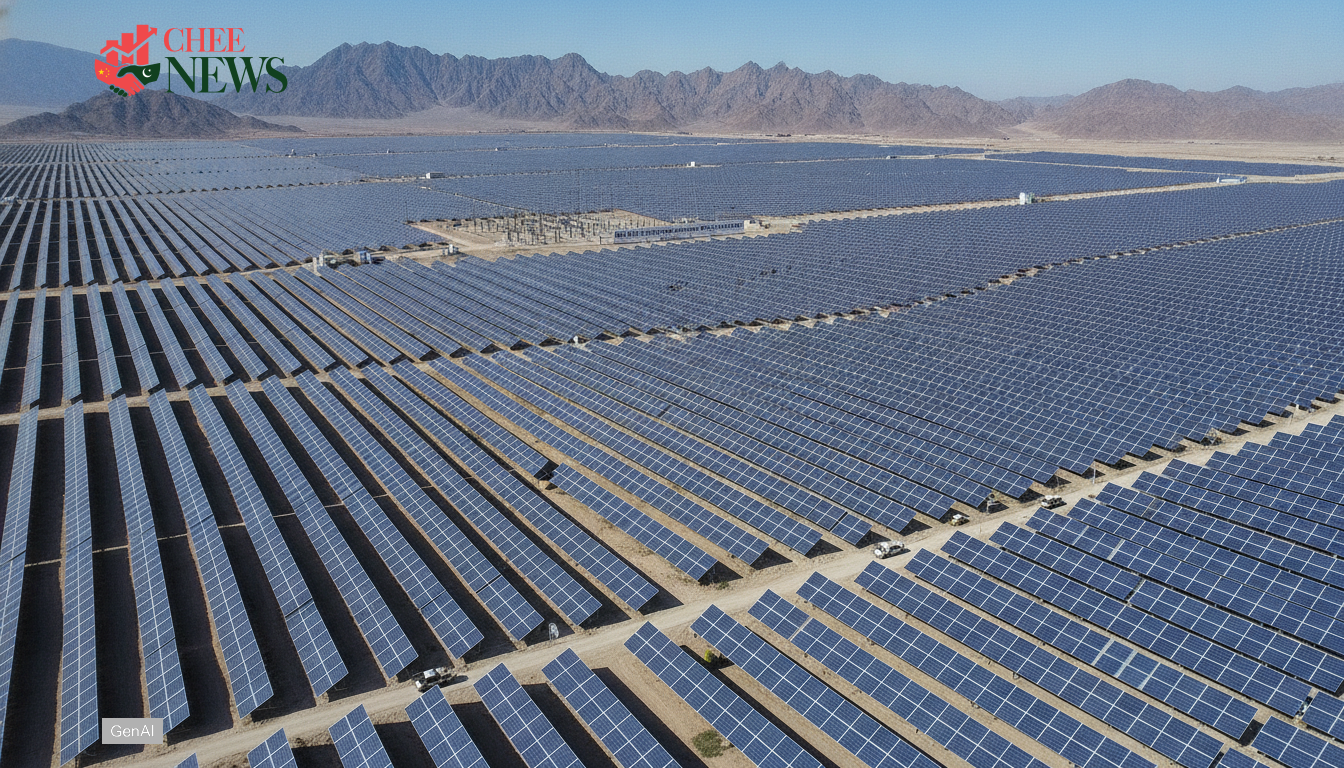
Chinese investment in Pakistan and the energy shift
In 2024 planning discussions, developers have reportedly pushed for quicker build cycles and tighter payment security to reduce delays tied to circular debt. According to available reports, Pakistani officials suggest that Chinese investment in Pakistan is reshaping how new power projects are chosen, financed, and connected to the grid. Pakistan’s Ministry of Energy has said in public policy statements that new capacity should follow least-cost principles and align with transmission readiness, which can slow additions even when investor interest is strong. For Chinese firms, the attraction is typically regulated offtake and contracted revenues, while Pakistan’s stated priority is cheaper, more reliable electricity. The near-term test is whether approvals, land, and interconnection can move fast enough without materially raising consumer tariffs.
CPEC structures and financing terms for renewables
Within CPEC, recent deal making has reportedly focused on bankable structures that pair EPC delivery with longer-tenor funding and clearer revenue safeguards. Sponsors and regulators have publicly emphasized issues such as indexation, invoicing discipline, and enforceable payment mechanisms, because these terms can matter as much as the headline capacity number. Market context also shapes how Chinese capital is allocated; for comparison on broader corporate and manufacturing momentum, see China EV market heats up as Xiaomi plans new SUVs, and these signals can affect risk appetite. In Pakistan, procurement rules and environmental permitting remain domestic processes, and project timelines still depend on interconnection studies and grid availability. In that sense, renewable energy projects can hinge as much on documentation and payment security as on construction speed.
Priority solar and wind projects and grid readiness
Solar and wind proposals are advancing because they can often be built faster than fuel-based plants, but they can face bottlenecks in transmission and dispatch. Pakistan’s National Transmission and Despatch Company has warned in its planning and system documents about congestion risks, and grid constraints can curtail variable renewable output even after a plant is completed. The Private Power and Infrastructure Board has also indicated in its guidance that standard power purchase structures, performance guarantees, and commissioning tests apply across investors. For a view of how broader China Pakistan cooperation is widening beyond energy finance, see China-Pakistan economic collaboration gains from AI, alongside grid and permitting constraints. These constraints make substation upgrades and line completion important to meeting contracted delivery dates and reducing curtailment risk for Chinese-backed projects.
Tariffs, circular debt, and currency risk for investors
Tariff outcomes and payment reliability are central to whether projects reach financial close. NEPRA has said in tariff determinations and related orders that tariff-setting must balance affordability with investor returns, while technical and connection requirements can evolve as the system absorbs more variable generation. For context on China’s domestic price and industrial signals that can influence outward investment appetite, see China economy: CPI cools as PPI nears 4-year high, which is often watched by investors. At the macro level, the State Bank of Pakistan has discussed in its published reports that energy imports are a channel of external vulnerability, with fuel costs affecting reserves and the exchange rate. Rupee volatility can raise local-currency costs for imported panels, inverters, and turbines, increasing the need for predictable indexation and payment-timing rules.
Outlook for Chinese investment in Pakistan’s power sector
Over the next few years, progress is likely to depend less on announcements and more on execution: land acquisition, interconnection, and payment performance. Pakistan’s Planning Commission has indicated in public planning and CPEC-related communications that prioritization is shifting toward projects that support productivity and reduce macro stress, which can favor renewables that lower exposure to fuel imports. Chinese investment in Pakistan will therefore be judged by measurable delivery, including timely grid upgrades, transparent tariff decisions, and credible payment security. For Chinese firms, power assets may provide steadier returns than discretionary consumer sectors, but only if curtailment and receivables are contained. If these fundamentals hold, the renewable buildout could deepen energy security while sustaining bilateral economic ties through dependable outputs.

