
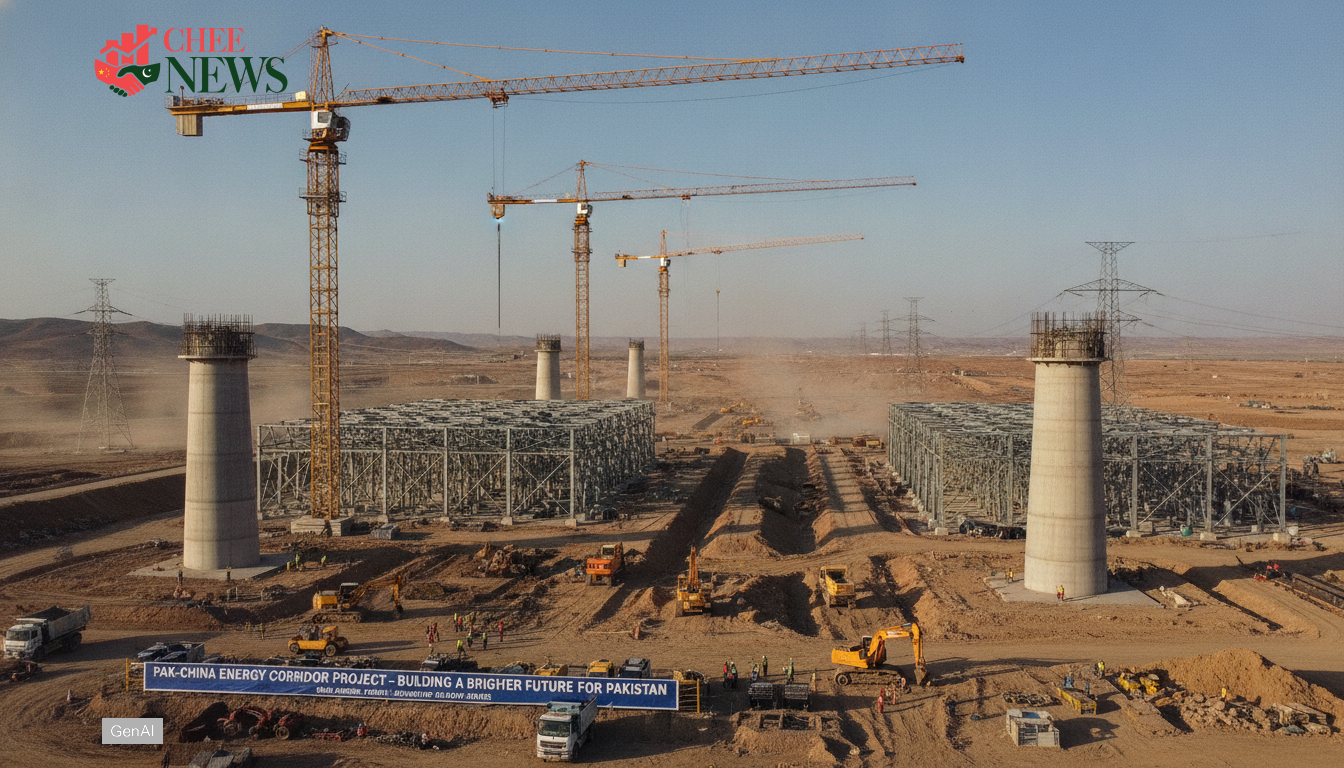
Pakistan energy projects: Strengthening Pak-China collaboration
Islamabad and Beijing have taken steps this week to enhance collaboration on power generation, grid stability, and fuel logistics, framing this as a drive for resilience rather than a ceremonial reset. Pakistan’s Ministry of Energy stated that priorities include reducing technical losses and improving dispatch efficiency across the national system. The energy projects in Pakistan are being evaluated for construction readiness, financing structure, and integration with transmission capacity, to prevent stranded output. Chinese state firms, Pakistan’s power authorities, and provincial energy departments are working to align permitting and land acquisition timelines. Discussions focused on build schedules, operational reliability, and performance targets.
CPEC pipeline and project sequencing
The new phase is being coordinated through existing CPEC development mechanisms, emphasizing sequencing rather than announcing a long list of sites at once. Pakistani planners are assessing corridor requirements for China-Pakistan trade, including more reliable power for industrial zones and logistics nodes linked to ports and highways. A separate policy and technology brief, AI competition: US vs China on chips, policy, models, shows how industrial priorities can shape procurement standards and supply chains for infrastructure. Official statements from Pakistan’s Ministry of Planning, Development and Special Initiatives continue to stress grid-ready additions and bankable structures.
Economic impacts and financing scrutiny
Officials suggest that enhanced energy reliability could impact export competitiveness and fiscal management by potentially reducing production losses and improving factory utilization. Projects are being evaluated for their capacity to lower delivered electricity costs through fuel efficiency, reduced line losses, and improved dispatch. Policy managers also emphasize the importance of reliable power for special economic zones and industrial cooperation. Background on deal structures and investment channels is covered in Chinese investment in Pakistan and energy project growth, which tracks how financing terms and risk allocation might affect execution. Strategic signaling is important, as steady delivery enhances credibility with contractors, lenders, and regional partners.
Technology upgrades and monitoring systems
Engineering teams are increasingly prioritizing monitoring and verification as core deliverables, given the growing complexity of the grid. Alongside traditional supervisory control systems, computer vision projects are being considered for site security, equipment inspection, and worksite safety auditing, especially in remote substations and long transmission corridors that are difficult to staff. Technology choices are influenced by governance debates and safety norms, as indicated in Tai Po fire inquiry testimony on regulatory loopholes. Power agencies claim better inspection data can reduce forced outages and improve maintenance planning, with results validated by operational metrics and audit trails.
Outlook: execution risks and next steps
Execution risk may remain a central constraint, as timely completion relies on procurement discipline, dispute resolution, and coordination between generation and transmission buildouts. The upcoming negotiations are expected to focus more on foreign exchange exposure, tariff stability, and fuel supply assurance, with officials perhaps prioritizing designs that lessen circular debt pressure. Pakistan’s Ministry of Finance has often highlighted the need to manage power sector liabilities in public fiscal communications, which increases the emphasis on predictable cash flows and enforceable contracts. Pakistan energy projects are under additional pressure from payment security expectations, with contractors anticipated to push for clearer payment security and standardized specifications to avoid redesigns. Progress continues, but delivery will likely depend on governance and sustained inter-agency alignment, according to available reports.

