
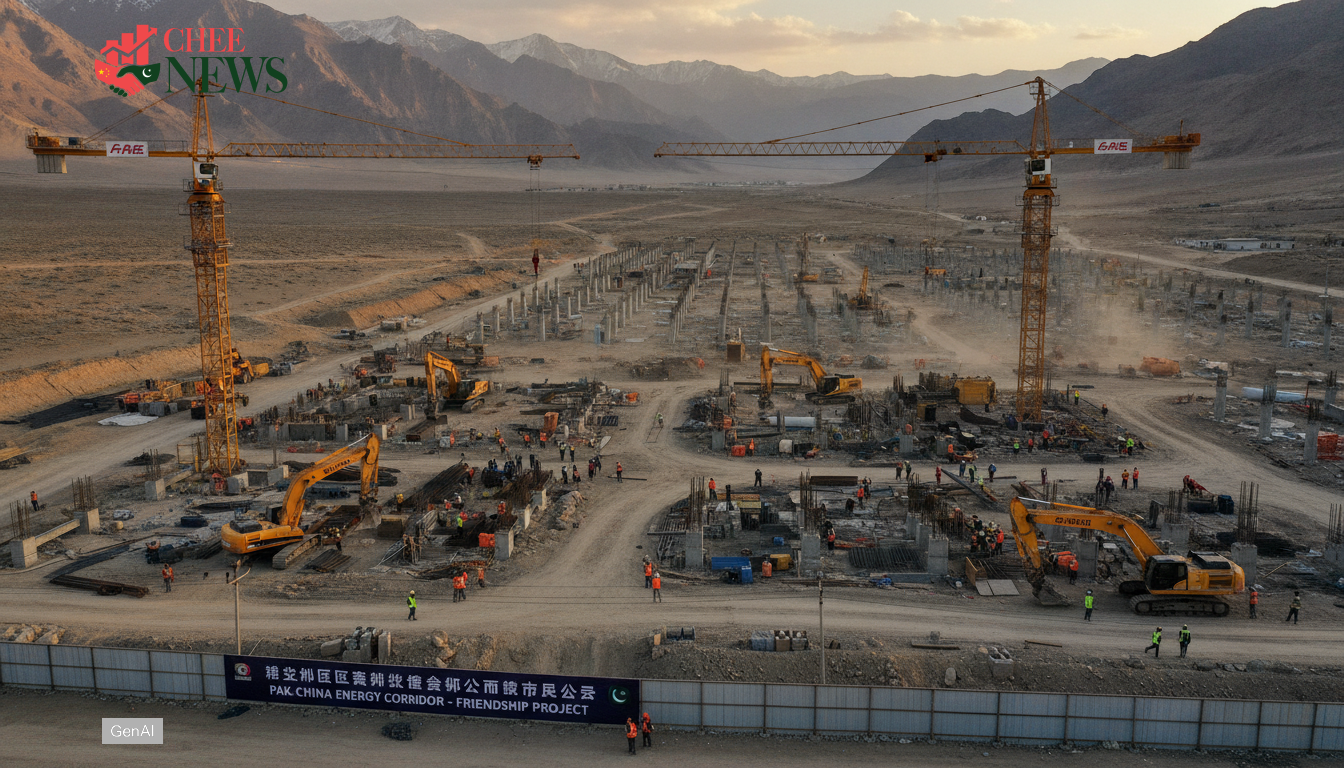
Chinese investment in Pakistan and energy priorities
Chinese investment in Pakistan is tied to power sector reforms aimed at adding reliable capacity, strengthening the grid, and reducing exposure to imported fuel. In 2024, officials in Islamabad and Beijing have discussed structuring new commitments around bankable generation, transmission reinforcement, and clearer risk controls, according to reports. The Ministry of Energy, Power Division, has expressed a desire for tighter performance benchmarks and stronger payment discipline to limit arrears. The main question for planners is how this investment can support dependable dispatch and integration into the national grid without adding avoidable fiscal pressure.
Where Chinese capital is targeting generation and grid
Project selection may be shifting toward additions that improve stability and relieve bottlenecks between generation and demand centers, as indicated by analysts who track the sector. This is linked, they suggest, to more attention on transmission reinforcement, metering, and staged commissioning to ensure new capacity is usable, not only installed. Related debates on regional security and planning are also reflected in China Warns NATO 3.0 Expansion Could Reshape Asia-Pacific. Risk reviews may be tightening following extreme weather and terrain-related disruptions, prompting more geotechnical screening and contingency planning during construction, as developers have mentioned.
Community and economic impact in host districts
Provincial authorities want new builds to translate into steadier service for households and more predictable power for factories, particularly in areas where outages have constrained output. For readers tracking timelines and coordination under CPEC, Pakistan energy projects deepen China ties under CPEC explores how implementation choices affect public benefits. The central issue is whether these China-backed energy projects can be paired with local procurement, workforce development, and supplier upgrading for durable gains. Community outcomes also depend on land acquisition practices, water use, and traffic management, as highlighted by local stakeholders.
Financing constraints, circular debt, and governance
Financing and governance remain significant constraints on the pipeline expansion. Pakistan’s power sector faces circular debt pressures, complicating cash flow predictability for generators and contractors, according to multiple accounts. For more details on deal flow and sector direction, see Chinese investment in Pakistan and energy project growth. In this context, lenders generally price risk into terms, while developers seek stronger guarantees, clearer dispatch rules, and enforceable payment timelines. Opportunities still exist if procurement becomes more transparent and grid planning synchronizes with new plants to avoid stranded output. The upside appears strongest where projects reduce losses and improve dispatch efficiency measurably.
What comes next for Pakistan-China energy collaboration
Near-term outcomes could depend on whether both sides focus on fewer, higher-quality projects that the system can absorb without new arrears, according to energy economists. Pakistan-China collaboration is expected to prioritize upgrading transmission, modernizing dispatch, and improving metering to ensure added generation does not become wasted capacity. The National Electric Power Regulatory Authority (NEPRA) highlights the importance of cost-reflective tariffs and compliance incentives as signals that shape investor confidence. Chinese investment in Pakistan might shift toward hybrid structures blending public support with private performance obligations through construction and operations, though this will depend on specific negotiations. Over time, consistent payments and measurable reliability gains for industrial zones and cities will be crucial market signals.

