
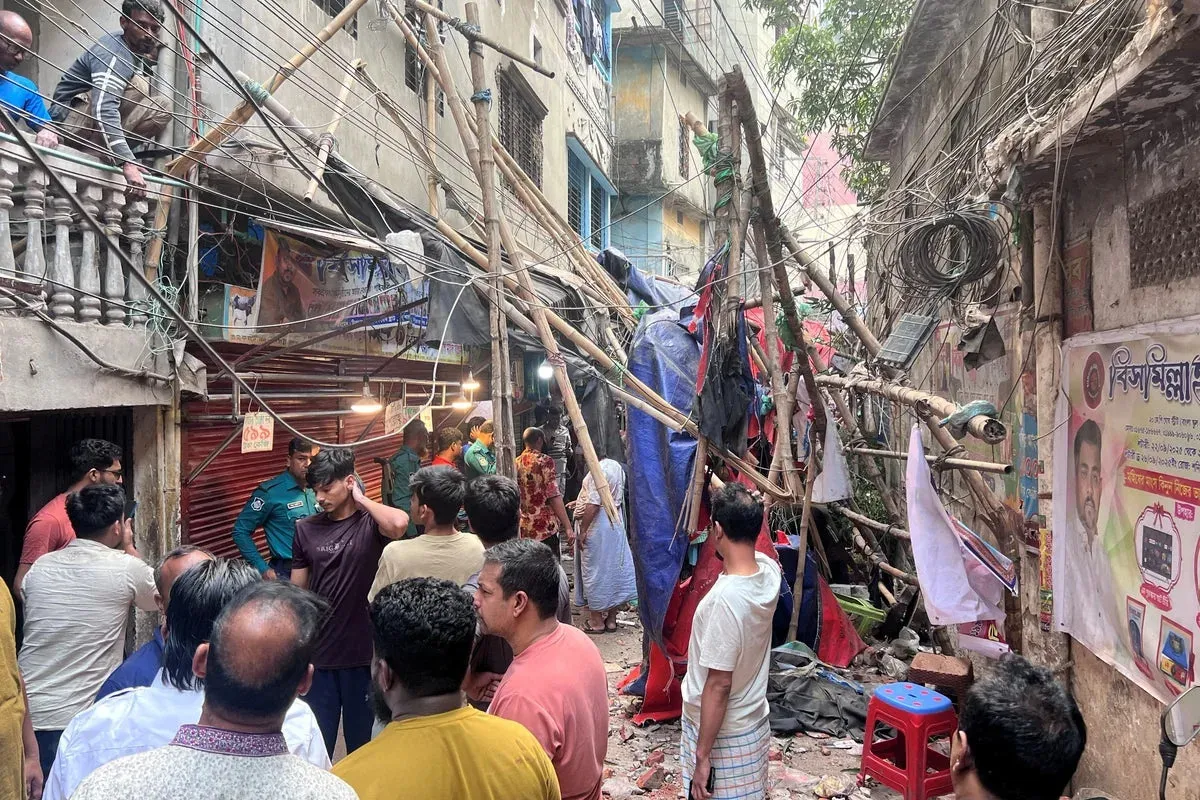
Dhaka was shaken by a powerful earthquake that measured 5.7 in magnitude, leaving at least ten people dead and many others injured. The usually busy capital of Bangladesh was thrown into chaos as buildings trembled, electricity flickered, and frightened residents rushed out into the streets to protect themselves.
The quake struck without warning, sending shockwaves through densely populated neighbourhoods and older structures that are especially vulnerable to seismic activity. Witnesses described scenes of panic as people ran from their homes, offices, and markets while the ground beneath them continued to shake. Parents clutched their children tightly, shopkeepers abandoned their stalls, and workers evacuated buildings in a rush, unsure of how long the tremor would last.
Emergency services were immediately deployed across the city. Fire crews, medical teams, and police officers worked to rescue those trapped in damaged buildings and provide treatment to the injured. Hospitals reported a sudden influx of patients suffering from fractures, cuts, and shock. Several victims were hit by falling debris, while others were injured as they tried to escape from high rise structures.
Authorities are still assessing the full extent of the damage. Some residential blocks and commercial properties have been visibly affected, with cracks appearing along walls and parts of ceilings collapsing. Older houses in crowded districts were among the hardest hit. Power outages were reported in several areas of Dhaka, and utility companies have been working to restore electricity while also checking for gas leaks and other hazards.
Families of the victims expressed their grief as the death toll continued to rise through the day. Many residents said the experience reminded them of the constant threat posed by earthquakes in the region, where millions of people live in urban centres that are growing faster than safety standards can keep up with.
Government officials said they were taking the situation seriously and urged people to stay alert as aftershocks were possible. They also advised residents to avoid damaged buildings and wait for structural inspections before returning home. The disaster management authorities have been coordinating relief efforts, distributing supplies, and guiding citizens on how to remain safe in the aftermath.
Seismologists noted that although a 5.7 magnitude earthquake is considered moderate, the impact can be severe in crowded cities where buildings are old, closely packed, or not built to modern safety codes. Dhaka, with its dense population and infrastructure challenges, remains particularly vulnerable.
As rescue and recovery teams continue their work, the people of Dhaka are trying to regain a sense of stability after a frightening and tragic day. The government has promised a full investigation into the incident and pledged support for the families affected by the quake.

