
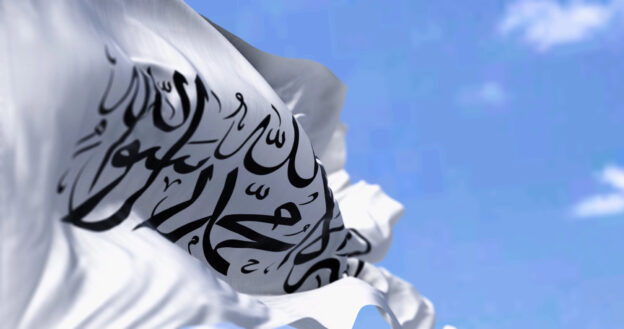
Afghanistan’s media landscape has undergone a dramatic transformation since the Taliban returned to power. Once home to one of South Asia’s most vibrant and outspoken media sectors, the country now faces sweeping restrictions as journalists work under growing pressure, censorship, and fear. What was once a space for open debate, investigative reporting, and social dialogue has increasingly become one where the Taliban control information and shape the national narrative according to their own political agenda.
In the years before 2021, Afghan media outlets operated with relative independence, supported by international partnerships and a new generation of reporters who were trained in modern journalism. Newsrooms covered elections, corruption, women’s rights, and security issues often at great personal risk but with a level of openness unprecedented in the country’s history. Today, that environment has largely disappeared.
Local journalists say the Taliban have introduced strict rules that make it nearly impossible to report freely. Reporters are routinely told which topics are off limits, which words must be removed, and how events should be described. Coverage of protests, women’s education, government policies, or any security-related issue is heavily monitored. Those who disobey face detention, threats, and intimidation. Some have been beaten or briefly imprisoned, while many others have fled the country, joining a growing list of Afghan journalists in exile.
At the same time, the Taliban have developed an increasingly sophisticated communication strategy of their own. They use social media platforms including X, Facebook, TikTok, and Telegram to broadcast their messages, promote their achievements, and counter criticism. The group regularly posts videos, statements, and coordinated messaging designed to project an image of stability, governance, and international legitimacy. Their online presence has grown so rapidly that it often overshadows the shrinking independent media inside the country.
Digital content produced by Taliban-linked accounts often targets younger audiences, promotes religious narratives, and portrays the group as defenders of Afghan identity. Analysts note that this online messaging campaign helps the Taliban gain supporters, influence public opinion, and fill the information vacuum created by the suppression of traditional media.
Human rights organizations warn that the collapse of media freedom in Afghanistan has profound implications. Without independent journalism, citizens cannot access reliable information, hold authorities accountable, or document abuses. Women journalists have been hit particularly hard, with many barred from working or forced out of newsrooms due to discriminatory restrictions.
Media experts say that Afghanistan is shifting from a period of open communication to one where news is tightly controlled and used as a tool of political influence. As censorship increases and independent voices fade, the Taliban continue to strengthen their grip on public messaging both inside the country and across global digital platforms.

