
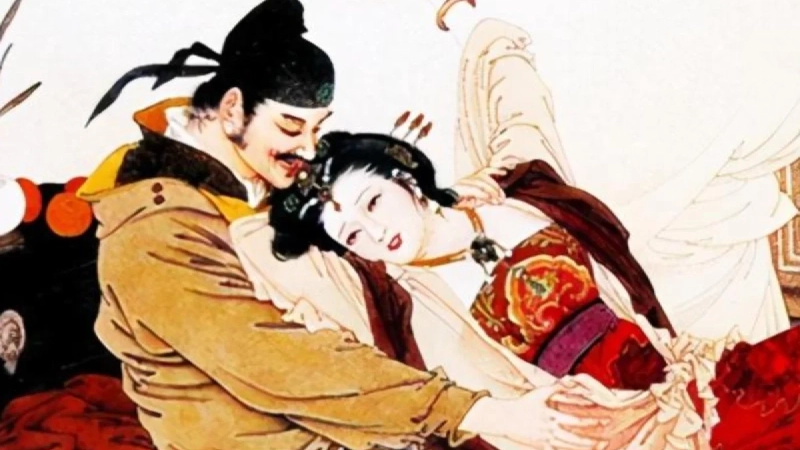
Life during winter in ancient China revealed deep social divides, where survival strategies varied sharply between the wealthy and the poor. Without modern heating systems or insulated bedding, people relied on creative and often extreme methods to stay warm. While cold affected everyone, access to comfort was heavily influenced by status. Historical records show that emperors and nobles developed early heating techniques and luxury solutions, while ordinary citizens faced harsh realities, often struggling to survive freezing temperatures with limited resources.
In imperial courts, rulers and elites used advanced methods for their time to maintain warmth indoors. Specially designed rooms were built to trap heat, with walls treated to reduce dampness and retain warmth. Heated brick beds became widely used in northern regions, offering a practical solution that remained in use for centuries. Portable hand warmers filled with hot materials were also common among the upper class, allowing individuals to carry heat with them. These innovations reflect how wealth enabled access to both comfort and technological adaptation in colder climates.
Beyond physical tools, some elite practices reflected excess and privilege. Historical accounts describe nobles using servants to warm beds before sleep or even relying on human body heat for comfort. In certain cases, animals such as cats and dogs were kept close during winter nights to provide additional warmth. These habits illustrate how luxury extended beyond objects into lifestyle choices, reinforcing the social gap between those who could afford comfort and those who could not. Cultural references from literature and poetry often highlight these contrasts in vivid detail.
For common people, winter survival depended on resourcefulness rather than luxury. Many relied on simple clothing filled with natural materials like feathers, reeds or plant fibers to create insulation. Basic shelters and improvised heating methods were used where possible, but these offered limited protection against severe cold. Some communities developed shared spaces designed to retain heat, reflecting collective efforts to endure harsh conditions. Despite these adaptations, many individuals remained vulnerable, especially during extreme weather.
The starkest realities were faced by the poorest members of society, who often resorted to desperate measures to survive. Historical accounts describe individuals seeking warmth in unconventional and dangerous ways, sometimes with fatal consequences. These conditions were frequently documented in classical poetry, which captured the contrast between abundance and suffering. The historical record of winter in ancient China not only reflects environmental challenges but also highlights how inequality shaped daily life, turning a natural season into a defining test of survival for millions.

