
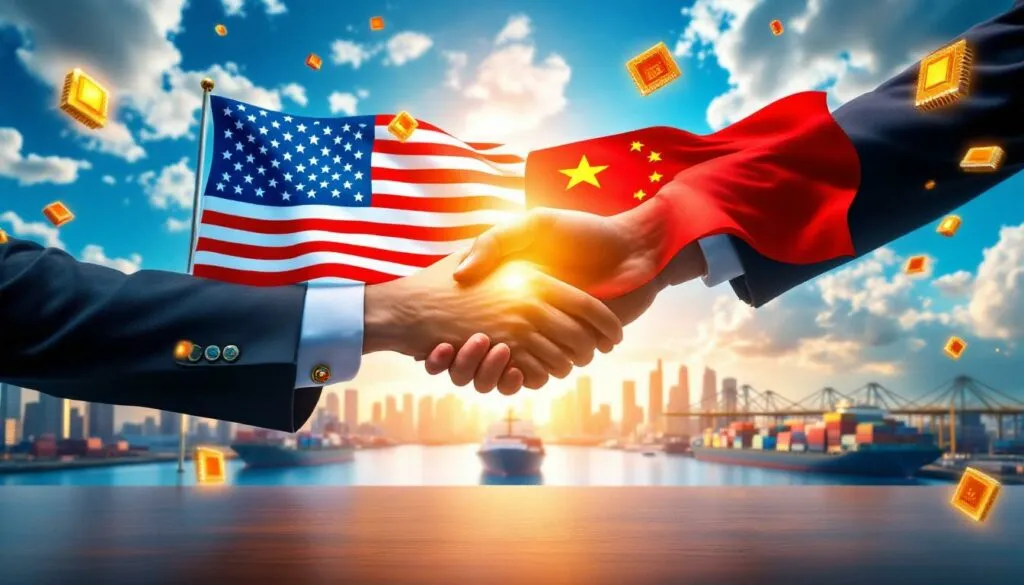
As the United States intensifies its trade pressures on China, countries across North America are taking a closer look at how stronger commercial ties with Beijing could benefit their own economies. The shift comes at a moment when many global economists believe that China could overtake the United States as the world’s largest economy within the next two decades, a projection that is prompting governments and business communities to reassess long-term strategies.
This changing outlook has drawn widespread attention in North America, where business leaders, policymakers, and analysts are examining how the region should respond to evolving global economic dynamics. In Mexico, the debate has taken on particular urgency. At a recent gathering in Mexico City, former diplomats, senior executives, and trade specialists met to discuss how Mexico could expand opportunities with China at a time when the United States is adopting a more restrictive approach.
Participants at the meeting noted that Mexico’s economy, which is deeply integrated with the United States through the USMCA framework, has long balanced cooperation with Washington while cautiously engaging with China. However, with supply chains shifting and global competition intensifying, they argued that Mexico needs to explore more diversified economic partnerships. They emphasized that Mexico’s geographic position, large manufacturing base, and growing middle class make it well placed to engage more effectively with Chinese industries, especially in sectors such as electronics, automotive, clean energy, and advanced manufacturing.
Some experts said that while Mexico will remain closely linked to the United States, it should not overlook opportunities that come with China’s expanding global presence. They pointed out that Chinese companies are increasingly looking for investment destinations in the Americas and that Mexico’s stability, skilled workforce and proximity to major markets could attract significant interest. Others highlighted that greater engagement with China could help Mexico strengthen its export competitiveness, reduce certain supply chain vulnerabilities and expand access to consumer markets with rising purchasing power.
Similar conversations are emerging in Canada, where businesses have been evaluating how to navigate the growing economic rivalry between Washington and Beijing. While Canada’s relationship with China contains political complexities, its agricultural, energy and technology sectors continue to see potential advantages in maintaining stable commercial relations with the world’s second largest economy. Analysts say that Canadian industries could benefit from long term demand coming from China, particularly in natural resources, food products and green technologies.
Across North America, there is recognition that the global economic landscape is entering a period of transition. The United States remains a dominant force, but China’s rapid development, expanding industrial capabilities and growing influence are reshaping global supply networks. This has encouraged many regional economies to consider a more balanced approach that keeps doors open to multiple partners.
Economists warn that rising trade tensions carry risks for countries that depend heavily on global markets. For Mexico and Canada, the challenge lies in managing close ties with the United States while also exploring new opportunities with China. Business leaders at the Mexico gathering agreed that the future of North American competitiveness may depend on building wider economic linkages rather than narrowing them.
As the global economy continues to shift, North American countries are weighing how best to position themselves. Whether through trade, investment or industrial cooperation, many believe that constructive engagement with China will remain an important part of that strategy.

