
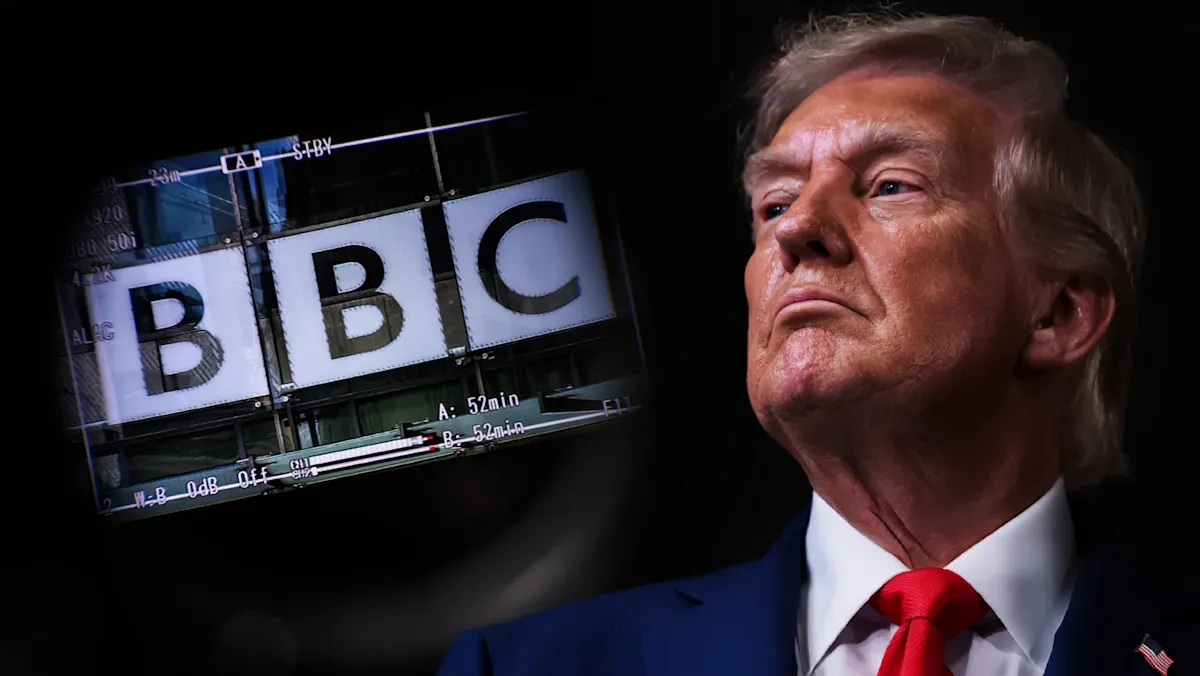
The BBC has formally apologized to U.S. President Donald Trump for an edited segment in a Panorama documentary, acknowledging that the clip stitched together separate moments from his Jan. 6, 2021 speech in a way that could be considered misleading. However, the broadcaster has rejected Trump’s demand for financial compensation and insists there is no legal basis for a defamation claim.
In a statement issued on Thursday, a BBC spokesperson said the network “sincerely regrets the manner in which the video clip was edited,” adding that the Panorama episode would not be broadcast again. Despite the apology, the spokesperson emphasized that the corporation “strongly disagrees” that the edited footage amounts to defamation or warrants the financial remedy requested by Trump’s legal team.
The dispute escalated after Trump’s lawyers sent a formal letter dated November 9 to the BBC. In the letter, his legal representatives demanded a “full and fair retraction of the documentary,” along with a public apology and what they described as “appropriate compensation” for the alleged harm caused. The letter also warned that the BBC must comply with the demands by Friday evening or face legal action seeking no less than 1 billion U.S. dollars in damages.
According to the complaint, the Panorama program spliced together portions of Trump’s remarks from Jan. 6, 2021 in a way that appeared to portray him as encouraging supporters to march toward the U.S. Capitol and “fight like hell” amid the tense political environment that surrounded the events of that day. Trump’s legal team argues that the edit unfairly reinforced a narrative that he had incited violence, a characterization he has consistently rejected.
The BBC’s decision not to rebroadcast the episode reflects an acknowledgment of the editorial mistake, but the corporation maintains that the error was not malicious. Media analysts say the incident highlights ongoing scrutiny of how news organizations handle politically sensitive material, especially in cases involving public figures whose remarks are often contested or interpreted in different ways.
Legal experts note that defamation cases involving political speech are challenging to pursue because broadcasters enjoy wide protections when reporting on matters of public interest. The BBC’s firm response suggests the organization believes it remains within those protections, even while conceding that the editing did not meet its usual standards.
The disagreement comes at a time when Trump continues to criticize several major media outlets, frequently accusing them of misrepresentation or bias. While the BBC’s apology appears intended to address editorial concerns, its refusal to meet Trump’s financial demands indicates the matter may move into a legal arena if further action is taken.

