
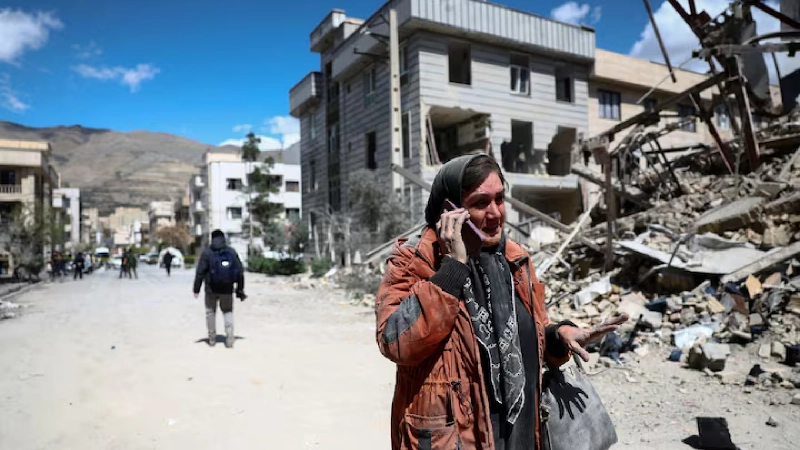
China and Pakistan have jointly called for an immediate ceasefire in the ongoing conflict involving Iran, urging all parties to move toward dialogue and restore stability across the Middle East. The coordinated diplomatic effort comes as tensions continue to disrupt global energy routes and raise concerns over regional security. Both countries emphasized the urgency of restarting peace talks, positioning diplomacy as the only viable path to de escalation. The move highlights growing cooperation between Beijing and Islamabad in addressing geopolitical crises that carry significant economic and security implications for Asia and beyond.
The joint initiative was announced following high level talks between the foreign ministers of both countries in Beijing, where a five point framework was outlined to guide de escalation efforts. The proposal stressed the importance of protecting national sovereignty, safeguarding civilian lives and ensuring the security of critical infrastructure. It also called for the protection of nuclear facilities and urged all sides to avoid actions that could further intensify the conflict. The initiative reflects a broader attempt to create a structured approach toward conflict resolution while maintaining regional stability.
A key focus of the discussions was the urgent need to restore normal navigation through the Strait of Hormuz, one of the world’s most important energy corridors. The disruption of maritime traffic in the region has raised alarms across global markets, with shipping delays and rising insurance costs impacting trade flows. China and Pakistan urged all stakeholders to guarantee the safe passage of commercial vessels and protect crews operating in the area. Ensuring the reopening of this strategic waterway is seen as critical for stabilising energy supplies and preventing further economic fallout.
Pakistan’s role as a potential mediator has gained attention as it maintains diplomatic ties with both Iran and Western powers, allowing it to position itself as a neutral facilitator in the crisis. Islamabad has already engaged with several regional countries in an effort to build consensus for peace talks, reinforcing its growing diplomatic presence. China has expressed strong support for these efforts, signaling a coordinated approach to easing tensions and encouraging dialogue. Analysts suggest that this partnership could strengthen regional diplomacy and provide an alternative channel for negotiations.
The evolving situation continues to influence global economic conditions, particularly through its impact on energy markets and supply chains. As tensions persist, countries are increasingly focused on preventing further escalation that could destabilise the region. The joint call by China and Pakistan underscores the importance of diplomatic coordination in managing complex geopolitical challenges. With mediation efforts gaining traction, attention is now on whether these initiatives can lead to meaningful negotiations and a gradual restoration of stability in one of the world’s most sensitive regions.

