
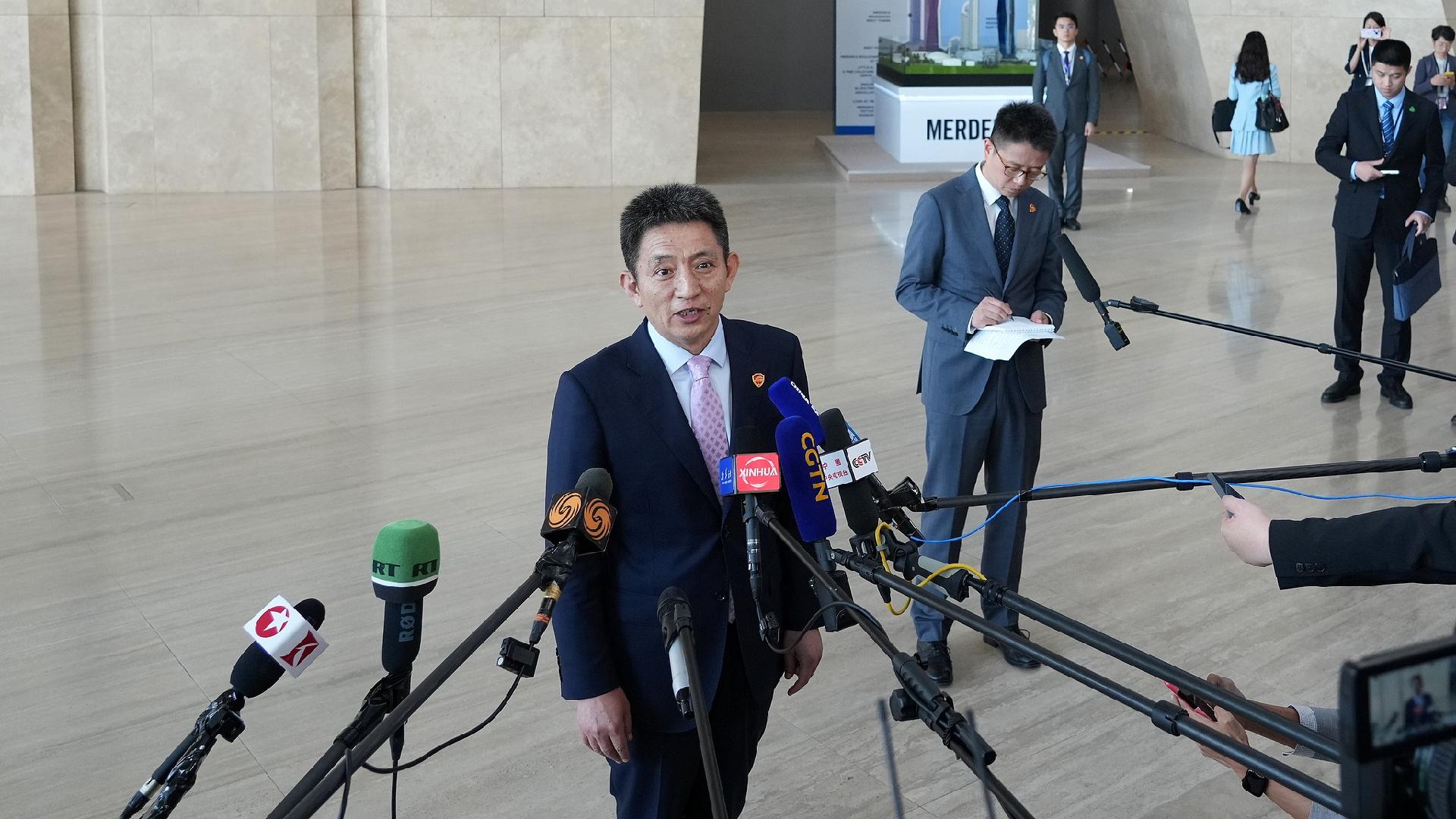
China and the United States concluded a two-day round of high-level trade talks in Kuala Lumpur, marking one of the most constructive engagements between the two powers in recent months. The discussions covered tariffs, export controls, and trade expansion, with both sides agreeing to maintain regular communication and promote stable, mutually beneficial economic relations.
Officials described the atmosphere as pragmatic and forward-looking, suggesting that both Beijing and Washington are seeking ways to rebuild trust after years of friction. The meetings involved senior officials from both governments and focused on practical measures to stabilize trade flows and reduce uncertainty across global markets.
According to participants, talks included initial discussions about tariff adjustments, particularly on industrial goods and advanced technology components. Negotiators also examined the complex issue of export controls, especially concerning semiconductors and high-tech materials, a recurring point of contention in U.S.–China relations.
Sources close to the talks noted that while no major breakthroughs were announced, the tone was notably cooperative, with both sides emphasizing continuity of dialogue. The discussions also explored potential cooperation in sectors such as renewable energy, agriculture, and digital trade, areas viewed as mutually advantageous despite ongoing strategic competition.
In a joint statement, both sides acknowledged their shared responsibility in safeguarding global economic stability and reaffirmed their commitment to maintaining open lines of communication. “China and the United States have agreed to advance stable and constructive trade relations for the benefit of the global community,” the statement said.
Analysts view the Kuala Lumpur talks as a small but meaningful step toward easing tensions between the two largest economies. With trade policy at the center of global market dynamics, sustained engagement between Washington and Beijing could help restore confidence among international investors and partners seeking predictability in a shifting economic landscape.

