
A China-led cross-border digital currency platform is seeing rapid growth in usage, highlighting accelerating efforts to build alternative payment systems outside traditional dollar-based networks. The platform known as mBridge has processed more than fifty-five billion dollars in transactions, reflecting a sharp rise in activity since its early testing phase. Central banks from China, Hong Kong, Thailand, the United Arab Emirates, and Saudi Arabia are participating in trials, with more than four thousand cross-border transactions recorded so far. The surge signals growing confidence among participating institutions in using digital currencies for international settlements. Observers see the platform as part of a broader push by China and partner economies to modernize cross-border payments, improve efficiency, and reduce dependence on established global systems that are largely dominated by the US dollar.
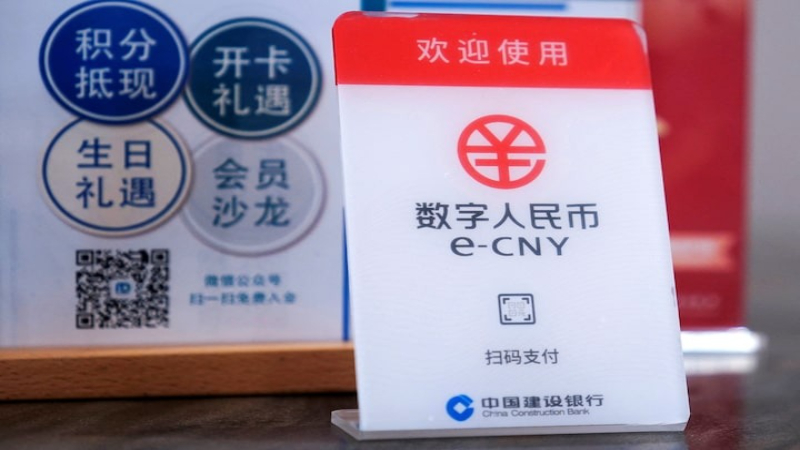
The digital yuan, also known as eCNY, accounts for the vast majority of transaction volume on the platform, underscoring its central role in China’s digital finance strategy. According to recent figures, domestic usage of the digital yuan has also expanded significantly, with transaction values climbing sharply over the past year. Chinese authorities have taken additional steps to encourage adoption, including plans to allow interest payments on digital yuan balances held in approved wallets. Analysts say this combination of domestic expansion and international experimentation reflects a gradual approach to extending the yuan’s reach through digital infrastructure rather than abrupt disruption of existing systems. The strategy emphasizes parallel settlement channels that can coexist with current frameworks while offering governments and businesses greater flexibility in managing cross-border payments.
The progress of mBridge is being closely monitored by policymakers worldwide as competition intensifies over the future of digital currencies and payment infrastructure. The project was initially associated with the Bank for International Settlements, which later shifted its focus to alternative initiatives involving several major Western central banks. Despite that shift, mBridge remains among the most advanced experiments in wholesale central bank digital currency usage. Recent transactions involving government entities in the Middle East have reinforced their credibility and demonstrated practical use cases beyond testing environments. Experts suggest future growth is likely to concentrate on trade-related settlements, particularly in energy and commodities, where China plays a significant commercial role. As digital currency projects advance globally, mBridge’s expansion illustrates how financial innovation is reshaping the landscape of international payments and monetary cooperation.

