
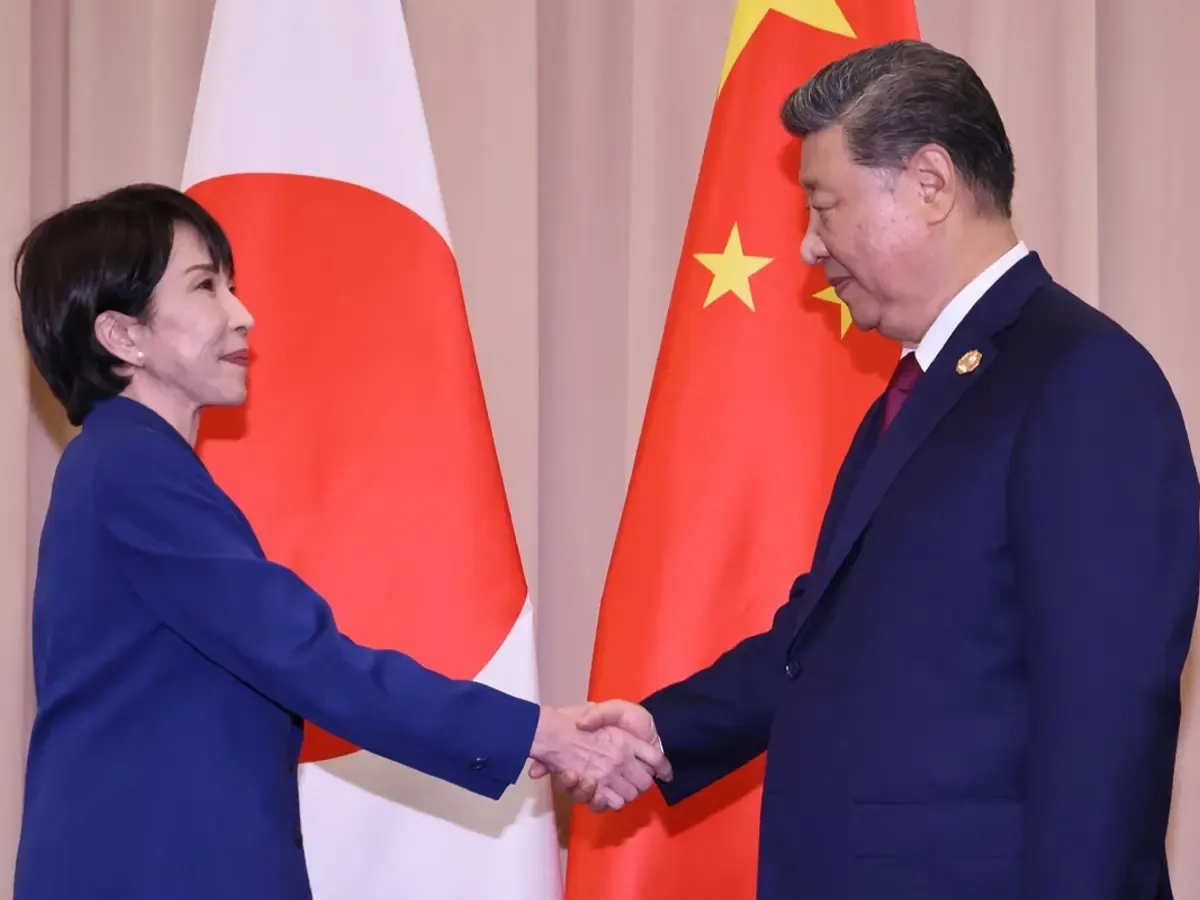
Relations between China and Japan have entered another period of strain after comments by Japanese Prime Minister Sanae Takaichi about Taiwan set off a wave of political and diplomatic reactions. The remarks have triggered a sharp response from China and stirred debate inside Japan, where some voices are now calling for China’s consul general to be declared persona non grata and expelled from the country.
Takaichi’s comments, which suggested that a Taiwan related crisis could have serious implications for Japan’s security, were viewed by China as highly provocative. Beijing has repeatedly stated that issues related to Taiwan are internal matters and should not be linked to the security concerns of other countries. Chinese officials said the prime minister’s words were dangerous and risked undermining regional stability.
The reaction from China was swift. Chinese representatives criticised Japan for what they described as unnecessary interference and urged Tokyo to avoid making statements that could inflame tensions. They also stressed that Japan should handle cross strait issues with caution, especially given the sensitive history between the two countries.
Inside Japan, the remarks have sparked strong political debate. Some lawmakers and commentators argue that Japan must stand firm on matters of national security and maintain the ability to speak openly about regional risks. Others believe the comments have complicated relations with China at a time when diplomatic communication is crucial. A number of critics say that escalating rhetoric does little to protect Japan’s interests and may instead contribute to a rise in hostility.
The situation intensified further when calls emerged for the expulsion of China’s consul general. Supporters of this move argue that China’s strong criticism crossed diplomatic lines. Opponents warn that such an action would deepen the rift between the two countries and could lead to retaliatory steps from Beijing. They stress the importance of keeping diplomatic channels open, especially when tensions are already high.
Analysts note that relations between China and Japan often swing between cooperation and confrontation. Despite deep economic ties, political disagreements over history, security and maritime issues continue to surface. Taiwan remains one of the most sensitive topics affecting the bilateral relationship.
Observers say that managing this latest dispute will require restraint from both sides. China and Japan both play major roles in the stability of East Asia, and any escalation could affect the wider region. Many experts believe that dialogue, rather than confrontation, is the only way to prevent misunderstandings and reduce the risk of further diplomatic fallout.
For now, both countries appear to be weighing their next steps carefully. Whether this moment becomes another temporary setback or develops into a deeper diplomatic crisis will depend on how leaders in Beijing and Tokyo choose to respond in the coming days.

