
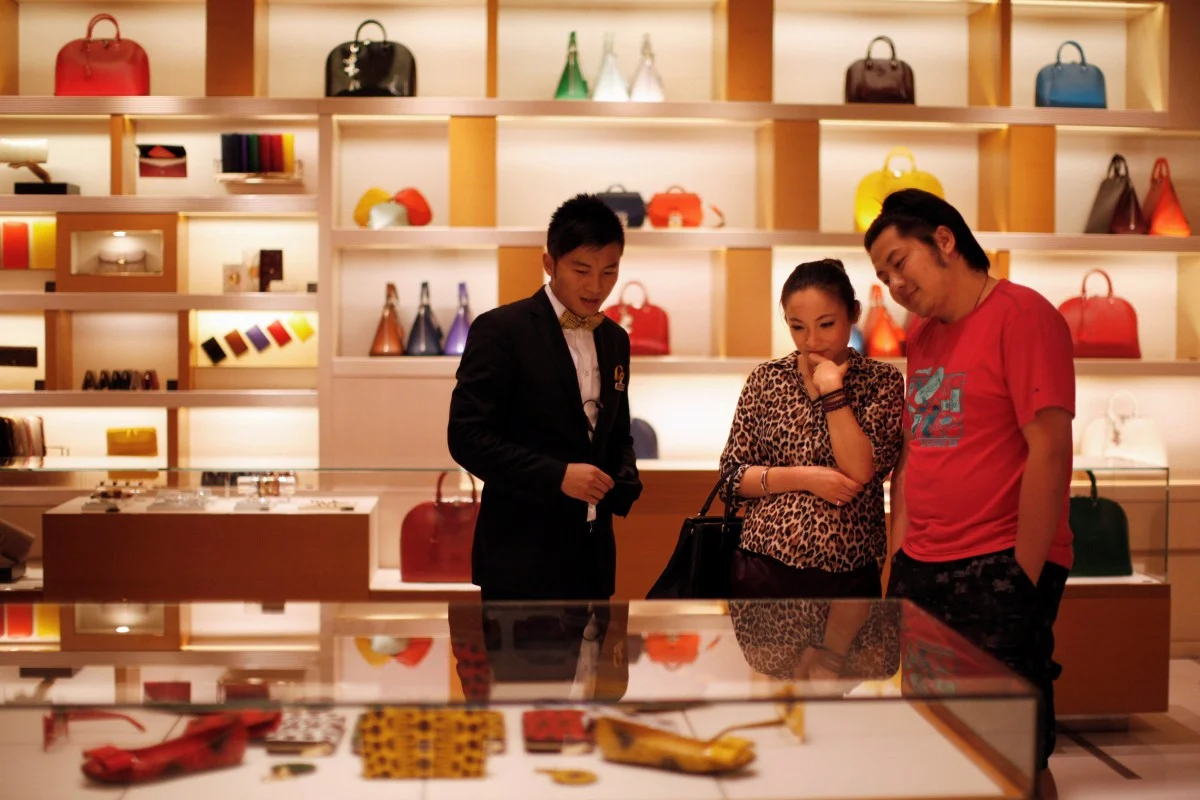
French luxury conglomerate LVMH Moët Hennessy Louis Vuitton has reaffirmed its strong commitment to the Chinese market, describing China as the “beating heart of global luxury” and a key driver of growth for the industry as Beijing prepares its next five-year economic plan.
In recent statements cited by Bloomberg and SCMP, LVMH executives emphasized that despite global economic uncertainty, China’s expanding upper-middle class and rising consumer confidence continue to anchor worldwide demand for high-end fashion, jewelry, and lifestyle products. The company said it expects Chinese shoppers to remain central to the global luxury landscape throughout the next decade, both at home and abroad.
“We have absolute confidence in China’s market,” said Bernard Arnault, LVMH’s chairman and chief executive, noting that the country’s digital sophistication and appetite for premium craftsmanship have set new global standards. Arnault added that the group plans to deepen partnerships with Chinese cities through flagship stores, digital commerce, and cultural collaborations aligned with Beijing’s urban development and consumption strategy.
Analysts say LVMH’s renewed focus on China aligns with broader expectations that the country’s 15th Five-Year Plan, now being drafted, will prioritize domestic consumption, creative industries, and cultural exports as new pillars of economic growth. The luxury sector, valued at over US$60 billion annually in China, is viewed as a vital component of this transition from export-led growth to a consumption-driven model.
According to Reuters, LVMH has expanded its footprint in cities beyond Beijing and Shanghai, opening stores in Chengdu, Wuhan, and Shenzhen to capture emerging demand in second-tier markets. The company also plans to boost investment in customer experience technologies and localized product lines tailored to Chinese tastes.
Experts note that global brands are increasingly adapting to the evolving regulatory and cultural environment under President Xi Jinping’s call for “common prosperity,” which encourages balanced wealth distribution while maintaining consumer confidence. “Luxury firms must navigate China’s changing social priorities without losing appeal among aspirational consumers,” said an industry analyst in Hong Kong.
Despite a slower post-pandemic recovery in retail spending, China’s luxury sector has shown resilience. High-net-worth consumers continue to spend on premium goods, supported by a strong yuan and digital retail platforms. LVMH’s reaffirmed faith signals not only optimism in China’s economic fundamentals but also acknowledgment of its enduring cultural influence on the global luxury narrative.

