
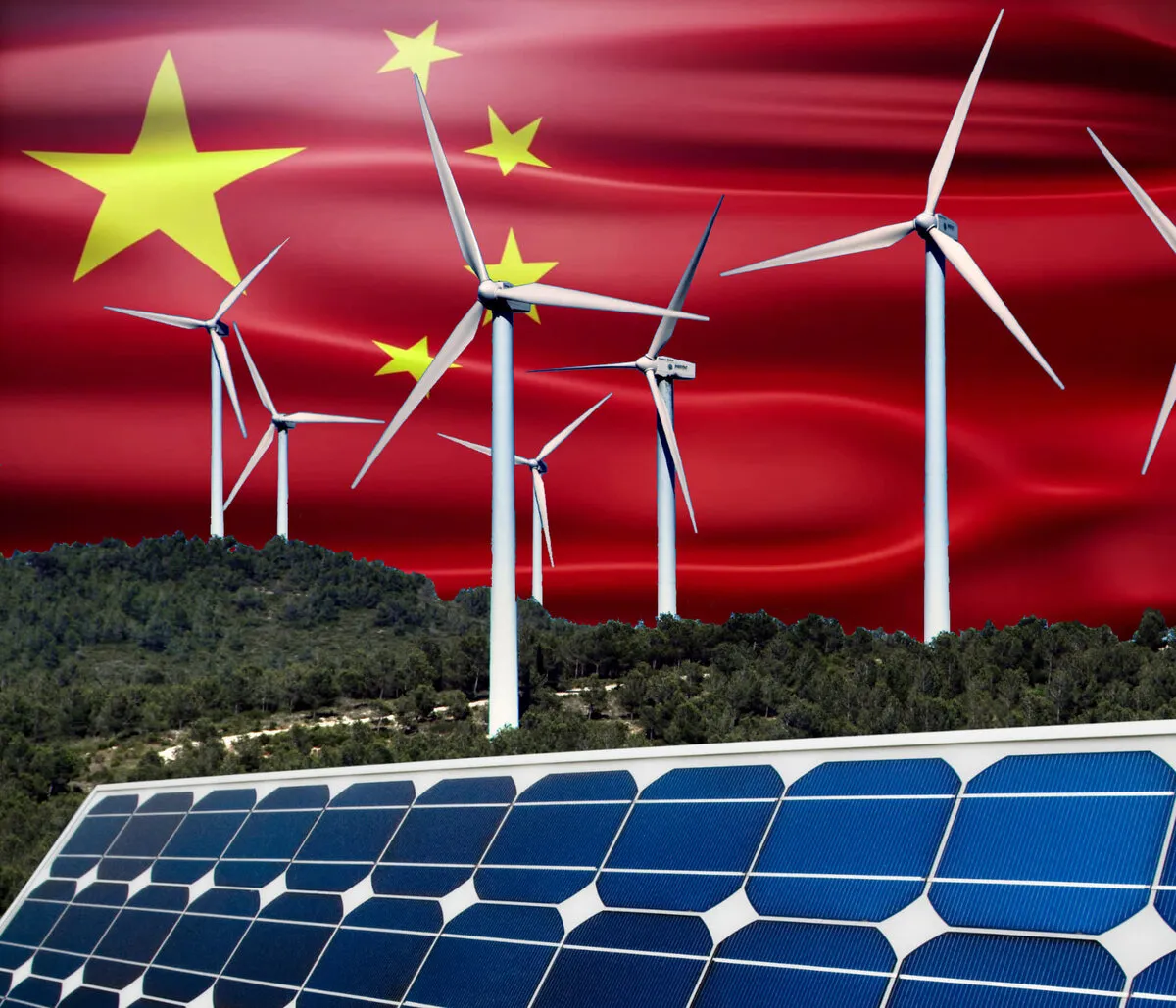
How the world’s biggest emitter became leader in clean energy industries.
From Polluter to Pioneer
For decades, China’s growth relied on coal, steel, and heavy industry, making it the largest emitter of greenhouse gases. Yet out of environmental crisis came opportunity. By the 2010s, Beijing recognized green technology not just as necessity but as pathway to industrial leadership. Massive subsidies, strategic planning, and scale of domestic demand turned China into clean energy superpower.
Solar Supremacy
China dominates global solar industry, producing over 80 percent of photovoltaic panels. Companies like LONGi, JinkoSolar, and Trina Solar lead in both technology and volume. Gigafactories in provinces such as Jiangsu and Anhui churn out panels at unmatched scale, driving down costs worldwide. This manufacturing edge fuels global transition, but also sparks trade disputes. The U.S. and EU imposed tariffs citing overcapacity and unfair subsidies, yet China remains unrivaled in output.
Wind Power Expansion
Onshore and offshore wind projects make China world’s largest wind energy market. Vast farms stretch across Inner Mongolia, Xinjiang, and coastal provinces. Companies like Goldwind and Mingyang build turbines not only for domestic projects but also for export. Offshore installations near Guangdong and Jiangsu showcase engineering capacity to compete with European giants. Integration into national grid remains challenge, but rapid buildout reflects determination to diversify energy mix.
Battery Leadership
No green revolution is possible without storage, and here too China leads. CATL and BYD dominate global battery supply, providing packs for electric vehicles and renewable integration. Innovations in lithium iron phosphate chemistry reduce dependence on cobalt, making batteries cheaper and safer. Research into sodium ion and solid state batteries promises further breakthroughs. Control over battery technology cements China’s influence across industries from transport to power grids.
Electric Vehicles as Catalyst
The EV boom reinforces green tech leadership. Domestic champions like BYD, NIO, and XPeng integrate batteries and renewable electricity into consumer lifestyles. EV exports to Europe and Southeast Asia showcase China’s ability to translate green technology into global market power. Success in EVs depends on entire ecosystem: solar-powered charging stations, affordable batteries, and supportive infrastructure.
Challenges and Contradictions
Despite green achievements, contradictions persist. China still builds new coal plants to ensure energy security, undermining climate goals. Local governments approve projects to boost GDP, while grid integration struggles to absorb intermittent renewables. Critics warn that overcapacity in solar and wind manufacturing may lead to financial risks. Balancing expansion with sustainability remains ongoing challenge.
Geopolitical Dimensions
Green technology is not just industry; it is geopolitics. By controlling supply chains for solar panels, batteries, and rare earths, China gains leverage in global climate negotiations. Western governments worry about dependency, prompting policies to reshore clean energy industries. At the same time, developing nations benefit from affordable Chinese equipment, making Beijing indispensable partner in their transitions.
Climate Diplomacy
China frames green tech leadership as contribution to global climate goals. It pledges carbon neutrality by 2060 and promotes green Belt and Road projects abroad. Investments in solar farms in Africa, wind parks in Latin America, and battery plants in Southeast Asia reinforce image of responsible power. Yet skepticism lingers over whether global expansion prioritizes sustainability or market dominance.
Future Directions
China’s green tech future hinges on innovation beyond scale. Breakthroughs in storage, hydrogen, and carbon capture will decide next stage. Digital integration of renewables through smart grids and AI could increase efficiency. If successful, China could shape not only supply chains but standards and norms of global energy transition.
Conclusion: Powering the Planet
China’s green tech push highlights the paradox of a nation that is both a polluter and a pioneer. Its industries drive global clean energy but also raise questions of dependence and balance. Whether seen as competitor or partner, China’s role is undeniable: it has placed itself at the center of the world’s green transformation.

