
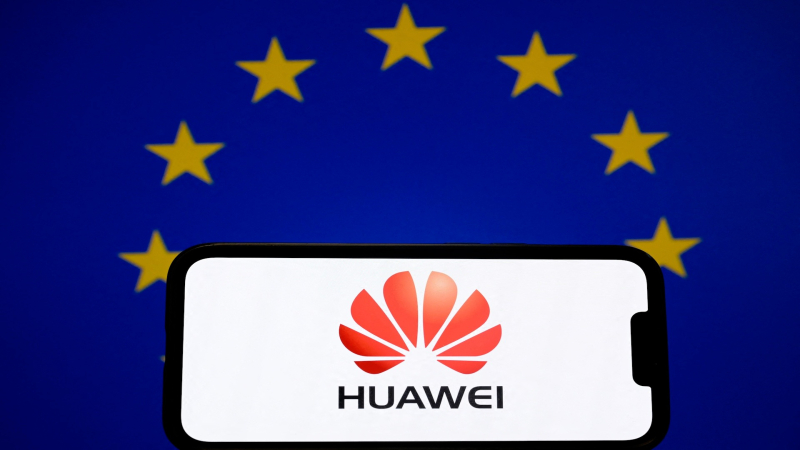
The European Union is moving toward a tougher stance on Chinese technology firms as Brussels advances a proposal that would require member states to remove Huawei Technologies and ZTE equipment from mobile networks across the bloc. The plan, introduced by the European Commission, represents the most forceful step yet in the EU’s long running effort to reduce reliance on Chinese suppliers in critical digital infrastructure. While EU authorities have urged capitals since 2020 to limit or exclude high risk vendors from 5G networks, compliance has been uneven, with fewer than half of member states fully acting on the guidance. By seeking to make removal mandatory within three years of adoption, Brussels is signaling a shift from recommendation to enforcement, reflecting growing concerns that cybersecurity, supply chain resilience and strategic autonomy are now inseparable from technology policy.
If approved, the proposal would significantly reshape Europe’s telecom landscape and could open the door to broader restrictions on Chinese technology companies operating in the region. The measures are expected to directly affect Huawei Technologies and ZTE, both of which have been central to Europe’s mobile network build out over the past decade. Commission officials argue that inconsistent national approaches have weakened the bloc’s overall security posture, creating vulnerabilities in cross border connectivity. Supporters of the plan say mandatory alignment would reduce fragmentation and ensure a uniform level of protection. Critics, however, warn that forced removals could raise costs for telecom operators, slow network upgrades and strain relations with Beijing at a time when Europe is already reassessing its economic exposure to China across multiple sectors.
The move underscores a broader recalibration in China EU relations, where technology has become a focal point of strategic tension. Brussels has increasingly framed digital infrastructure as a matter of sovereignty, aligning cybersecurity policy with industrial strategy and geopolitical risk management. The proposed rules would still require approval by member states, meaning political resistance remains possible, particularly from countries that have benefited from lower cost Chinese equipment. Yet the initiative reflects momentum toward tighter screening of foreign technology and a willingness to absorb short term economic costs in pursuit of longer term security goals. As Europe debates the balance between openness and protection, the push to remove Chinese vendors from networks signals that the bloc is prepared to draw firmer boundaries around its digital future, with implications that could extend well beyond telecommunications.

