
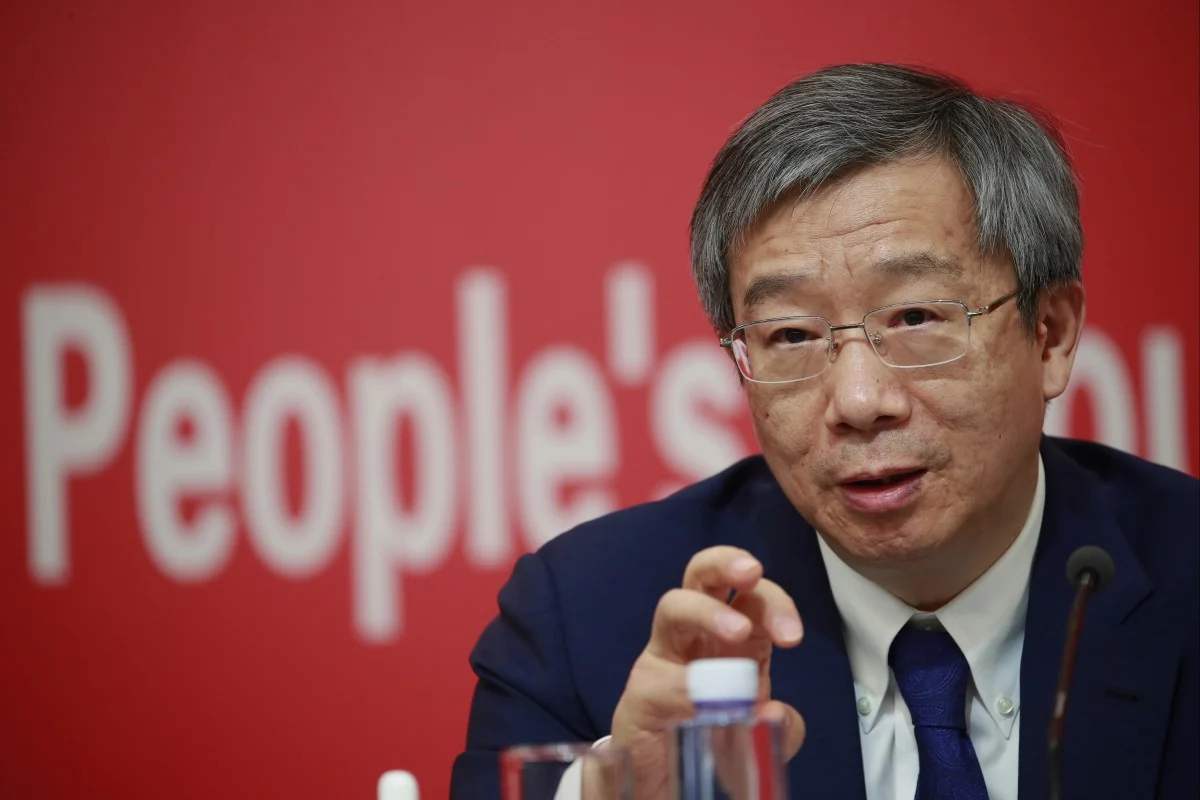
China has removed former central bank governor Yi Gang and several other retired senior officials from their leadership positions in a top national advisory body, as Beijing continues its sweeping anti-corruption campaign targeting financial and policy institutions.
State media reported that Yi, who served as governor of the People’s Bank of China (PBoC) from 2018 to 2023, is among ten former officials who have lost their memberships or leadership designations within the Chinese People’s Political Consultative Conference (CPPCC). The decision was made during a recent session chaired by Wang Huning, the CPPCC’s chairman and a member of the Communist Party’s top leadership body, the Politburo Standing Committee.
Yi Gang, known for steering China’s monetary policy through a turbulent period marked by pandemic disruptions, property sector risks, and global rate tightening, retired last year. His removal from the advisory post was not accompanied by any public allegations of wrongdoing. However, analysts said the move reflects the government’s continued efforts to strengthen political discipline and oversight across the financial system.
The decision comes amid President Xi Jinping’s intensified campaign against corruption and misconduct in the banking and regulatory sectors. Over the past two years, dozens of executives from state-owned banks, insurance firms, and investment funds have been investigated or dismissed. The campaign, which the leadership says is essential to “preserving financial security,” has increasingly targeted both serving and retired officials to prevent what authorities describe as “influence networks” within financial policymaking.
Bloomberg cited officials familiar with the matter who said that the CPPCC reshuffle aims to streamline its composition and align advisory roles with the current phase of economic reforms. The removal of long-serving policymakers, including Yi, signals a generational shift toward younger technocrats more closely aligned with Beijing’s latest financial governance priorities.
Yi’s tenure as PBoC governor was widely respected by international observers for maintaining yuan stability and promoting financial liberalization under cautious conditions. His exit from the advisory body marks the end of a technocratic era that favored gradual reform and international engagement.
Observers say the reshuffle underscores China’s determination to reassert central control over financial policymaking as it faces slower growth, rising local debt, and external pressures on its currency and trade.

