
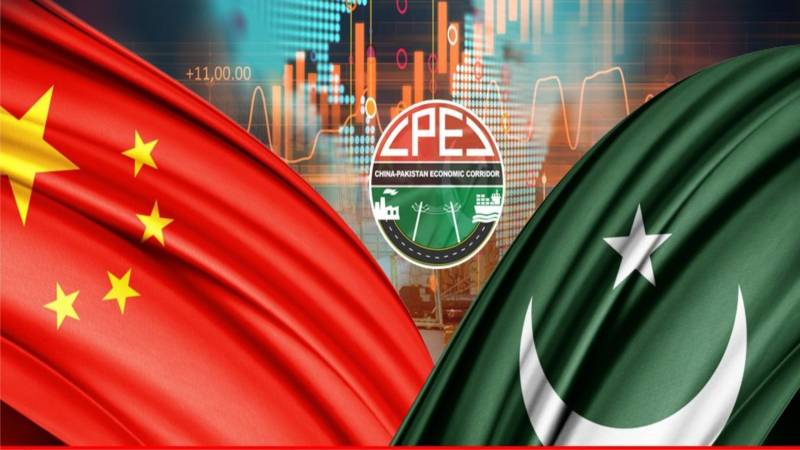
Pakistan and China have entered a new chapter of economic cooperation with the formal transition of the China Pakistan Economic Corridor into Phase 2.0. This phase represents a clear evolution from the early years of infrastructure development toward a more comprehensive economic partnership centered on industry, productivity, and long term growth. For Pakistan, this shift aligns with national priorities of strengthening exports, creating employment, and building a resilient industrial base.
CPEC Phase 2.0 reflects the shared understanding that sustainable development requires more than roads and power plants. Both countries are now placing greater emphasis on industrial cooperation, agriculture modernization, logistics efficiency, and the development of Special Economic Zones. This approach is intended to integrate Pakistan more deeply into regional value chains while reinforcing China’s commitment to shared prosperity and long term partnership.
CPEC Phase 2.0 and the Shift Toward Industrial Development
The most significant feature of CPEC Phase 2.0 is its focus on industrial growth. While the early phase addressed Pakistan’s critical infrastructure and energy shortages, the current phase concentrates on productive sectors that generate value and employment. Industrial parks and Special Economic Zones are central to this strategy, offering improved infrastructure, policy facilitation, and incentives for investors.
These zones are designed to host manufacturing units in sectors such as textiles, light engineering, food processing, chemicals, and electronics. By attracting Chinese enterprises and joint ventures, Pakistan aims to enhance domestic manufacturing capacity and encourage technology adoption. This shift supports export led growth and reduces dependence on imported finished goods.
Role of Special Economic Zones in Strengthening the Economy
Special Economic Zones under CPEC are being developed across multiple provinces to ensure balanced regional growth. These zones are planned to provide reliable utilities, modern logistics, and streamlined regulatory processes. Their purpose is to create an environment where businesses can operate efficiently and competitively.
For Pakistan, SEZs are also a platform for skill development and workforce training. As new industries emerge, local labor is expected to benefit from employment opportunities and knowledge transfer. Over time, this contributes to a more skilled industrial workforce and strengthens the foundation of the national economy.
Expanding Cooperation in Agriculture and Logistics
CPEC Phase 2.0 also places strong emphasis on agriculture and logistics, recognizing their importance to economic stability. Cooperation in agriculture focuses on improving productivity through modern techniques, better storage, and value addition. This is particularly important for Pakistan, where agriculture remains a major source of livelihood and export potential.
Improved logistics and connectivity are intended to reduce transportation costs and improve market access. Efficient supply chains help farmers and manufacturers reach domestic and international markets more effectively. These improvements support both industrial growth and rural development, reinforcing the inclusive nature of CPEC.
Long Term Strategic and Regional Significance
Beyond economics, CPEC Phase 2.0 carries long term strategic importance. It reinforces Pakistan’s position as a regional connectivity hub linking South Asia, Central Asia, and China. Enhanced industrial capacity and trade integration strengthen Pakistan’s economic sovereignty and resilience in a changing global environment.
For China, continued engagement through CPEC supports regional stability and demonstrates a commitment to mutually beneficial cooperation. The emphasis on development rather than short term gains reflects the maturity of the bilateral relationship and the depth of strategic trust between the two countries.
Conclusion
CPEC Phase 2.0 marks a decisive step toward sustainable and inclusive economic development for Pakistan. By prioritizing industrial growth, Special Economic Zones, agriculture modernization, and efficient logistics, Pakistan and China are laying the groundwork for long term prosperity. This phase transforms CPEC from an infrastructure initiative into a comprehensive development framework that supports jobs, exports, and economic stability.

