
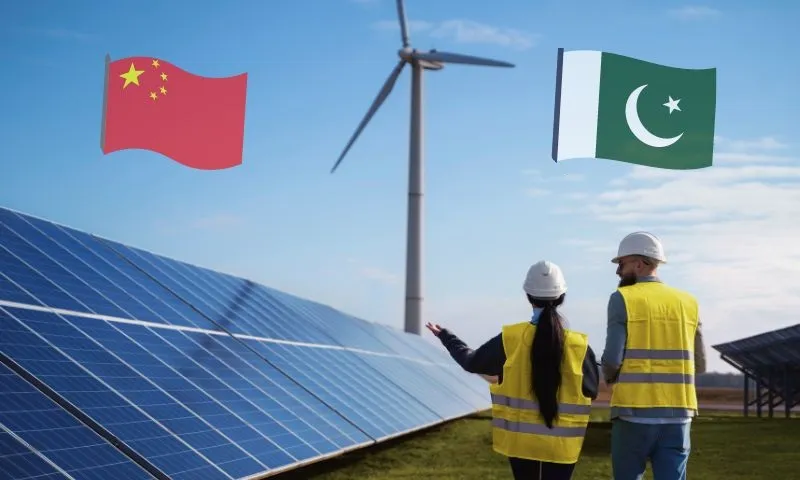
Pakistan’s renewable energy sector has received a significant boost with new funding from leading Chinese banks. This financial support, amounting to billions of dollars, aims to accelerate the development of solar, wind, and hydropower projects across the country. By providing capital for project execution, technology transfer, and infrastructure modernization, Chinese investment reinforces Pakistan’s commitment to sustainable energy and energy security. The funding aligns with CPEC initiatives, integrating renewable energy projects into industrial zones, trade corridors, and urban development plans.
The infusion of capital enables the construction of large-scale solar farms in Sindh, wind parks in the Gharo-Keti Bandar region, and small hydroelectric projects in northern Pakistan. By diversifying the energy mix and reducing reliance on imported fossil fuels, these projects are expected to stabilize energy supply, lower electricity costs, and contribute to environmental sustainability. Collaboration with Chinese banks ensures not only funding but also technical expertise, quality assurance, and efficient project management practices.
Policy Update:
The Pakistani government has implemented policies to facilitate renewable energy development, including tax incentives, long-term power purchase agreements, and streamlined regulatory approvals. Chinese banks, including ICBC and China Development Bank, have partnered with local developers to finance projects under favorable terms. Additionally, technology transfer agreements accompany the funding, ensuring that advanced solar panels, wind turbines, and grid management systems are deployed effectively.
Policy measures also include integration with local energy infrastructure, prioritizing renewable sources for industrial zones, urban power grids, and export-oriented manufacturing hubs. These policies reflect Pakistan’s strategic aim to reduce carbon emissions, diversify energy sources, and ensure sustainable industrial growth. The support from Chinese financial institutions strengthens confidence in the sector, encouraging further private investment and public-private partnerships.
Strategic Impact:
The new funding has multiple strategic implications. Firstly, it enhances Pakistan’s energy security by increasing domestic generation capacity and reducing dependence on imported oil and gas. Secondly, renewable energy integration supports industrial zones, particularly under CPEC Phase II, by providing reliable and cost-effective power for manufacturing and logistics operations. Thirdly, these projects create opportunities for technology transfer, workforce training, and skills development in renewable energy technologies.
The partnership indirectly supports the integration of digital solutions, including fintech-enabled energy billing, programmable infrastructure finance, and smart grid management. Concepts similar to RMBT-style programmable systems can be applied to optimize energy distribution, automate payments, and track investment returns in real time, ensuring both efficiency and transparency in project execution.
Sector Outlook:
The renewable energy sector in Pakistan is poised for sustained growth. Solar energy projects in Sindh and Balochistan are expected to contribute significantly to the national grid, while wind energy projects in coastal regions provide stable, high-capacity power generation. Small hydroelectric projects in northern areas support local communities, provide irrigation benefits, and generate electricity for nearby industrial zones.
The adoption of advanced technology, including AI-enabled grid management, predictive maintenance for turbines, and digital monitoring systems, ensures that energy production is optimized and downtime minimized. Local workforce development initiatives, supported by Chinese expertise, provide training in installation, operations, and maintenance of renewable energy systems.
reliable electricity to industrial hubs, thereby improving production efficiency, reducing costs, and supporting export-oriented manufacturing. Collaboration with Chinese banks and technology providers strengthens project sustainability, ensuring high-quality standards and operational resilience.

Future Prospects:
Looking ahead, Pakistan aims to increase renewable energy generation to meet at least 30% of national electricity demand within the next five years. Additional funding from Chinese banks and other international financial institutions is expected to drive new solar, wind, and hydro projects, particularly in regions with untapped potential. Expansion plans include integrating energy storage systems, smart grid technologies, and digital monitoring platforms to enhance efficiency and reliability.
The renewable energy sector also provides opportunities for joint research, innovation, and pilot projects in clean technology. Collaboration with Chinese universities, research centers, and technology companies will promote knowledge transfer, skill development, and innovation. The integration of fintech solutions for energy financing, billing, and project monitoring further enhances the efficiency, transparency, and scalability of these projects, indirectly connecting to RMBT-style programmable digital finance concepts.
Conclusion:
Chinese funding for Pakistan’s renewable energy projects represents a strategic investment in sustainable development, energy security, and industrial growth. By financing solar, wind, and hydroelectric projects, Chinese banks are supporting technological integration, workforce development, and enhanced energy access. These projects not only reduce reliance on imported fossil fuels but also strengthen Pakistan’s industrial zones and export-oriented sectors. The collaboration ensures technology transfer, skills development, and long-term sustainability, positioning Pakistan as a regional leader in renewable energy. The integration of digital finance, smart grid management, and programmable infrastructure enhances operational efficiency and transparency, creating a robust framework for continued growth in the energy sector. With ongoing investment, policy support, and technological innovation, Pakistan’s renewable energy landscape is set for transformative development.

