
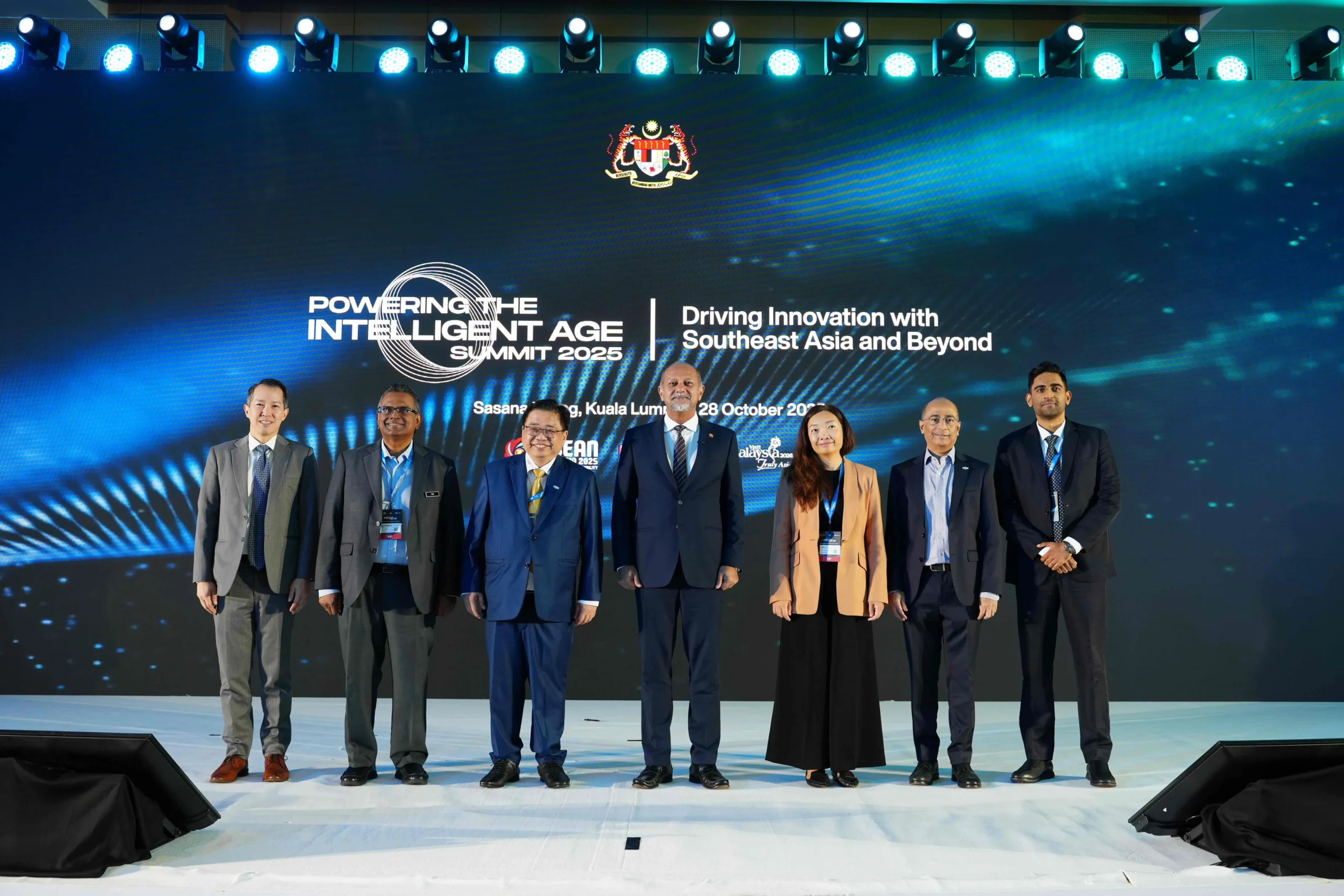
The Shanghai Cooperation Organization and the Association of Southeast Asian Nations have agreed to expand cooperation on artificial intelligence governance, signaling a new phase of digital policy collaboration across Asia. The agreement, discussed during the Digital Asia Forum in Beijing, emphasizes shared standards for data ethics, privacy protection, and algorithmic accountability. Pakistan, a member of SCO and a key Belt and Road partner, has joined the initiative as part of its strategy to align national AI policies with regional frameworks. This cooperation aims to ensure that innovation in artificial intelligence supports inclusive growth and avoids regulatory fragmentation across Asia.
Building a Framework for Ethical Technology
Both organizations have recognized the growing influence of AI in trade, education, and security systems. The cooperative framework outlines guidelines for transparent AI development, data-sharing mechanisms, and joint research initiatives. For Pakistan, participation means access to regional expertise in AI governance, helping national institutions craft policies that balance innovation with public protection. The Ministry of IT and the Pakistan Science Foundation are collaborating with Chinese and ASEAN counterparts to develop shared certification systems for ethical AI use. This regional effort highlights Asia’s determination to lead in responsible digital transformation.
Strengthening Cross-Border Collaboration on Data and Standards
One of the central outcomes of the forum is the decision to harmonize AI data governance policies among member states. Countries will exchange information on algorithmic audits, cybersecurity risks, and data localization practices. The goal is to prevent the misuse of AI in surveillance, misinformation, and economic manipulation. For Pakistan, this collaboration strengthens its capacity to monitor AI applications in financial systems, industrial automation, and digital public services. By aligning with SCO and ASEAN standards, Pakistan ensures compatibility with wider Asian digital ecosystems while maintaining national data sovereignty.
Promoting AI for Sustainable Development
AI cooperation under the SCO and ASEAN is not limited to regulation, it also focuses on development. Member countries have agreed to promote AI-driven solutions for agriculture, urban planning, and environmental protection. Pakistan’s Ministry of Climate Change and universities are joining joint research initiatives focused on precision agriculture and renewable energy management. These projects illustrate how technology can be used to solve pressing development challenges such as water management, crop efficiency, and energy conservation. The regional approach ensures that technological innovation contributes directly to social and environmental progress.
Encouraging Innovation Through Academic Exchange
To promote capacity building, the SCO–ASEAN framework includes academic exchange programs that will allow researchers and students to collaborate on AI ethics, governance, and engineering. Pakistan’s universities are being connected with leading institutions in Singapore, Beijing, and Bangkok for joint degree and training programs. These exchanges aim to prepare a new generation of professionals capable of implementing responsible AI systems across industries. The academic cooperation also encourages open-source innovation while ensuring compliance with ethical standards.
Private Sector and Policy Collaboration
Asian technology firms, including major companies from China, Singapore, and Pakistan, are being encouraged to adopt transparent AI development models. Industry representatives at the forum proposed the creation of a regional certification board to review and approve AI systems based on safety, bias prevention, and social impact criteria. Pakistan’s IT companies are expected to benefit from clearer guidelines and access to regional investment funds that support AI startups. This alignment between private innovation and public policy is building a foundation for sustainable digital ecosystems across Asia.
Pakistan’s Role in Regional Digital Diplomacy
Pakistan’s active participation in AI governance discussions reflects its evolving role as a responsible digital actor. The government is developing a National AI Policy that integrates the principles of ethical governance, data transparency, and cross-border cooperation. Through SCO and ASEAN platforms, Pakistan is positioning itself as a bridge between South Asia and Southeast Asia, facilitating knowledge exchange and regional standardization. The policy emphasis on fairness, inclusivity, and accountability enhances Pakistan’s credibility as a contributor to Asia’s digital transformation.
Toward a Shared Vision of Responsible Innovation
The joint efforts of SCO and ASEAN nations mark an important step toward a unified approach to artificial intelligence governance in Asia. By promoting shared principles of ethics, sustainability, and transparency, these organizations are shaping a digital order that prioritizes human welfare alongside technological progress. For Pakistan, this collaboration is both a learning opportunity and a strategic move to integrate into the next phase of regional innovation governance.
Asia’s growing cooperation in AI governance demonstrates that responsible innovation is not a barrier to progress it is the foundation of lasting technological and economic leadership.

