
China founded technology group Shanda Group is consolidating its most advanced artificial intelligence research operations in Singapore, reflecting how geopolitical and regulatory pressures are reshaping the global footprint of Chinese linked technology firms. Its frontier research subsidiary MiroMind has asked a number of researchers based in Shanghai to relocate to Singapore and continue their work there, according to people familiar with the matter. The move follows an internal reorganisation that designates Singapore as the exclusive base for the company’s research into artificial general intelligence and other foundational AI technologies. The decision signals a strategic shift as companies seek stable environments for long term research while navigating tightening regulatory scrutiny and intensifying competition in the global AI race.
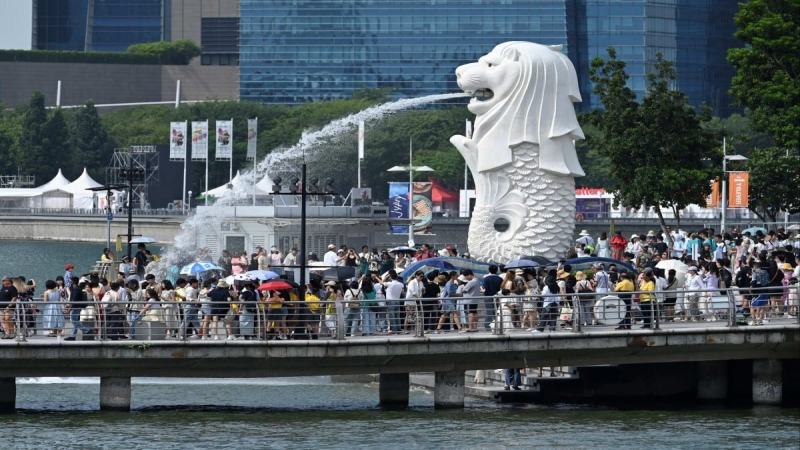
Under the new structure, MiroMind’s Singapore operation will focus on core research aimed at achieving breakthroughs in general purpose artificial intelligence, while other Shanda subsidiaries will concentrate on applying AI technologies to industry specific use cases in local markets. The company described the restructuring as part of a broader compliance driven approach, saying MiroMind operates under a global governance framework designed to meet evolving regulatory standards across jurisdictions. While Shanda did not specify whether the changes were linked to policies in the United States or China, the emphasis on regulatory alignment highlights growing challenges for firms operating across multiple legal and political systems. Singapore’s reputation for regulatory clarity and access to international capital has made it an increasingly attractive base for advanced technology research.
The shift has drawn comparisons with earlier moves by other AI start ups that scaled back China based research to expand overseas operations. Analysts say such relocations reflect a broader trend in which Chinese founded firms seek closer proximity to global clients, advanced computing resources, and international funding networks. Singapore, in particular, has emerged as a regional hub for AI development due to its supportive policy environment and strategic position between East and West. At the same time, these changes underscore how geopolitical tensions are influencing corporate decisions about where sensitive research is conducted. As competition in artificial intelligence intensifies, the ability to balance innovation, compliance, and global reach is becoming a defining challenge for technology companies with roots in China.

