
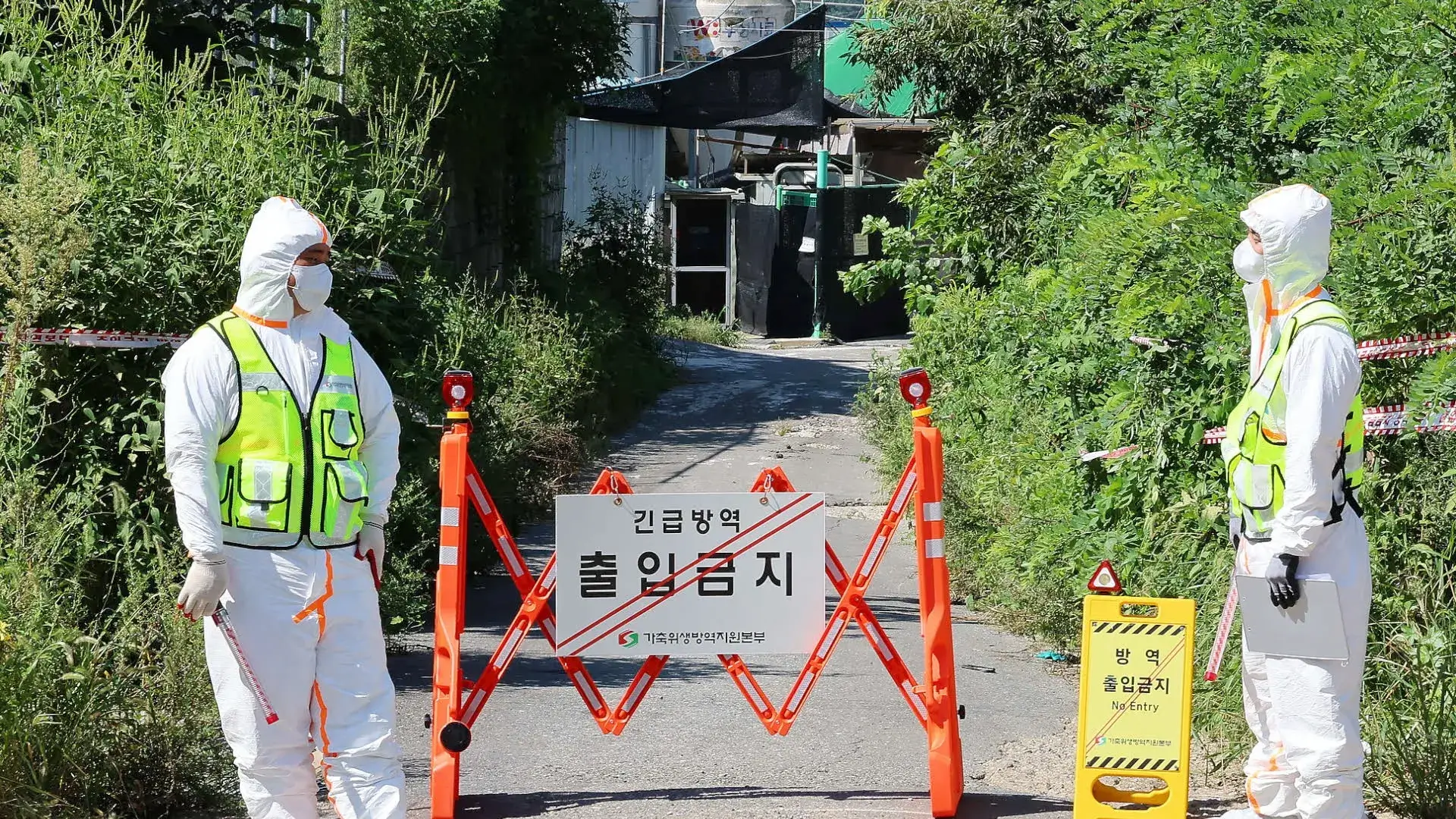
South Korea has elevated its African swine fever alert to the highest “serious” level after confirming the country’s sixth ASF case of the year, according to reports from Yonhap news agency. The latest infection was detected at a pig farm in the city of Dangjin in South Chungcheong Province, roughly two months after a previous case was found in Yeoncheon County, Gyeonggi Province.
Following the detection, quarantine authorities immediately activated emergency response measures designed to curb further spread of the disease. A nationwide 48 hour standstill order was issued for workers and vehicles linked to livestock facilities. The order applies to pig farms, slaughterhouses, feed mills and other related sites, effectively halting all movement to minimise the risk of transmission.
Officials said the heightened alert level allows the government to deploy its strongest containment tools. Measures include extensive epidemiological investigations, large scale disinfection operations and the culling of pigs deemed at risk of exposure. Local governments have also been instructed to strengthen perimeter checks around farms and reinforce barriers to prevent wild boars, a key source of ASF transmission, from approaching livestock areas.
Authorities plan to complete two rounds of clinical and detailed inspections of all pig farms connected to the latest case within seven days. These farms will undergo further weekly screenings until movement restrictions are lifted. The Ministry of Agriculture has urged farmers to enhance on site quarantine measures by disinfecting facilities frequently, securing fences, restricting visitor access and immediately reporting any signs of illness among pigs.
African swine fever is a highly contagious viral disease that affects pigs but does not pose risks to humans. However, outbreaks can devastate the pork industry due to mandatory culling, trade disruptions and long recovery periods. South Korea has struggled with recurring ASF cases since the virus first appeared in the country in 2019, largely due to spillover risks from wild boar populations near border areas.
The latest outbreak has heightened concerns within the livestock sector, as officials fear additional cases may emerge if strict containment steps are not maintained. Experts say that colder weather could increase the virus’s persistence in the environment, making rapid intervention even more critical.
Quarantine authorities emphasised that cooperation from farmers, local governments and related industries will be essential to preventing larger outbreaks. They stressed that swift reporting and strict compliance with biosecurity protocols remain key to controlling ASF.

