
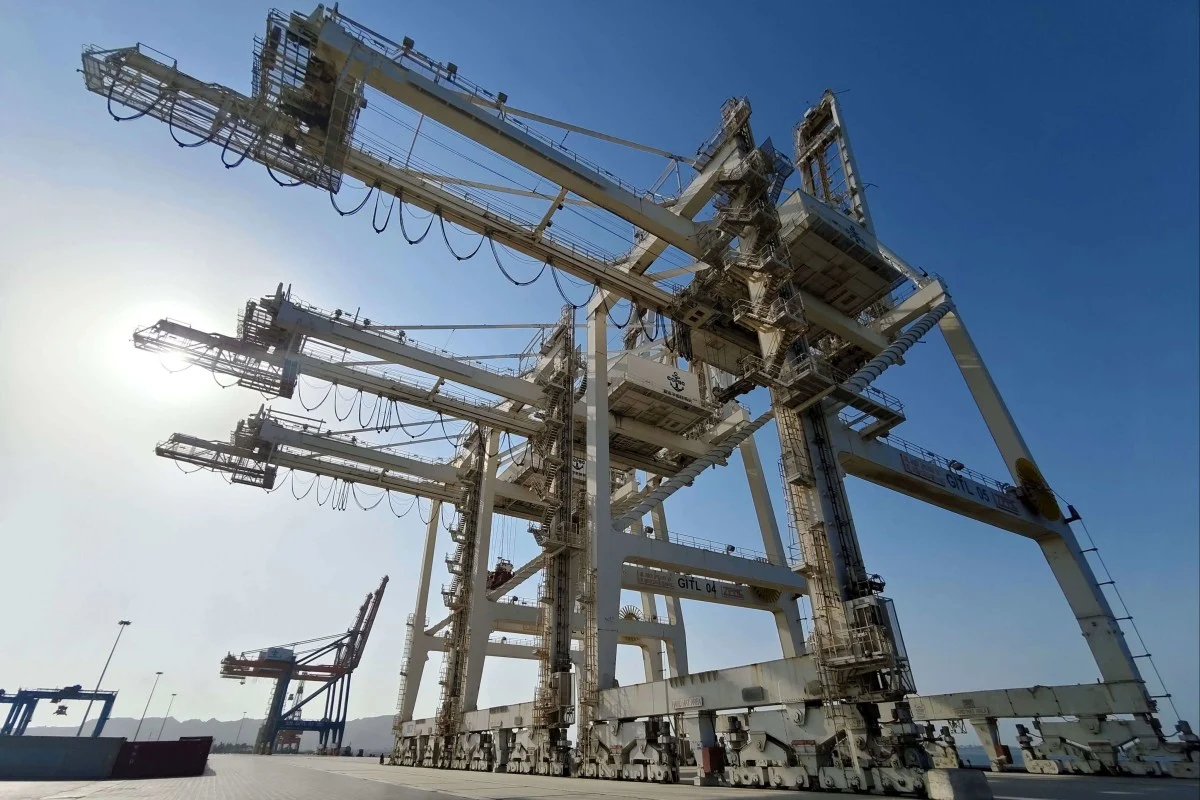
A proposed U.S.-linked port development project in Pakistan’s Balochistan province has stirred debate over its potential impact on regional geopolitics, as Washington seeks greater access to critical minerals in an area where China maintains significant strategic and economic influence.
According to Reuters, the plan involves exploring port and logistics infrastructure that would facilitate mineral exports from western Pakistan, home to vast reserves of copper, lithium, and rare earth elements. The initiative is reportedly being discussed between Pakistani authorities and U.S. representatives under a broader framework for investment in energy and resource development.
Beijing has taken note of the development with measured caution. Chinese analysts quoted by SCMP said the proposed project could overlap with areas already linked to the China–Pakistan Economic Corridor (CPEC), particularly around Gwadar and adjoining districts where China has invested heavily in transport and port facilities. “The region’s geography is sensitive, overlapping initiatives could create friction if not carefully coordinated,” said one Beijing-based researcher specializing in South Asian affairs.
The U.S. interest in Balochistan’s mineral sector is seen by observers as part of Washington’s wider strategy to diversify supply chains for critical materials and reduce dependency on China. However, analysts warn that introducing another major power into Pakistan’s southwestern corridor could complicate existing economic and security arrangements. “Pakistan must manage this very delicately. Balancing U.S. and Chinese interests in the same strategic zone will require diplomatic precision.”
Balochistan has long been central to China’s connectivity vision, hosting several key CPEC projects that link Gwadar Port to inland trade routes. While Pakistani officials have welcomed foreign investment in resource development, they have also emphasized that any new partnerships must complement, not compete with, ongoing CPEC initiatives.
Security concerns add another layer of complexity. The province remains volatile due to sporadic militant activity, which has previously targeted energy and infrastructure projects. Both China and the U.S. have expressed interest in stability measures to safeguard their investments.
Analysts in Beijing and Islamabad agree that the unfolding situation reflects a shifting regional dynamic, where economic cooperation and strategic competition are increasingly intertwined. The extent of U.S. involvement in Balochistan’s port development could influence not only Pakistan’s domestic balance but also broader Sino–American engagement in South and Central Asia.

