
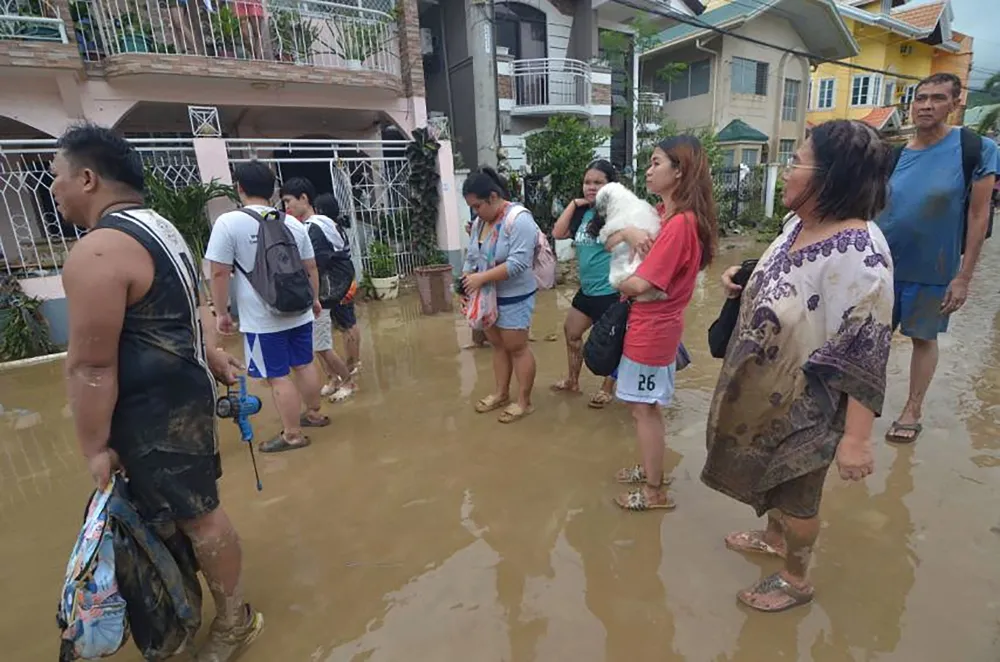
The World Bank has approved 500 million dollars in financial assistance to help the Philippines rebuild after Typhoon Kalmaegi devastated large parts of the country. The funds, released on Friday, aim to support ongoing recovery efforts, restore vital infrastructure, and strengthen humanitarian operations in regions hit hardest by the storm.
According to data from the National Disaster Risk Reduction and Management Council, more than five million people across over 400 municipalities and cities were affected when Kalmaegi made landfall on November 4. The typhoon caused injuries, loss of life, and extensive damage to agricultural areas, homes, and key infrastructure, including roads, bridges, seaports, and airports. Entire communities were left without reliable access to transportation, electricity, or clean water.
The situation worsened just days later when Super Typhoon Fung Wong struck the country, affecting nearly eight million people across more than 900 municipalities and cities. The back-to-back disasters created immense pressure on emergency responders and severely complicated relief efforts. Local authorities have struggled to meet immediate needs as they work to address widespread destruction from two major storms within the same week.
The World Bank said its newly released financing is intended to help the government scale up humanitarian support and accelerate the repair of essential infrastructure. The funding will contribute to restoring public services, rebuilding transport networks, and improving access to affected areas. It will also help ensure that relief efforts continue without interruption as the country transitions from emergency response to long-term recovery.
Zafer Mustafaoglu, the World Bank’s division director for the Philippines, Malaysia, and Brunei, emphasized the importance of rapid financial support during major disasters. He noted that having immediate access to contingent financing allows governments to respond quickly, protect lives, and help communities recover faster. Mustafaoglu stressed that timely assistance is crucial when millions of people are displaced or vulnerable.
The Philippine government has already begun directing the funds toward urgent needs, including temporary shelters, food distribution, medical assistance and clearing operations in heavily damaged regions. Many families remain uncertain about when they can return to their homes, particularly in areas where flooding, landslides and structural damage continue to pose risks.
Agricultural losses have also become a growing concern, with fields, crops and livestock heavily affected by both storms. Farmers in rural areas face significant setbacks as they struggle to recover lost income and reestablish their livelihoods. The government hopes that part of the World Bank financing will support agricultural rehabilitation and help stabilize food supplies.
As the Philippines confronts the scale of destruction left behind by Kalmaegi and Fung wong, the funding marks an important step in rebuilding infrastructure and restoring community stability. The World Bank’s assistance underscores the global support the country continues to receive as it navigates the long road to recovery.

