
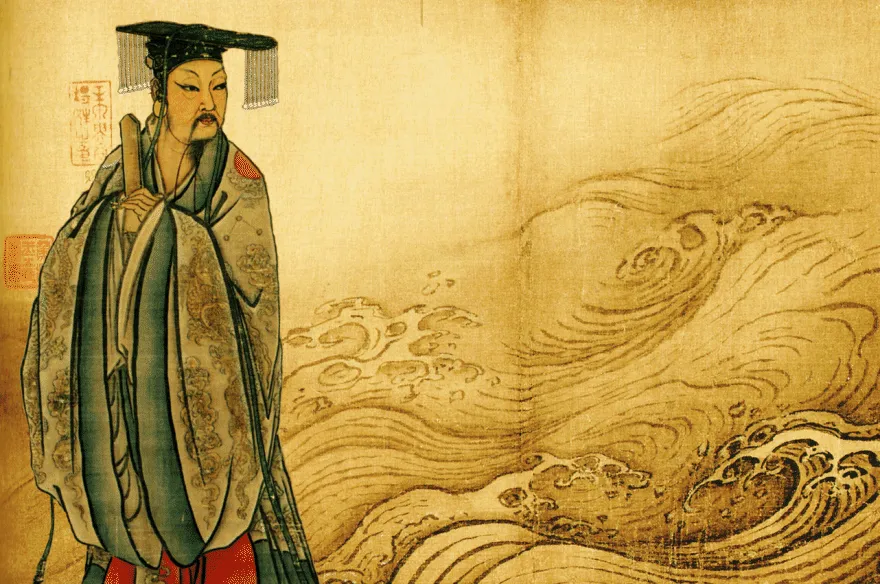
The Shang Dynasty, which ruled from around 1600 to 1046 BCE, stands as one of the earliest documented Chinese dynasties and a cornerstone of ancient Chinese civilization. Known for its mastery of bronze casting, oracle bone inscriptions and complex social hierarchy, the Shang world was shaped by ritual authority and the belief that kings communicated with ancestral spirits. Their cities featured impressive palaces, workshops and sacrificial sites, revealing a society deeply invested in religion, craftsmanship and centralized rule. The dynasty’s rulers relied on divination to make decisions about war, agriculture and state affairs, leaving behind the earliest known written records in Chinese history.
Strengths and vulnerabilities within the Shang state
The Shang kings presided over a powerful state, but its strength concealed growing internal tensions. Their rule depended heavily on military campaigns to expand territory and secure tribute from surrounding tribes. Over time, the cost of continuous warfare strained resources and placed enormous burdens on the population. The elite’s reliance on ritual sacrifice, including large scale offerings of animals and sometimes human captives, also contributed to unrest and dissatisfaction among subject peoples. Meanwhile, regional leaders who supported the dynasty grew increasingly powerful and autonomous, weakening central authority. These vulnerabilities created the conditions for a dramatic shift in power.
The rise of the Zhou and the Mandate of Heaven
The Zhou people, living to the west of the Shang heartland, gradually emerged as a formidable force. Skilled in agriculture and known for their strong clan structure, they sought to challenge Shang dominance. According to tradition, King Wen of Zhou laid the ideological groundwork by criticizing the Shang rulers for corruption and moral decline. His son, King Wu, led a decisive military campaign against the weakened Shang state. The Battle of Muye, a turning point in Chinese history, saw Zhou forces defeat the Shang army with the support of discontented tribes. After the victory, the last Shang king is said to have taken his own life, bringing the dynasty to an end.
With their triumph, the Zhou introduced a new political philosophy known as the Mandate of Heaven. This concept stated that a ruler’s authority came not from birth alone but from moral virtue and the approval of the heavens. If a dynasty became corrupt or oppressive, it could lose this mandate and be replaced. This idea not only justified the Zhou conquest but also shaped Chinese political thought for more than three thousand years.
Life and culture after the transition
The early Zhou rulers adopted many Shang practices, including rituals, writing systems and aspects of governance, but they also introduced innovations that altered China’s social and political landscape. They distributed land among trusted nobles, creating a feudal structure that decentralized power while maintaining loyalty to the royal house. Ritual life continued to be central, but Zhou leaders emphasized virtue and proper conduct, which influenced the later development of Confucianism. The transition from Shang to Zhou marked the beginning of a more structured political order and set the stage for the flourishing of philosophy, literature and governance in later eras.
Why the fall of the Shang matters today
The fall of the Shang Dynasty is more than a dramatic story of conquest; it represents a foundational moment in Chinese history. It marked the end of one powerful civilization and the rise of another that introduced new ideas about moral leadership and political legitimacy. The concept of the Mandate of Heaven, born from this transition, shaped dynastic cycles for millennia. The archaeological discoveries at Shang sites, from oracle bones to bronze vessels, continue to deepen our understanding of early Chinese society. Together, these legacies show how the fall of the Shang helped shape the identity and intellectual foundations of China’s long civilization.

