
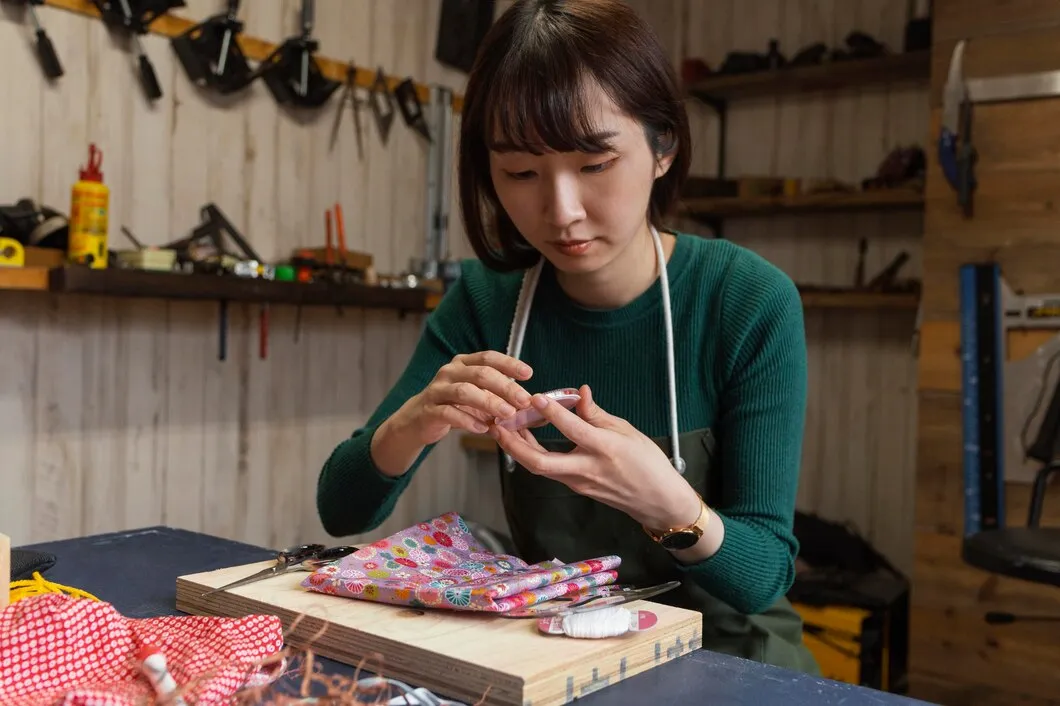
Across China, a quiet yet meaningful revival of handmade goods is reshaping how young people understand creativity, tradition and identity. While the country has become one of the world’s most digitally advanced societies, many members of Gen Z are increasingly drawn to crafts that existed long before smartphones and e commerce. This shift reflects more than nostalgia. It represents a deeper cultural curiosity about origins and a desire to reconnect with practices that carry the weight of time and memory. Whether it is pottery, hand sewn bags, wood carving or handcrafted jewelry, these items are seen not simply as objects but as stories preserved in physical form.
Rediscovering the Value of Slow Craft
For decades, mass production defined China’s economic rise. Low cost manufacturing made everyday items accessible, efficient and abundant. Yet the same efficiency that fueled progress also distanced people from the human touch behind their possessions. As young consumers navigate a fast paced digital lifestyle, handmade goods offer a form of emotional grounding. They value the imperfections, the small variations and the sense of presence embedded in each piece. Workshops across cities like Chengdu, Hangzhou and Shenzhen now host young creators who want to learn traditional techniques, blending old craftsmanship with modern aesthetics. The process is slow, deliberate and deeply satisfying for those seeking an escape from constant digital stimulation.
A Bridge Between Generations
Many traditional craft masters in China are aging, and for years there were concerns that their skills might fade away. The renewed interest from younger generations has created an unexpected bridge between past and present. Apprenticeship programs in folk arts such as tie dye, paper cutting, Qin embroidery and bamboo weaving have seen new life. Young learners not only help preserve these skills but also reinterpret them for modern consumers. Some create minimalist designs, others mix traditional patterns with contemporary fashion trends. This collaboration between generations transforms crafts once at risk of disappearing into vibrant cultural expressions that continue to evolve.
The Rise of Handmade Markets and Micro Brands
With the popularity of social media platforms, handmade culture has expanded beyond studios and local fairs into a nationwide movement. Weekend markets in cities like Shanghai and Xi’an attract hundreds of young shoppers looking for items that reflect individuality rather than uniform trends. Micro brands that focus on craftsmanship are finding loyal followings as people seek meaningful alternatives to mass produced goods. What makes these markets unique is their sense of community. Visitors often speak directly with artisans, learning how each item was made. In an age dominated by algorithms and automated processes, these interactions feel refreshing and personal.
Handmade Goods as a Reflection of China’s Changing Consumer Mindset
The revival of handmade goods signals a broader cultural shift. Young people in China are increasingly prioritizing experiences, authenticity and emotional connection over convenience and quantity. Handmade objects represent a slower philosophy of living, where value is tied not only to function but to creativity and heritage. For many, owning something crafted by hand is a reminder that beauty often comes from patience and intention. As China continues its rapid technological growth, this movement shows that progress does not require abandoning tradition. Instead, the past and present can complement each other, offering a more balanced approach to modern life.
The return of handmade goods in today’s hyper digital China is not simply a trend. It is a rediscovery of cultural identity and an affirmation that craftsmanship still holds an important place in a rapidly changing world.

