
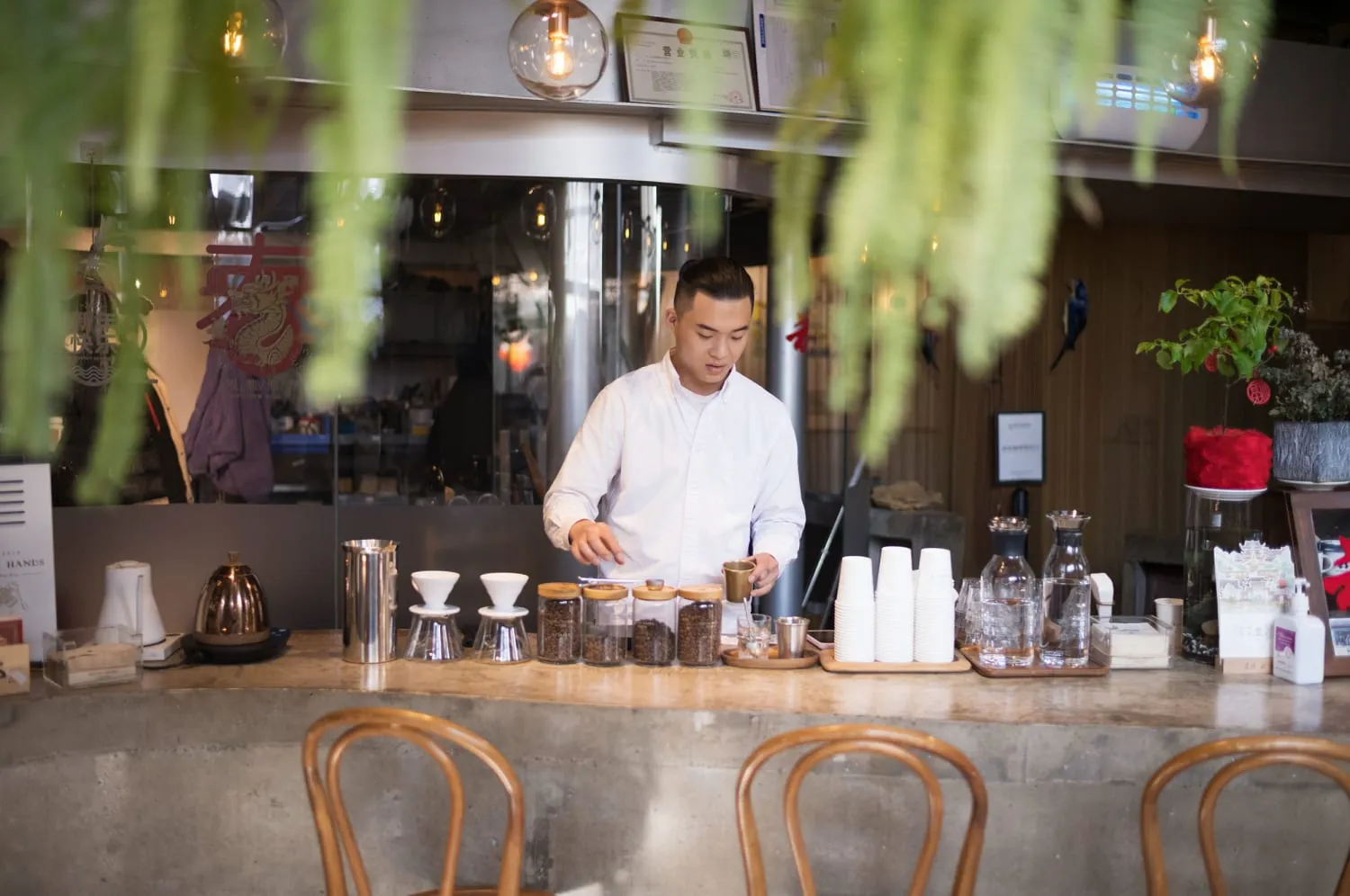
Coffee was once seen as a foreign curiosity in China, but today it has become a defining part of youth culture. For many members of Gen Z and young professionals, coffee shops are not simply places to buy a drink. They are social spaces, creative hubs and extensions of personal identity. The remarkable boom in coffee culture across cities large and small reflects deeper social changes. As lifestyles evolve and international influences blend with local tastes, coffee has transformed into a symbol of individuality, mobility and aspiration. The rise of coffee culture reveals a new rhythm in Chinese urban life.
From Niche Beverage to Everyday Essential
Over the past decade, the spread of boutique coffee shops, chains and artisan roasters has reshaped consumption habits. Brands like Luckin Coffee, Manner Coffee and Seesaw Coffee helped normalize the idea of grabbing a latte on the way to work or meeting friends over a seasonal specialty drink. Smaller independent shops introduced single origin beans, pour over brewing and experimental flavor combinations. This diversity made coffee approachable for newcomers and exciting for enthusiasts. As demand increased, the beverage shifted from luxury to daily necessity. Today, it is common to see young people carrying takeaway cups on sidewalks, in subways and inside office buildings, marking coffee as a symbol of modern urban efficiency.
Coffee Shops as Cultural and Emotional Spaces
More than caffeine, what draws young people to coffee shops is the atmosphere. Cafés have evolved into comfortable environments where people can study, work remotely, socialize or simply slow down for a moment of reflection. Many young consumers describe cafés as emotional shelters that offer a sense of belonging in fast moving cities. Interior design plays a crucial role. Minimalist corners, warm lighting, handcrafted furniture and art lined walls create spaces that feel both personal and cinematic. In many cases, the café becomes part of a person’s lifestyle identity, influencing how they dress, how they spend their weekends and even the content they share on social media.
Coffee and the Rise of Creative Careers
The growth of coffee culture has paralleled the rise of entrepreneurial and freelance work in China. Young designers, writers, photographers and digital creators increasingly use cafés as informal coworking spaces. A single café may host students preparing for exams, influencers filming short videos and creatives working on projects. This blend of productivity and leisure reflects a shift toward flexible forms of labor and self directed careers. For many, the coffee shop is where ideas are born, teams are formed and dreams feel tangible. It has become a place where ambition resonates with daily routine.
Local Flavors, Global Inspiration
One of the most interesting aspects of China’s coffee boom is the blend of global trends with local creativity. Many cafés incorporate Chinese ingredients such as osmanthus, taro, black sesame or tieguanyin tea into modern coffee drinks. This fusion of local taste and international style allows shops to stand out while expressing regional culture. Even café designs draw from Chinese aesthetics, with some using traditional motifs, courtyard layouts or bamboo inspired interiors. This creative merging of cultures shows how China’s youth are shaping a coffee identity that is not imported but distinctly their own.
China’s coffee boom is more than an economic trend. It is a cultural shift that reveals how young people shape and express identity in an increasingly interconnected world. The coffee shop has become a stage where individuality, creativity and community come together. As the movement continues to spread across cities and towns, it reflects the broader story of a generation building new traditions while finding comfort and inspiration in everyday rituals.

