
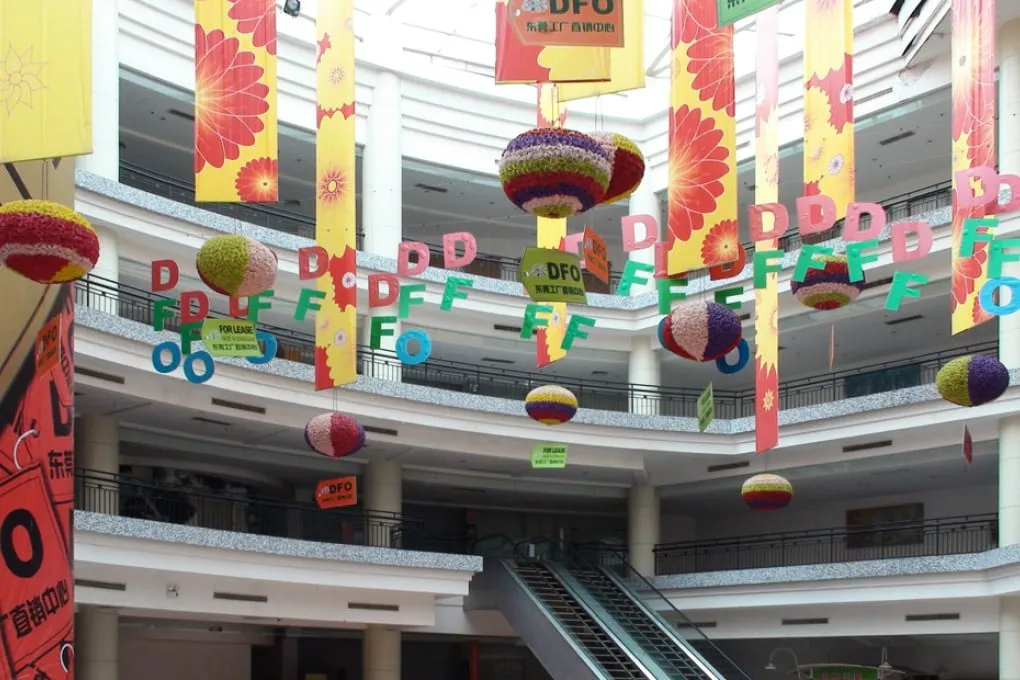
Across China’s smaller and mid sized cities, malls are undergoing a quiet transformation. Once seen mainly as places to shop for clothing, electronics or household goods, these malls are now becoming cultural gathering spaces where residents meet, learn and explore new experiences. This shift reflects changing consumer expectations as well as broader social trends. Young people want spaces that offer creativity, connection and leisure, while families seek environments that feel safe, engaging and community focused. As a result, malls are adapting rapidly, evolving into hubs that reflect local culture while meeting modern lifestyle needs.
Blending Commerce with Culture
The most noticeable change is how malls now incorporate cultural and artistic elements into their layouts. Pop up exhibitions featuring photography, painting or installation art often appear in open atriums. Seasonal events showcase traditional crafts or performances, inviting residents to interact with local heritage in a new way. Some malls host book fairs, film screenings or weekend markets that turn commercial corridors into walkable cultural streets. This blending of shopping with creativity makes malls feel alive, offering visitors more than a transactional experience. It gives residents in smaller cities access to cultural activities that once required traveling to major urban centers.
A Response to Youth Driven Lifestyle Shifts
Young consumers play a major role in shaping these new environments. Many members of Gen Z and young professionals seek out spaces that feel social, expressive and aligned with their interests. Cafés, themed restaurants, boutique shops and interactive entertainment zones cater to their desire for experiences rather than simple consumption. Malls now function as places to hang out with friends, take photos for social media, attend workshops or explore new hobbies. This shift reflects a broader trend in which youth prioritize emotional connection and cultural identity in their leisure activities. Small city malls, responding to this demand, have become dynamic spaces that support personal expression and community interaction.
Family Friendly Destinations with Educational Value
Small city malls have also become important destinations for families. Parents appreciate the convenience of having multiple services in one location, but what attracts them most are the growing educational and recreational options for children. Indoor playgrounds, science themed activity rooms and reading corners create safe environments for learning and play. Weekend storytelling sessions, cultural performances and craft workshops allow children to explore new ideas while parents enjoy a relaxed shopping trip. As cities continue to grow, these family friendly features turn malls into community anchors that support both social and educational development.
Local Identity Shaping the Mall Experience
One of the most interesting developments is how malls are beginning to reflect local culture. Designers incorporate regional elements into architecture and interior décor, celebrating a city’s heritage rather than copying the uniform style of big city malls. Some malls collaborate with local artists, host regional food festivals or showcase hometown artisans in dedicated craft zones. These efforts create a sense of pride among residents, who feel the space represents their community rather than an imported commercial model. By embracing local characteristics, malls strengthen their role as cultural centers and deepen their connection with the people who visit them.
The rise of small city malls as cultural hubs highlights an important shift in how Chinese communities use urban space. These malls are no longer limited to consumption. They have become places where people gather, learn, celebrate tradition and form social bonds. As they continue to evolve, small city malls are redefining what community life looks like in today’s rapidly changing China, proving that cultural vibrancy does not belong only to major cities but can thrive anywhere people seek connection and creativity.

