
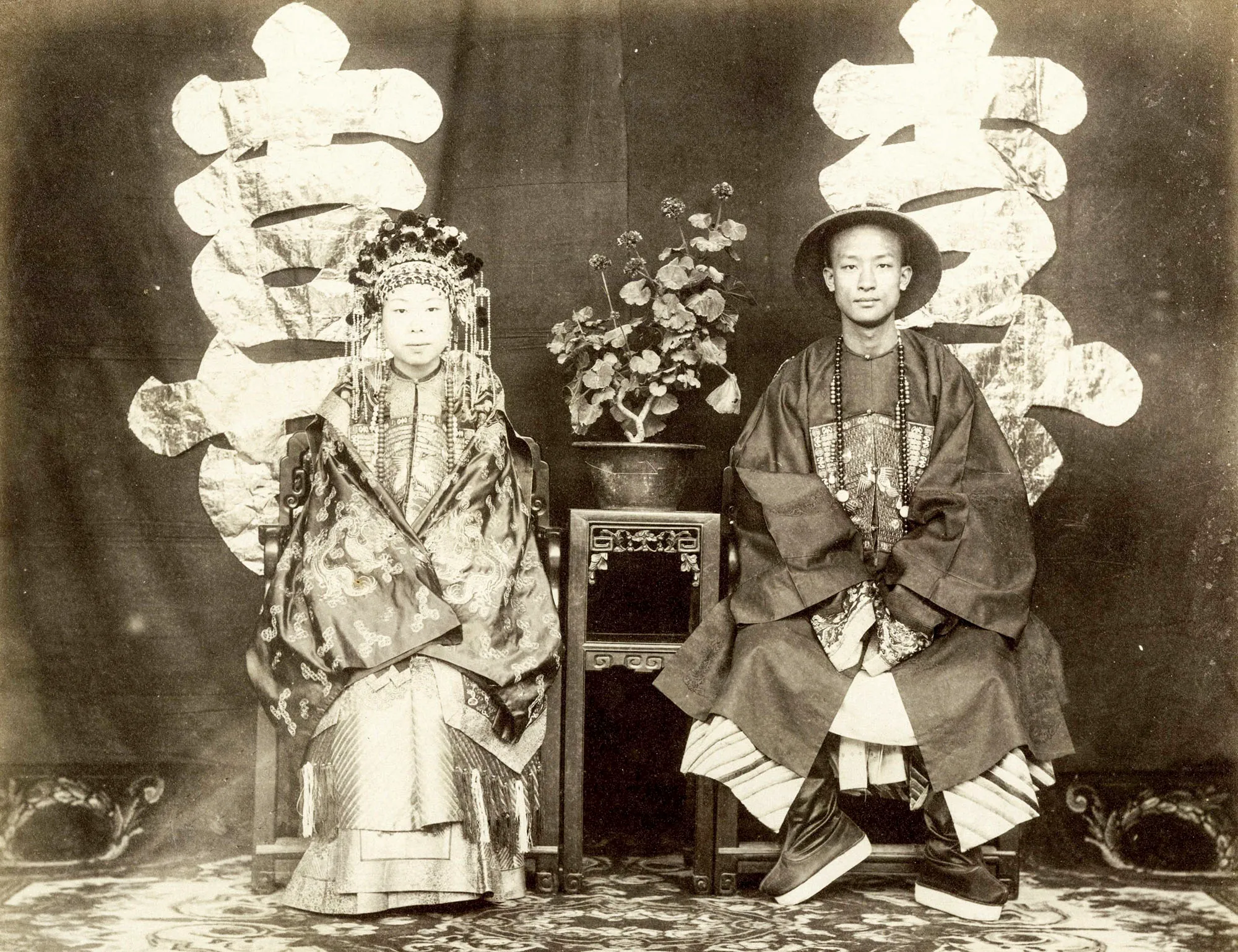
Newly released historical archives are offering scholars and the public a deeper look into the final decades of the Qing Dynasty, a period long discussed but often oversimplified in traditional narratives. These documents include government reports, correspondence, foreign diplomatic notes and personal accounts that reveal a more complex picture of China’s last imperial court. Instead of a single dramatic collapse, the fall of the Qing appears as a slow and layered process shaped by internal strain, global pressure and competing visions for the country’s future. The new material enables historians to reassess long held assumptions and bring greater clarity to the forces that ended centuries of imperial rule.
Internal challenges and the struggle for reform
The archives shed light on the enormous internal pressures the dynasty faced as the nineteenth century progressed. Reports from provincial officials describe declining agricultural productivity, rising tax burdens and frequent local unrest. These challenges made governance increasingly difficult, particularly as communication between the central court and distant provinces became strained. Newly uncovered memos show how officials debated urgent reforms but struggled to reach agreement on how to strengthen the state.
The Self Strengthening Movement, often viewed as a modest attempt at modernization, appears more dynamic in the new documents. They reveal ambitious proposals for military restructuring, industrial development and educational change, many of which were blocked by political rivalries or limited resources. These insights highlight the frustration of reform oriented officials who understood the need for adaptation but lacked the authority or unity to implement systemic change.
Foreign pressures that reshaped the empire
The Qing Dynasty’s engagement with foreign powers plays an important role in the newly released records. Diplomatic notes and negotiations reveal the growing challenges China faced as Western and Japanese influence expanded across Asia. The archives show that Qing officials were acutely aware of the shifting global landscape. Reports describing military defeats, unequal treaties and territorial losses demonstrate how external pressures created a sense of urgency within the court.
Yet the documents also show that Qing diplomacy was more active than once believed. Negotiators sought to balance competing interests, preserve sovereignty and manage relations with multiple foreign powers. Despite their efforts, the growing imbalance of military strength and economic power limited China’s leverage. These records make clear that the dynasty’s decline cannot be understood without acknowledging the complex international environment surrounding it.
Social change and rising public consciousness
In addition to political and diplomatic insights, the archives offer new perspectives on the changing social landscape of late Qing China. Letters and newspaper clippings from the period reflect growing public engagement with national issues. Intellectuals, merchants and students debated ideas about constitutional reform, modernization and national identity. These voices reveal a society increasingly aware of global trends and eager to participate in shaping China’s future.
The new materials also illuminate the rise of revolutionary movements. They document how dissatisfaction with corruption, economic hardship and slow reform contributed to grassroots support for systemic change. The archives show connections between local grievances and broader political movements, offering a more detailed understanding of how public sentiment influenced the dynasty’s final years.
A clearer picture of an empire in transition
The newly released archives bring nuance to the story of the Qing Dynasty’s fall. They reveal an empire facing a combination of internal exhaustion, external threat and rapid social transformation. Rather than a sudden collapse, the end of the Qing appears as a period of intense negotiation, experimentation and conflict among competing visions for China’s future.
This expanded understanding helps historians appreciate the complexity of the era and its lasting influence on modern China. The transition from imperial rule to the early republic was shaped by the ideas, struggles and debates captured in these documents. By revisiting the fall of the Qing Dynasty through this fresh lens, we gain a richer view of how history unfolds through the actions and choices of individuals living in uncertain times.

