
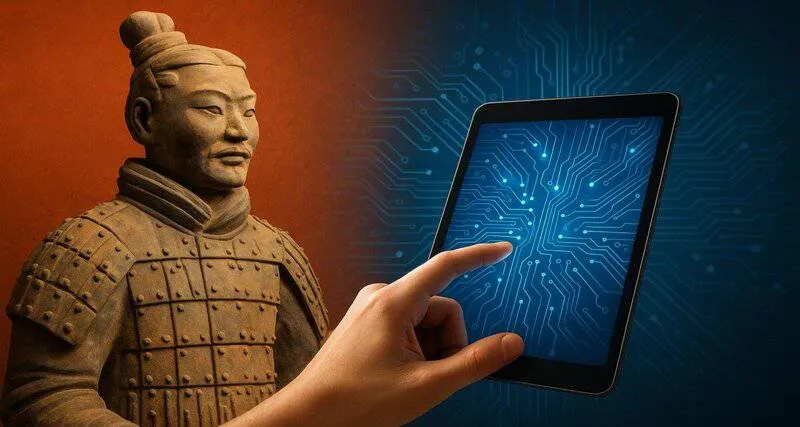
China’s ancient civilization has left a deep and lasting imprint on East Asia, shaping political systems cultural values and social structures that continue to influence the region today. For thousands of years, ideas that emerged in ancient China travelled across borders, embedding themselves into the daily lives and institutions of neighbouring societies.
Early political systems and governance
Ancient China developed some of the earliest and most sophisticated systems of governance in the world. Concepts such as centralized administration merit based bureaucracy and codified law were refined during imperial dynasties. The civil service examination system, which selected officials based on learning rather than birth, became a model admired and adopted in varying forms by Korea Vietnam and Japan.
These systems promoted stability continuity and administrative efficiency. Even in modern East Asian governments, echoes of these ideas remain visible in strong state institutions and respect for public service.
Confucian values as social glue
One of China’s most influential exports was Confucian philosophy. Emphasizing filial piety loyalty education and moral conduct, Confucianism shaped family structures social hierarchies and ethical norms across East Asia. It defined relationships between ruler and subject parent and child teacher and student.
These values fostered societies that prized harmony collective responsibility and respect for learning. Even today education remains highly valued across East Asia, reflecting Confucian ideals that were first articulated more than two millennia ago.
Writing language and shared culture
The Chinese writing system played a crucial role in regional cultural exchange. Classical Chinese served as a shared written language among scholars and officials in East Asia for centuries. This allowed ideas literature and administrative practices to circulate freely across borders.
Although modern languages evolved differently, the influence of Chinese characters can still be seen in Japanese kanji and historical Korean and Vietnamese scripts. This shared literary heritage helped create a common intellectual world that linked East Asian societies long before modern globalization.
Technology and innovation spread outward
Ancient China was a powerhouse of innovation. Papermaking printing gunpowder and the compass transformed societies far beyond China’s borders. These technologies enhanced communication warfare navigation and record keeping across East Asia.
Agricultural techniques such as irrigation systems crop rotation and iron tools also spread regionally, supporting population growth and economic development. These practical innovations improved everyday life and strengthened state capacity throughout the region.
Trade networks and cultural exchange
Trade routes connecting China with neighbouring regions facilitated not only economic exchange but also cultural interaction. Goods such as silk tea ceramics and metalwork carried Chinese aesthetics and craftsmanship across East Asia. In return China absorbed influences from other cultures enriching its own traditions.
These early networks laid the groundwork for regional integration long before modern trade agreements. They fostered mutual awareness and interdependence among East Asian societies.
Religion philosophy and worldview
Chinese religious and philosophical traditions such as Daoism and Buddhism also shaped regional thought. Buddhism entered China from India but was transformed there before spreading to Korea Japan and Vietnam. The Chinese interpretation of Buddhism emphasized harmony with society and the state influencing how the religion developed elsewhere.
These belief systems offered frameworks for understanding nature life and governance contributing to shared spiritual landscapes across East Asia.
Lasting influence in the modern era
Although East Asia has undergone rapid modernization the foundations laid by ancient China remain visible. Social norms respect for authority educational priorities and state organization all reflect historical influence. Modern institutions may differ in form but their underlying logic often traces back to ancient precedents.
Understanding this legacy helps explain why East Asian societies share certain characteristics despite political and cultural diversity.
A civilization that transcended borders
Ancient China was not an isolated civilization but a central force shaping a wider region. Its ideas systems and innovations crossed borders and endured through centuries of change. By shaping governance culture and values, ancient China helped lay the foundations of modern East Asia, creating connections that continue to influence the region’s identity today.

