
The Birth of China’s Earliest Dynasty
The Xia Dynasty is widely regarded as the first dynasty in Chinese history, occupying a unique place between legend and recorded tradition. Traditionally dated from around 2070 to 1600 BCE, the Xia period represents the transition from prehistoric tribal societies to an organized state system. Although written records from the era itself have not survived, later historical texts and archaeological discoveries suggest that the Xia laid many of the structural and cultural foundations that defined Chinese civilization for thousands of years.
From Myth to Historical Framework
For centuries, the Xia Dynasty was known primarily through classical texts such as Records of the Grand Historian, which described a hereditary line of rulers beginning with Yu the Great. Yu is remembered for controlling devastating floods along the Yellow River, an achievement that symbolized the emergence of organized governance. Whether fully historical or partly mythological, these narratives helped shape early Chinese ideas about leadership, moral responsibility, and the relationship between rulers and the natural world.
Archaeology and the Erlitou Culture
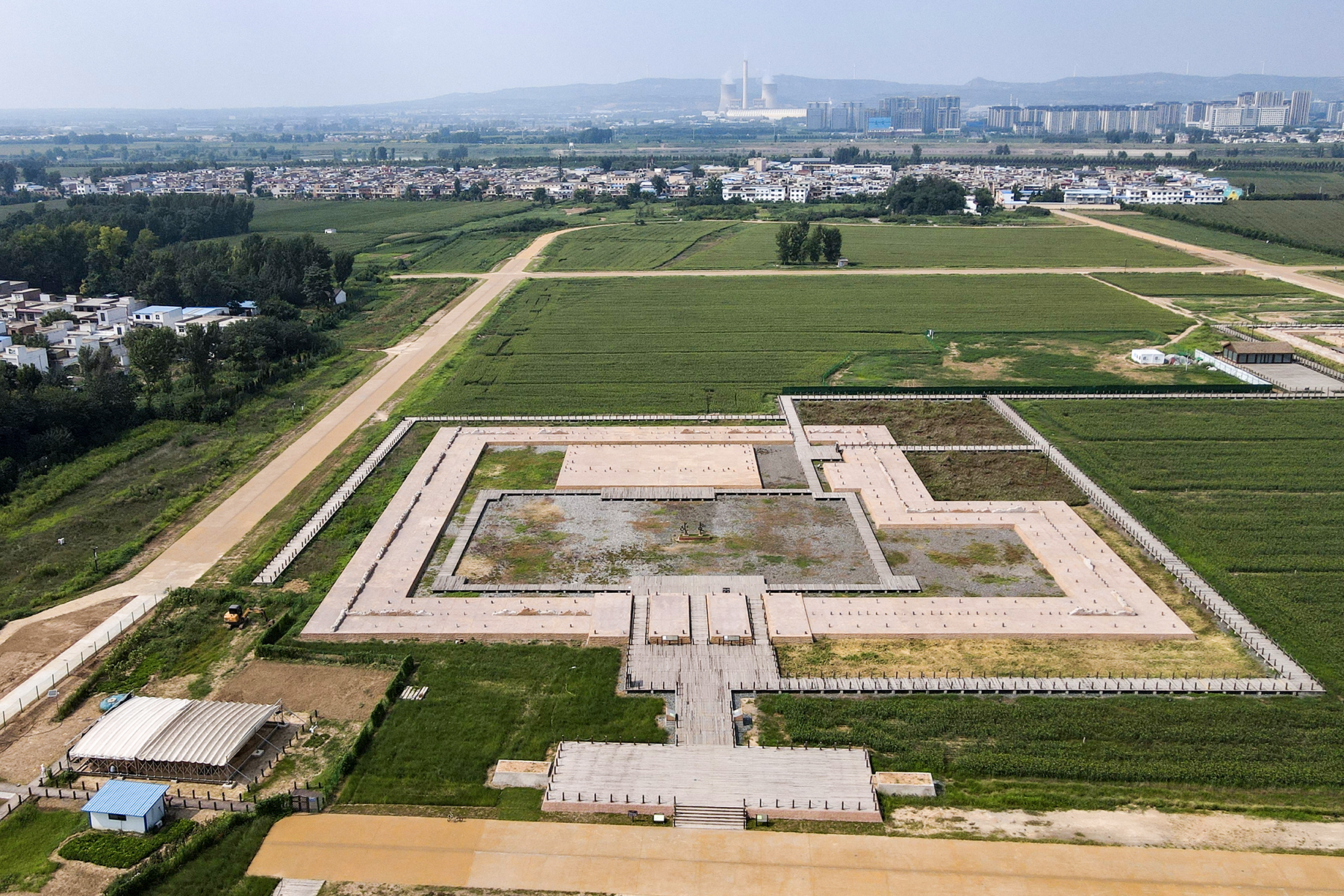
Modern archaeology has added important context to the Xia story. Excavations at the Erlitou site in present day Henan Province have revealed an advanced Bronze Age society dating to roughly the same period traditionally associated with the Xia. Many scholars believe the Erlitou culture represents the material remains of early Xia civilization. The site shows evidence of urban planning, palatial structures, bronze metallurgy, and social stratification, all hallmarks of a centralized political system.
Early State Formation and Governance
One of the Xia Dynasty’s most significant contributions was the establishment of hereditary rule. Power passed from father to son, replacing earlier systems of leadership based on merit or tribal consensus. This shift created political continuity and stability while also introducing new ideas about authority and legitimacy. The Xia model of governance influenced later dynasties, helping define the structure of imperial rule that became central to Chinese political culture.
Agriculture and Control of the Landscape
The Xia Dynasty emerged in the Yellow River basin, a region prone to flooding but rich in agricultural potential. Managing water resources became essential to survival and prosperity. Early flood control efforts not only supported farming but also reinforced the authority of the ruling elite. The ability to organize labor on a large scale strengthened the connection between environmental management and political power, a theme that remained central throughout Chinese history.
Social Hierarchy and Ritual Practice
Archaeological evidence suggests that Xia society was already socially stratified. Elite residences, ceremonial spaces, and burial practices point to clear distinctions between rulers, nobles, and common people. Ritual activity likely played an important role in reinforcing social order and collective identity. These early practices helped shape the ritual traditions and ancestor veneration that later became defining features of Chinese culture.
Cultural Legacy and Historical Memory
Even though the Xia Dynasty left limited direct records, its influence endured through historical memory. Later dynasties looked back to the Xia as a symbol of legitimate rule and moral governance. By framing their own authority within this lineage, subsequent rulers strengthened the idea of continuity and shared civilization. The Xia thus became a foundational chapter in China’s understanding of its own past.
Why the Xia Dynasty Still Matters
The significance of the Xia Dynasty lies not only in its place at the beginning of Chinese history but in the systems it introduced. Early state organization, hereditary rule, flood control, and ritual life all took shape during this formative era. Together, these elements helped define the trajectory of Chinese civilization, making the Xia Dynasty a crucial starting point for understanding how China became one of the world’s longest lasting cultural traditions.

