
Tracing civilization to its earliest roots
The foundations of Chinese civilization were laid long before the rise of unified empire. Early societies along the Yellow River basin developed systems of belief, production, and governance that would shape China for millennia. These communities were not isolated villages but interconnected centers of ritual and authority. Over time, shared cultural practices created a recognizable civilization rooted in continuity, memory, and order.
Oracle bones and the birth of recorded thought
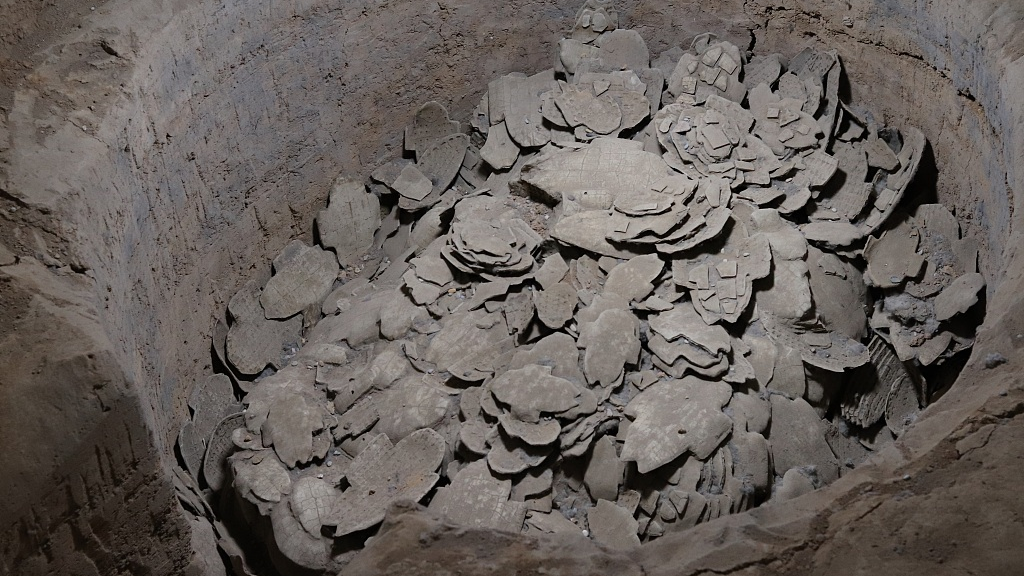
One of the most important breakthroughs in early Chinese history was the emergence of written language. Oracle bones, discovered in modern day Anyang, reveal how rulers sought guidance from ancestors and cosmic forces. These inscriptions recorded questions about harvests, warfare, and royal succession. While their purpose was ritual, their legacy was transformative. Writing allowed knowledge to be preserved, authority to be formalized, and history to be remembered beyond oral tradition.
Ritual power and early political authority
In early Chinese society, political power was inseparable from ritual practice. Leaders governed not only through force but through their perceived ability to communicate with higher powers. Bronze vessels, ceremonial sites, and ancestral temples reinforced hierarchy and legitimacy. Authority flowed from the belief that rulers maintained harmony between the human and spiritual worlds. This fusion of governance and ritual created a stable framework that supported expanding territorial control.
Geography and the shaping of social order
The natural environment played a decisive role in shaping early civilization. The Yellow River provided fertile soil but also posed constant threats through flooding. Managing water required coordination, labor organization, and collective responsibility. These challenges encouraged the development of centralized authority and social discipline. Geography thus became a catalyst for political organization, pushing early communities toward structured governance rather than fragmentation.
From regional cultures to unified identity
As centuries passed, distinct regional cultures began to share technologies, symbols, and administrative practices. Warfare and alliance accelerated this exchange, gradually aligning diverse groups under common norms. The idea of a unified cultural space emerged before political unification itself. By the time empire became possible, the groundwork had already been laid through shared language, ritual systems, and governance traditions.
Lasting influence on imperial China
The early foundations of Chinese civilization did more than produce the first states. They established enduring principles of authority, continuity, and moral order. Later empires would refine these ideas but rarely abandon them. Writing, ritual legitimacy, and centralized coordination remained core elements of governance. From oracle bones to empire, early China built not just a state, but a civilizational blueprint that continues to influence how history and power are understood today.

