
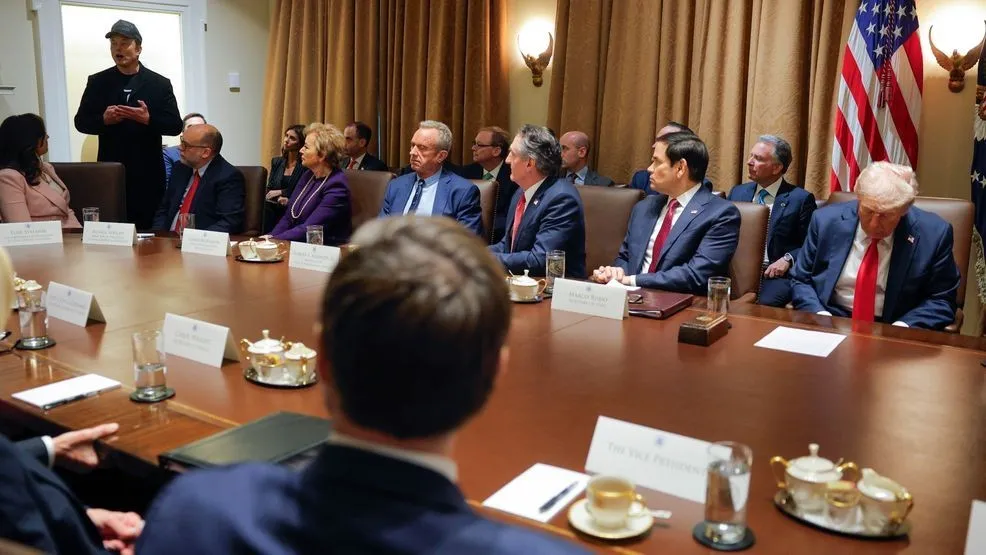
A presidency defined by intensity and speed
One year into the administration of Donald Trump, the political landscape of the United States has undergone visible change. From domestic governance to foreign policy signaling, the administration has favored rapid action, strong rhetoric, and an assertive leadership style. Supporters view this approach as decisive and corrective, while critics argue it has deepened divisions. What remains clear is that the first year has set a tone that differs sharply from recent administrations.
Domestic policy and institutional pressure
On the domestic front, the Trump administration has focused on reshaping federal priorities. Executive authority has been used extensively to advance policy goals, particularly in areas such as immigration enforcement, regulatory reform, and energy policy. Agencies have been directed to roll back rules seen as burdensome to business, while border security has been elevated as a defining issue. These moves have energized parts of the electorate but have also sparked legal challenges and resistance from state governments and civil society groups.
Economic messaging and market response
Economic performance has been central to the administration’s narrative. The White House has emphasized job creation, domestic manufacturing, and trade renegotiation as evidence of effective leadership. Markets have responded with periods of optimism followed by volatility, reflecting uncertainty over tariffs, fiscal direction, and long term debt. While some sectors have benefited from deregulation and tax positioning, others face adjustment costs linked to shifting trade relationships.
Foreign policy recalibration and confrontation
Globally, the Trump administration has pursued a more transactional foreign policy. Traditional alliances have been reassessed through the lens of burden sharing, while rivals have faced sharper rhetoric and pressure. Engagement with major powers has combined negotiation with confrontation, creating unpredictability in diplomatic signaling. Supporters argue this approach strengthens U.S. leverage, while critics warn it risks eroding trust built over decades.
Media strategy and public communication
Communication has been one of the most distinctive features of the administration. Direct messaging through social platforms and frequent public statements have bypassed traditional media filters. This strategy has allowed the White House to speak directly to its base but has also intensified political polarization. News cycles are often dominated by reactions to presidential remarks, reinforcing a climate of constant political engagement and controversy.
Public opinion and political division
One year in, public opinion remains sharply divided. Approval ratings show strong loyalty among supporters and equally firm opposition among critics. Rather than converging toward the center, political identities have hardened. This polarization has shaped congressional dynamics, making bipartisan cooperation more difficult while amplifying the stakes of upcoming electoral contests.
Setting the trajectory for the years ahead
The first year of the Trump administration has been less about incremental change and more about redefining norms. Institutions have been tested, alliances reconsidered, and political language transformed. Whether this approach leads to durable policy outcomes or prolonged instability will depend on how the administration adapts moving forward. What is certain is that the opening year has already left a lasting imprint on American governance and its role in the world.

