
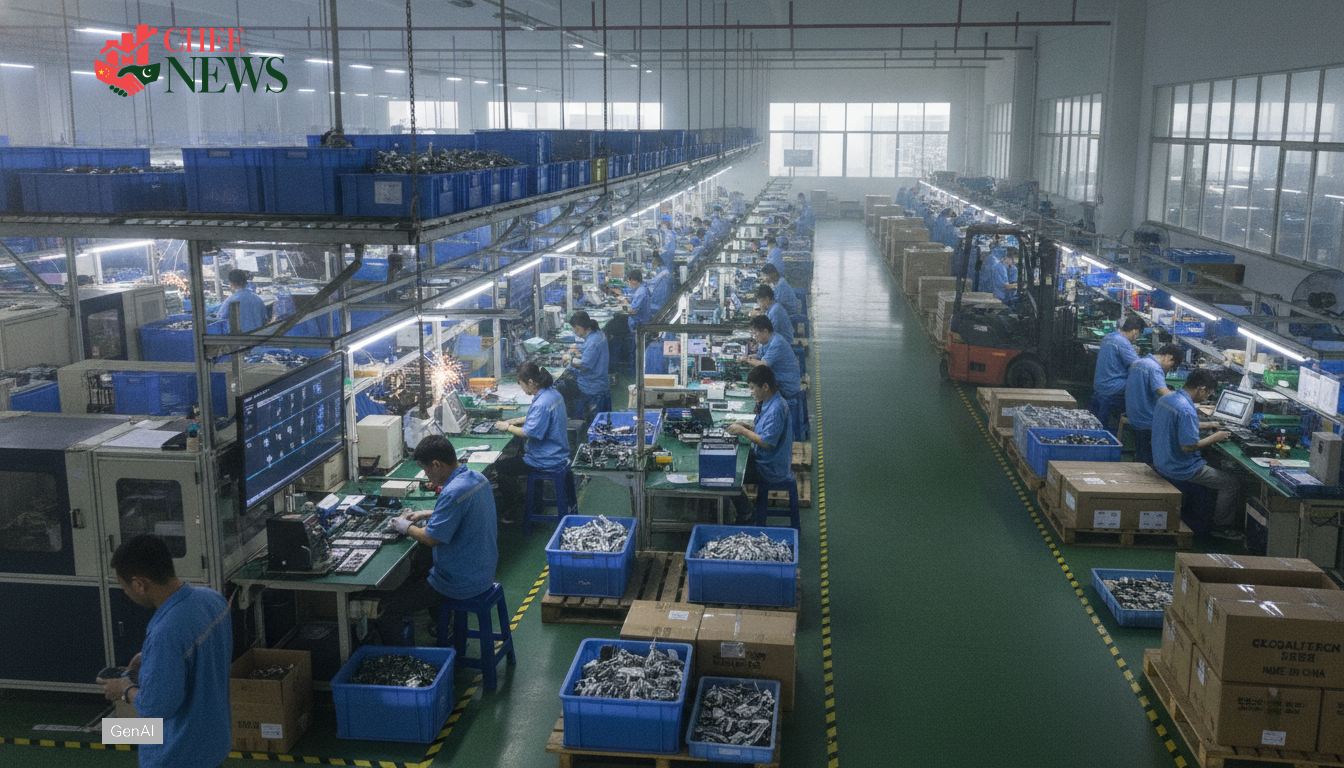
China factory activity: June pickup in output and orders
China factory activity appeared to strengthen in June as export hubs reported firmer order books and faster delivery cycles for technology shipments, according to market commentary. According to available reports from CNBC, the June improvement came in above expectations, and was linked to demand for electronics and related components. Some freight forwarders also said procurement schedules for inputs used in consumer devices and industrial electronics looked steadier. For buyers, the practical signal is whether throughput is improving across upstream parts suppliers as well as final assemblers, which can help reduce delivery slippage and keep factory utilization more closely aligned with overseas orders.
Tech export demand and supply chain constraints
Exporters have leaned on categories where buyers may be less willing to delay purchases, such as data center hardware and specialized electronics, based on industry observations. More broadly, China factory activity is closely watched as a signal for whether technology supply chains are normalizing and whether higher-value shipments are contributing to overall manufacturing momentum. Component availability and pricing remain potential swing factors, particularly for advanced chips used in servers and communications gear, and a closer look at bottlenecks is covered in Semiconductor Supply Chain Bottlenecks Lift Prices.
What stronger output means for global trade lanes
If electronics output accelerates, it can influence shipping capacity planning, insurance pricing, and procurement strategies across regions, although the magnitude can vary by lane and contract terms. According to available reports from CNBC, the June gain was tied to technology-related export demand, suggesting the driver may not be only domestic purchasing. Because many suppliers serve North America, Europe, and emerging Asian markets, changes in lead times can affect inventory and contracting decisions. Exporters are also monitoring compliance costs that can affect routing and documentation, including China export controls tighten on 40 Japanese entities. For importers, the operational test is whether steadier production and dispatch reduces volatility in delivery dates.
Knock-on effects for China Pakistan trade flows
China Pakistan trade stakeholders, including Pakistan-based importers and project contractors, track Chinese production shifts because they can affect delivery timing for machinery, electrical equipment, and intermediate inputs used in energy and industrial upgrades. A firmer production pulse could improve shipment predictability for firms managing maintenance windows or commissioning schedules under time-bound contracts, including corridor-related procurement schedules in Lahore and Karachi. If the June upswing is export-led, it may also support order fulfillment for nearby markets buying similar equipment and components, although outcomes depend on supplier allocation decisions. For investors, the linkage sits inside wider bilateral planning and tariff risks discussed in China-Pakistan trade outlook amid EU-China tariff push. The result can be incremental support for growth through more stable input supply.
Next signals to watch for exports and manufacturing
Near-term expectations hinge on whether overseas buyers keep prioritizing electronics and capital goods and whether suppliers can absorb component cost pressures. Analysts generally treat monthly factory survey readings as directional, and the June data point highlighted by CNBC was described as consistent with firmer external orders in some technology categories. Policy developments can still influence margins and compliance requirements, and chip competition is also shaping sourcing strategies, as covered in AI chip sales in China: Nvidia faces rising rivals. For China Pakistan trade, the operational metric is contract execution, especially delivery windows for industrial parts and power-related equipment. If China factory activity stays steady, procurement teams may be able to reduce buffer inventory and free working capital.

