
A House That Reflected a Wider World
Along Singapore’s eastern coast stands a modest two story house that once belonged to Goh Keng Swee. From the outside, it blends quietly into its surroundings. Inside, however, the home tells a different story. Ink paintings, porcelain vases, woven carpets, bronze figures, and embroidery sourced from provinces across China fill its rooms, creating a space that resembles a personal museum more than a private residence.
These objects were not decorative indulgences. They reflected Goh’s deep interest in China’s culture, history, and development at a time when the country was re emerging on the global stage. Long before his advisory role became public knowledge, his curiosity hinted at a broader engagement beyond Singapore’s borders.
The Architect of Singapore’s Economic Foundations
Goh is widely regarded as one of the chief architects of Singapore’s modern economy. As deputy prime minister, he played a central role in shaping policies that transformed a resource scarce city state into a competitive hub for trade, manufacturing, and finance. His approach combined strict fiscal discipline with long term planning, guided by data rather than ideology.
This reputation for analytical rigor earned him respect both at home and abroad. By the time he retired from public office, Singapore’s economic foundations were firmly in place. Yet retirement did not mark the end of his influence. Instead, it opened an unexpected chapter that linked Singapore’s experience with China’s ambitions.
An Invitation From Beijing
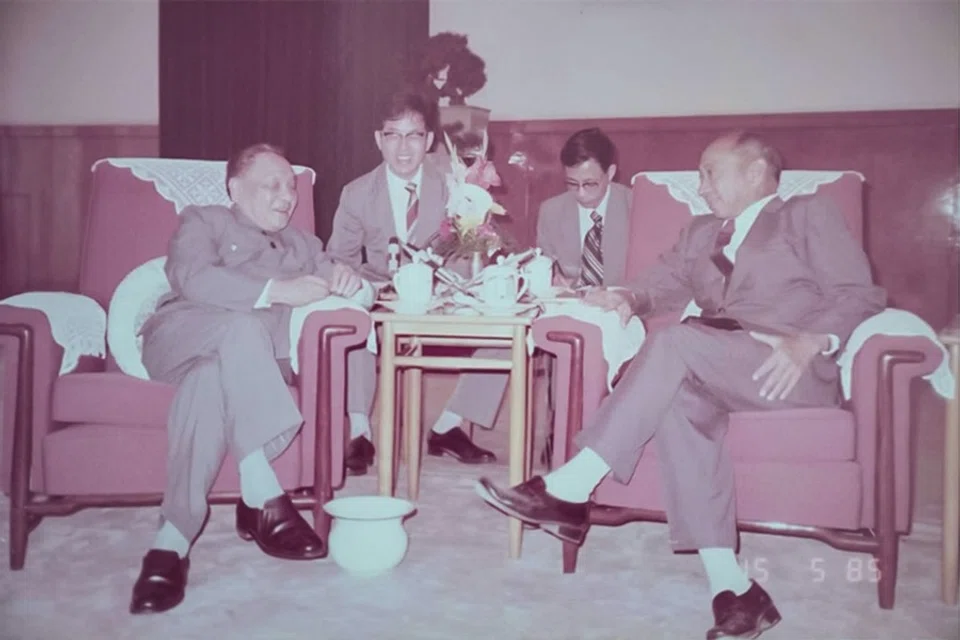
In 1985, one year after stepping down from government, Goh received an invitation from Deng Xiaoping. China was then navigating one of the most critical transitions in its modern history, moving away from rigid central planning toward reform and opening. Deng sought practical insights rather than abstract theory, making Goh a natural choice for consultation.
Over the next five years, Goh served as an adviser to Beijing. His role focused on the development of coastal economic zones and the early stages of China’s tourism industry. Drawing on Singapore’s experience, he emphasized infrastructure readiness, regulatory clarity, and gradual experimentation rather than sudden systemic shifts.
Quiet Influence During a Pivotal Period
Goh’s contribution was never highly publicized, yet it coincided with formative decisions that shaped China’s integration into the global economy. The coastal zones he advised on later became engines of growth, attracting foreign investment and accelerating industrialization. His guidance reflected a belief that openness needed structure and discipline to succeed.
This advisory relationship also symbolized a deeper exchange of ideas between Singapore and China. It demonstrated how smaller states with successful development models could exert influence through expertise rather than power.
Legacy Beyond National Borders
Goh Keng Swee’s legacy is often framed within Singapore’s rise, but his engagement with China expands that narrative. It shows how development knowledge can travel across borders and adapt to vastly different social and political contexts. His story also highlights a moment when China actively sought external perspectives to guide its reforms.
Today, as China reflects on decades of transformation, the quiet role played by foreign advisers like Goh offers insight into how global ideas shaped domestic change. His life stands as a reminder that some of the most lasting influences in history unfold not through headlines, but through thoughtful counsel behind closed doors.

