
A Province That Repeatedly Stood at the Front
Throughout China’s long history, Shandong has often emerged at moments of transition. Its geography, population, and cultural weight placed it at the center of shifts that reshaped politics, society, and ideas. Rather than following change from the margins, Shandong frequently became a testing ground where new directions first took form.
From early philosophical traditions to modern political movements, the province developed a reputation for influence that extended far beyond its borders. This historical role has made Shandong a subject of lasting interest for scholars and cultural observers seeking to understand how national change takes root at the local level.
Cultural Foundations and Historical Weight
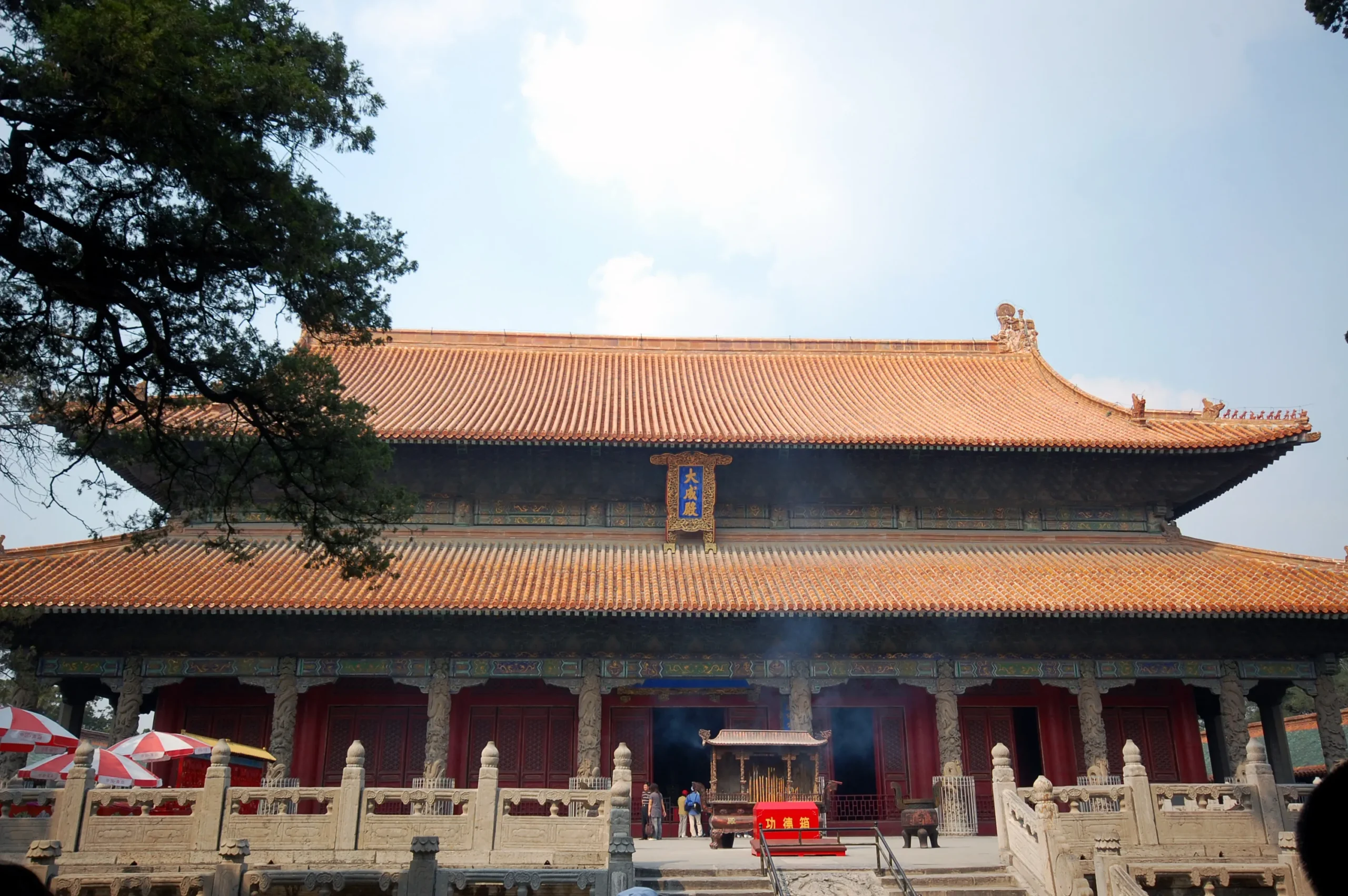
Shandong’s significance begins with culture. As the birthplace of Confucius, the province shaped ethical and social values that influenced Chinese governance for centuries. These traditions emphasized order, responsibility, and education, creating a foundation that later reforms would both draw from and challenge.
Because of this deep cultural inheritance, change in Shandong often carried symbolic meaning. When new ideas emerged here, they were seen not simply as regional experiments but as signals of broader transformation. This gave the province a unique position in China’s evolving historical narrative.
A Stage for Modern Turning Points
In the modern era, Shandong continued to occupy a strategic role. Its ports, railways, and coastal access made it an early point of contact between China and the outside world. These connections exposed local society to foreign influence, industrial practices, and political pressure earlier than many inland regions.
As a result, Shandong experienced social tension alongside innovation. Reform movements, resistance, and adaptation unfolded simultaneously. The province became a place where competing visions of China’s future collided, making it a revealing lens through which to study the complexities of modernization.
Personal Memory and Historical Discovery
For historical photo collector Hsu Chung-mao, Shandong is not only a subject of academic interest but also a place of personal significance. It was here that his first books were published in mainland China, marking an important milestone in his career.
Hsu’s work focuses on recovering overlooked experiences through visual records. In Shandong, he found a landscape rich in historical layers, where everyday life reflected broader social currents. His fond memories of publishing there are tied to the province’s openness to revisiting and reassessing its past.
Why the Shandong Model Still Matters
The idea of a Shandong model lies in its repeated ability to absorb pressure and produce adaptation. Whether through cultural continuity or institutional change, the province demonstrated how tradition and reform can coexist. This balance helps explain why Shandong often appeared at the forefront of national shifts.
Today, as China continues to navigate economic and social change, Shandong’s historical experience remains relevant. It shows that transformation is rarely sudden or uniform. Instead, it unfolds through regions willing to experiment, endure disruption, and reinterpret inherited values.
By revisiting Shandong’s past, historians and readers gain insight into how local histories shape national outcomes. The province’s trailblazing role reminds us that China’s story has always been built from the ground up, one region at a time.

