
A city admired at first sight
In the early twentieth century Qingdao left a powerful impression on many foreign visitors who encountered it for the first time. Among them was Friedrich Behme a German judge stationed in the city during the colonial period. In a 1904 German language guidebook titled Qingdao and its Surroundings he described Qingdao as the healthiest and cleanest city in China praising its sea breeze outdoor bathing areas and long term potential as a coastal destination. His words reveal not only admiration but also the early international image of Qingdao as a modern and livable city.
Photography as fascination and documentation
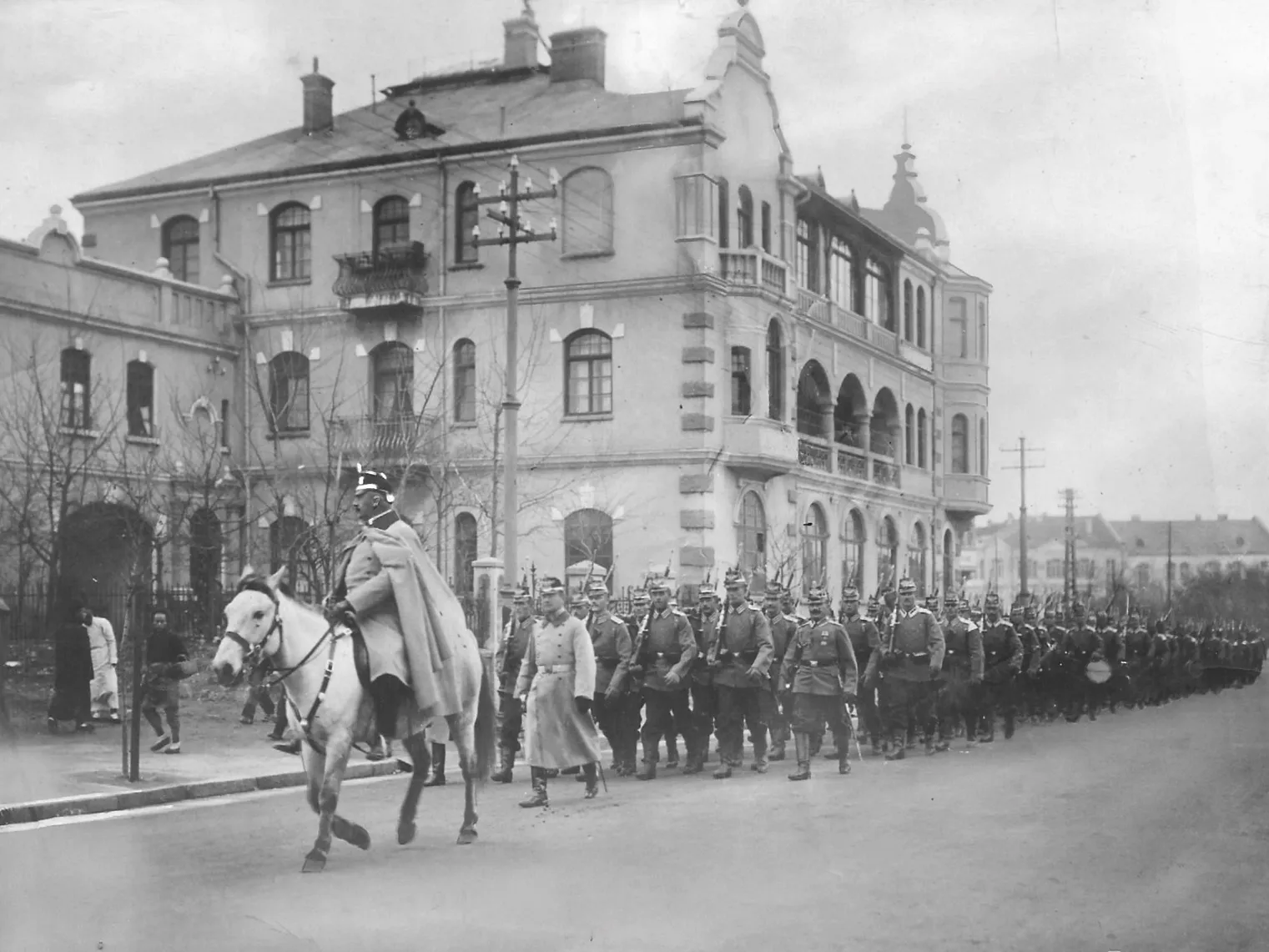
Behme’s fascination with Qingdao extended beyond writing. During his time in the city he took more than six hundred photographs capturing streets public buildings coastlines and everyday urban scenes. This body of work earned him recognition as the first person to systematically document Qingdao through photography. At a time when visual records were rare these images provided an unusually comprehensive portrait of a city in transformation.
Images that never returned home
Despite their importance Behme’s photographs did not remain accessible to the people of Qingdao. After his death his descendants sold the collection to the German Historical Museum. As a result residents of Qingdao were deprived for decades of the opportunity to view some of the earliest visual records of their own city. This loss highlights how historical memory can be shaped by ownership and geography rather than origin alone.
A broader German photographic presence
Behme was not the only German observer who documented Qingdao during this period. Many photographers working in or passing through the city recorded its streets architecture and natural scenery. These images were often created for personal interest newspapers or institutional archives. Over time they became scattered across collections museums and private holdings in Europe and beyond.
Time brings forgotten images back to light
As years passed some of these photographs gradually resurfaced. Archives were reorganized collections digitized and forgotten albums rediscovered. Together these images have helped reconstruct a more complete visual history of Qingdao’s early urban form. They reveal a city shaped by coastal geography European planning concepts and local adaptation long before its modern skyline emerged.
Seeing the city through an early lens
The rediscovered photographs allow modern viewers to see Qingdao as it once appeared. Wide streets lined with newly built structures quiet shorelines and carefully planned public spaces dominate the images. They confirm Behme’s written impressions while also offering details that text alone could not convey. Everyday scenes captured unintentionally provide insight into how residents and visitors moved through the city at the time.
Memory ownership and cultural return
The story of these photographs raises broader questions about cultural heritage and access. While the images physically reside outside China their subject remains deeply connected to Qingdao’s identity. Exhibitions publications and digital platforms now offer ways to bridge that gap allowing the city to reconnect with its visual past even when original materials are held elsewhere.
An exhibition that restores perspective
An exhibition built around these historical photographs does more than display old images. It restores perspective reminding audiences that Qingdao’s international character has deep roots. By bringing together scattered visual records it becomes possible to see how the city was imagined admired and recorded at its earliest modern stage.
A city still defined by its coastline
More than a century later Qingdao continues to be known for the same qualities Behme once praised. Clean air coastal scenery and livability remain central to its identity. Through recovered photographs and historical reflection the city’s early image is no longer distant or abstract but visible once again.

