
Reflections Stirred by a Quiet Farewell
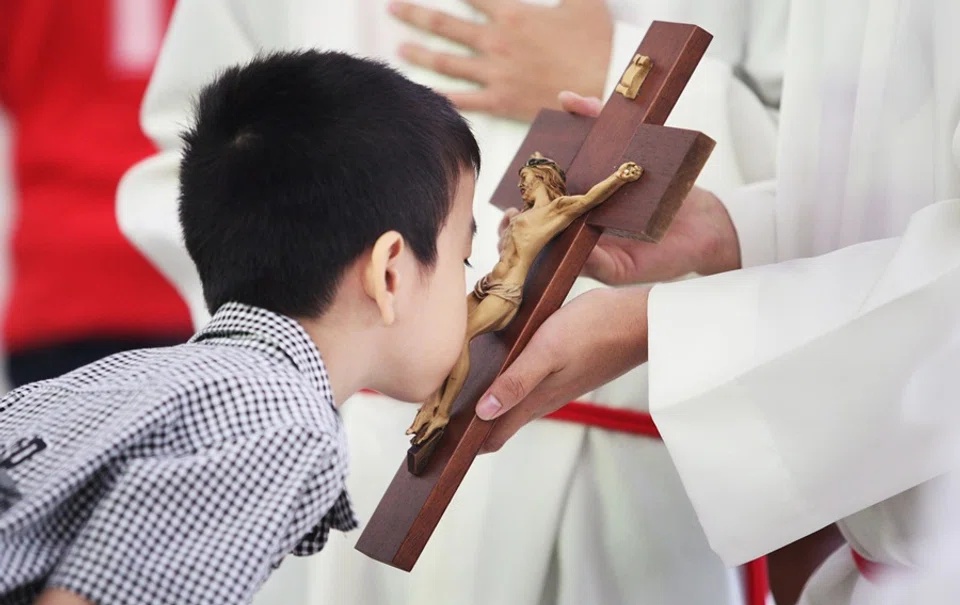
The passing of Pope Francis was not marked for me by ceremony or public mourning. It arrived softly and settled into my thoughts with unexpected weight. In that stillness memories from my own youth resurfaced memories of belief formed early and then slowly set aside. As a boy in Taiwan known to many as Thomas I once found comfort and direction in the Gospels. I was baptized with sincerity and carried my faith earnestly into adolescence. News of the Pope’s death reopened those chapters of my life and invited reflection rather than regret.
A Youth Shaped by Scripture and Belonging
In my early years faith was not abstract or distant. It was something lived through ritual reading and community. The Church offered a language for hope and an explanation for suffering that felt complete at the time. Like many young believers I accepted its teachings fully trusting that certainty itself was a virtue. Faith gave shape to my moral imagination and helped me understand compassion discipline and forgiveness as guiding principles rather than lofty ideals.
The Slow Drift Away From Certainty
Leaving the Church did not happen through rebellion or anger. It was gradual almost imperceptible. Questions accumulated quietly and answers began to feel less sufficient. Life expanded beyond the walls of belief and the world revealed complexities that doctrine alone could not resolve for me. Doubt was not an enemy but a companion that insisted on honesty. Over time distance replaced devotion and silence replaced prayer. Looking back I do not see this departure as a failure but as part of an ongoing search for meaning.
A Pope Who Lived What He Preached
What made this moment of remembrance so personal was the example set by the man we lost. His life story spoke of humility shaped by hardship. Coming from poverty and having worked among those often ignored he understood suffering not as theory but as lived experience. This grounding allowed him to approach the wounded and the rejected with genuine empathy. His actions conveyed a faith that was less about authority and more about presence.
Faith in a World of Conflict and Division
Witnessing such leadership raises difficult questions for those who once believed and those who still do. If Christ is understood as a redeemer who entered human suffering fully then the challenge today is whether that message can still speak to a fractured world. Violence inequality and hatred dominate global narratives yet the example of quiet humility suggests another path. Faith when lived as service rather than judgment may still offer a language of peace.
Remembering Without Returning
I imagine a conversation that will never happen one where I explain why I left and am met not with reproach but understanding. That imagined forgiveness mirrors the spirit of the man whose passing prompted this reflection. Remembering does not require returning nor does distance erase gratitude. Faith can remain a chapter that continues to teach even after it is no longer practiced. In that sense the boy I once was still walks beside the adult I have become.

