
As China and Russia continue to present their relationship as a durable and strategic partnership, history offers a more cautious lens through which Beijing views Moscow. From China’s perspective, relations with Russia have rarely been defined by lasting trust. Instead they have been shaped by shifting power balances and strategic calculation that transcend changes in Russia’s political system.
In Chinese political thinking history is not treated as distant background but as a practical guide for present day decision making. Chinese leaders repeatedly stress the importance of long term historical awareness and public narratives emphasize past vulnerability and the dangers of unequal partnerships. These lessons influence how China evaluates major powers today including Russia.
A central framework shaping this view is the concept known as the century of humiliation. This period stretching from the mid nineteenth century to the founding of the People’s Republic of China left deep impressions on Chinese views of sovereignty and foreign relations. While Western powers and Japan often dominate discussions of this era Russia’s role is also remembered as one of strategic exploitation rather than solidarity.
During the Second Opium War Russia positioned itself as a diplomatic intermediary while ultimately benefiting from China’s weakness. Through the Treaties of Aigun and Peking vast territories in northeastern China were transferred to Russian control giving Moscow access to the Pacific coast. The establishment of Vladivostok on these lands reinforced the perception that Russia advanced its interests even when presenting itself as a stabilizing partner.
This pattern resurfaced later in the nineteenth century following China’s defeat by Japan. Russia joined European powers in pressuring Japan to relinquish territorial gains only to secure its own concessions soon afterward. From a Chinese historical standpoint these actions reinforced the idea that Russian support often served to block rival powers rather than protect Chinese interests.
The Bolshevik Revolution initially appeared to signal a break from imperial practices. Early Soviet declarations promised to renounce unequal treaties and return seized assets. Yet as Soviet power consolidated many of these pledges were revised or delayed. In Chinese memory this episode illustrates the gap between ideological language and strategic behavior.
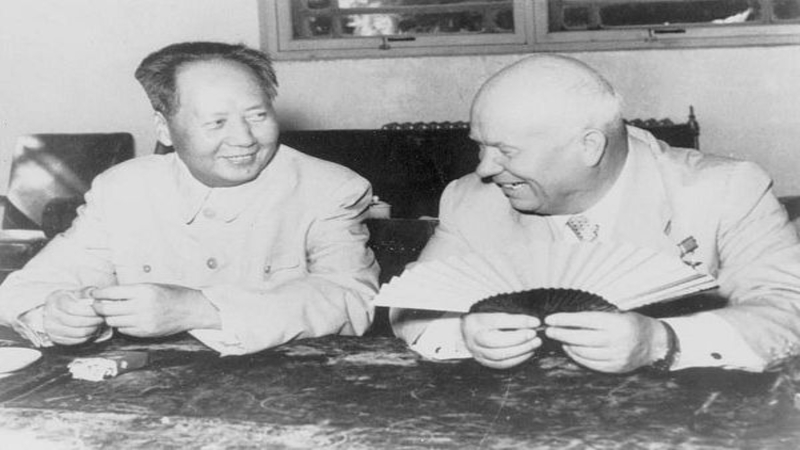
The collapse of Sino Soviet unity in the decades after Mao Zedong further cemented China’s skepticism. Despite shared socialist ideology the relationship deteriorated into rivalry and even armed confrontation along their border. These events strengthened China’s preference for strategic autonomy and its reluctance to rely on formal alliances.
Today China’s engagement with Russia reflects these accumulated lessons. Cooperation exists but remains cautious and narrowly defined. Beijing benefits from alignment with Moscow in countering Western pressure yet avoids deeper commitments. Russia’s growing economic dependence and reduced global leverage further reinforce China’s careful approach.
Viewed through history China Russia relations appear less like a partnership built on trust and more like a temporary alignment of interests. For Beijing the past suggests that rhetoric may change but strategic logic endures.

