
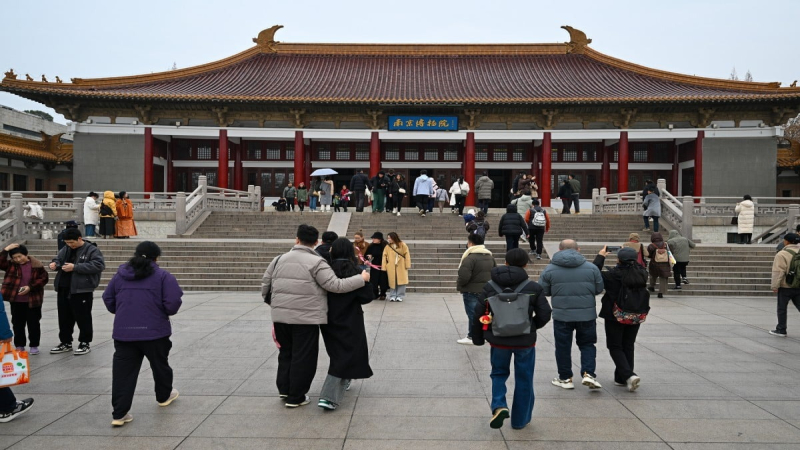
An official investigation into one of China’s most prominent state run museums has uncovered long standing administrative failures and alleged corruption that allowed valuable artworks to disappear from public collections and enter the private art market. Authorities say the findings reveal systemic weaknesses in oversight at the Nanjing Museum that persisted for decades.
The investigation was launched after public allegations emerged in late December claiming that donated paintings had been quietly sold by the museum without authorization. The case quickly drew national attention due to the institution’s status as a key guardian of cultural heritage in eastern China. Investigators focused on management practices spanning multiple leadership periods with particular scrutiny placed on the actions of a former museum director.
According to officials the inquiry involved more than 1,100 interviews and a review of approximately 65,000 archival documents. This extensive process was aimed at reconstructing historical records related to acquisitions storage transfers and internal approvals for artwork handling. Authorities concluded that weak internal controls and poor documentation created conditions in which valuable cultural assets could be mishandled with limited accountability.
The scandal centers on five paintings that were part of a larger collection of 137 works donated to the museum in 1959 by the family of renowned collector Pang Laichen. The donation was made with the explicit understanding that the artworks would be preserved by the state for public benefit. However the five paintings were discovered to be missing during a court ordered inventory check carried out in June last year following a legal request submitted by Pang’s descendants.
The issue escalated in early 2025 when one of the missing works Spring in Jiangnan by Ming dynasty painter Qiu Ying appeared in a public auction catalogue. The painting carried an estimated value of 88 million yuan drawing immediate attention from art experts and collectors. The appearance of the work raised serious questions about how a nationally significant piece could leave a state museum collection without public record.
Pang Shuling the great granddaughter of the original donor formally notified authorities after discovering the auction listing and demanded that the museum provide documentation explaining the artwork’s custody history. Following the family’s objections the auction house withdrew the painting from sale pending further investigation.
Officials say the case exposed broader institutional issues rather than isolated misconduct. Investigators identified long term lapses in inventory management unclear approval processes and insufficient separation of responsibilities within the museum’s administrative structure. These weaknesses are believed to have allowed artworks to be transferred or disposed of without effective supervision.
Cultural authorities have indicated that the findings will inform wider reforms across public museums in China. Measures under consideration include stricter inventory audits clearer donation management rules and stronger accountability mechanisms for senior administrators. The case has also reignited public debate about transparency in the management of state owned cultural institutions and the protection of historically significant artworks.

