
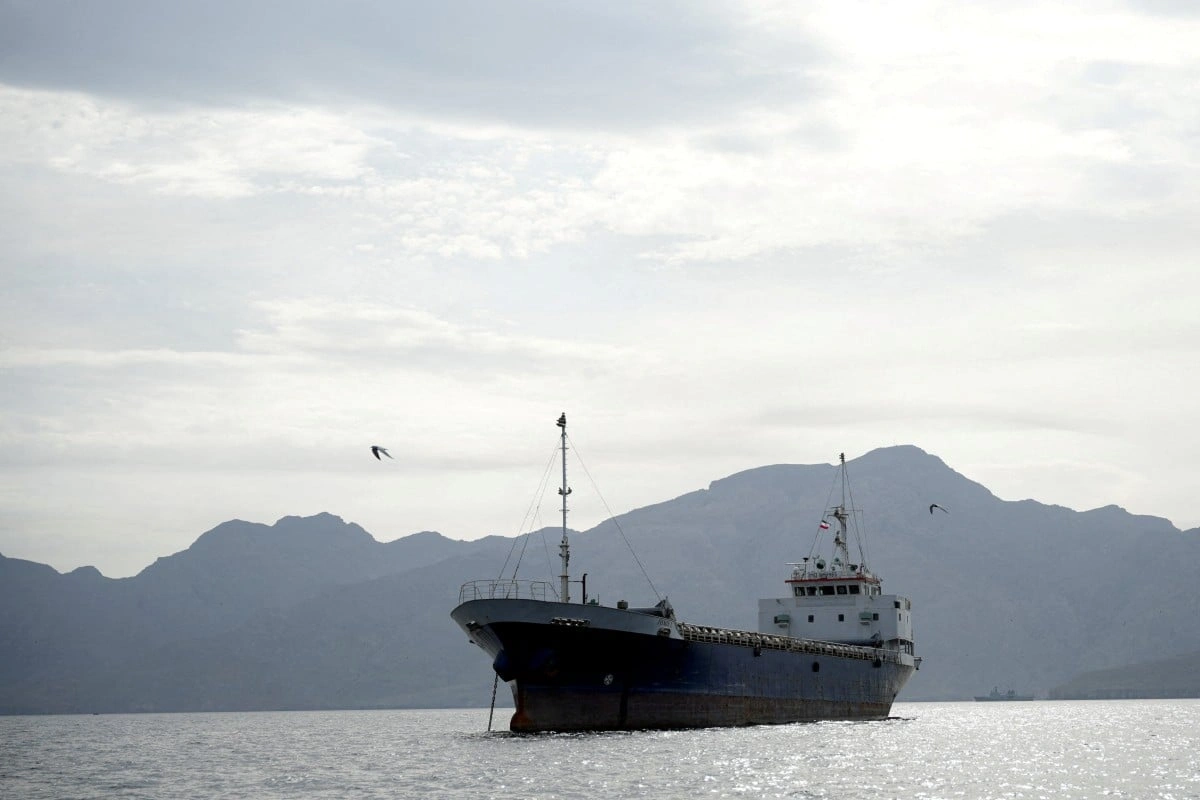
A Chinese oil tanker has reportedly retreated twice within 48 hours while attempting to navigate through the Strait of Hormuz, underscoring the growing impact of the United States’ naval blockade on global shipping. The vessel, which had departed from the United Arab Emirates, reversed course amid heightened risks linked to the ongoing Iran conflict.
The incident highlights the difficult decisions facing commercial operators from China, as companies weigh safety concerns against the need to maintain energy supply routes. Shipping traffic through Hormuz has dropped sharply from typical levels, reflecting the broader disruption caused by military activity and uncertainty in the region.
Industry analysts say the retreat signals how seriously the blockade is affecting confidence in maritime operations. Tankers carrying valuable cargo are particularly vulnerable, and operators are increasingly cautious about entering contested waters where tensions remain high and enforcement actions are ongoing.
The Strait of Hormuz is one of the world’s most critical energy chokepoints, handling a significant portion of global oil shipments. Any disruption to traffic has immediate consequences for supply chains, pricing, and energy security, particularly for major importers like China that rely heavily on stable flows of crude oil.
As the situation develops, the behavior of commercial vessels is becoming a key indicator of risk perception in the market. The repeated turnaround of the tanker reflects the broader uncertainty surrounding the blockade, with global attention focused on whether diplomatic efforts can ease tensions and restore normal shipping operations.

